How to Fit Hearing Aid Domes Properly?
On this page (3 sections)
Getting your hearing aid domes to fit just right is key for clear sound and comfort. The best way to ensure a proper fit is to choose the correct size and type of dome for your ear canal and hearing aid. A well-fitting dome means you’ll hear better and avoid annoying feedback or discomfort.
When your hearing aid domes don’t feel right, it can affect everything from sound quality to how long you can wear your devices. Many users find that focusing on a snug yet gentle seal makes a huge difference. It’s about finding that sweet spot where they stay put without causing any pressure or irritation.
- Always start with the right size dome.
- Ensure it creates a gentle seal in your ear canal.
- Avoid forcing the dome; it should fit naturally.
- Check for comfort and sound quality after fitting.
Ready to get your hearing aid domes fitting perfectly? Let’s walk through exactly how to achieve that comfortable, secure fit step by step.
Your hearing aids are only as good as their connection to your ear. That connection often comes down to the small, but mighty, hearing aid dome. Getting this piece right means better sound, more comfort, and fewer worries about your devices slipping out. Let’s get your domes fitting like they were made just for you.
Making Sure Your Hearing Aid Domes Fit Like a Glove
Achieving a perfect dome fit is all about the seal. A good seal keeps sound going where it needs to go. It also stops annoying feedback whistles. We’ll guide you through finding the right size and type.
Understanding Your Dome Options
Hearing aid domes aren’t one-size-fits-all. There are different types and sizes. This variety helps match your unique ear canal shape and hearing loss needs.
Open Domes: For a Natural Feel
Open domes are like tiny little umbrellas. They have one or two holes. These holes allow some natural sound to enter your ear. This can make things sound more natural. They are best for mild to moderate hearing loss. They don’t block your ear canal as much.
Closed Domes: For a Fuller Sound
Closed domes are solid. They have no holes. This provides a better seal against sound leakage. They are good for moderate to severe hearing loss. They also help prevent feedback. You might feel a bit more “fullness” in your ear with these.
Double and Triple Domes: Extra Security and Amplification
These domes have multiple “flaps” or layers. They offer an even better seal. They are often used for more significant hearing loss. They can help push more amplified sound into the ear. They also provide a very secure fit.
The Importance of Correct Sizing
The size of the dome is the most critical factor. Too small, and it won’t create a seal. Too large, and it will be uncomfortable. Your audiologist will usually help you pick the initial size. But sometimes, you might need to adjust.
How to Determine Your Size
Domes typically come in small, medium, and large. Some brands offer even more sizes. You might also find different lengths. Your audiologist’s office often has a sizing kit. They can help you test them out. You can also look at the packaging of your current domes. It often indicates the size. If you’re unsure, always ask your hearing healthcare professional.
What Happens If the Size is Wrong?
A dome that is too small might feel loose. It could fall out easily. You might experience whistling sounds, known as feedback. Sound quality can also suffer. It won’t deliver the amplified sound effectively. A dome that is too large can cause pain. It might feel like your ear is being pushed open too hard. Discomfort is a big sign something isn’t right.
The Step-by-Step Fitting Process
Fitting your domes should be a gentle process. Think of it like putting on a comfortable glove. You don’t want to force it. Let’s walk through it.
Step 1: Preparing Your Hearing Aid and Dome
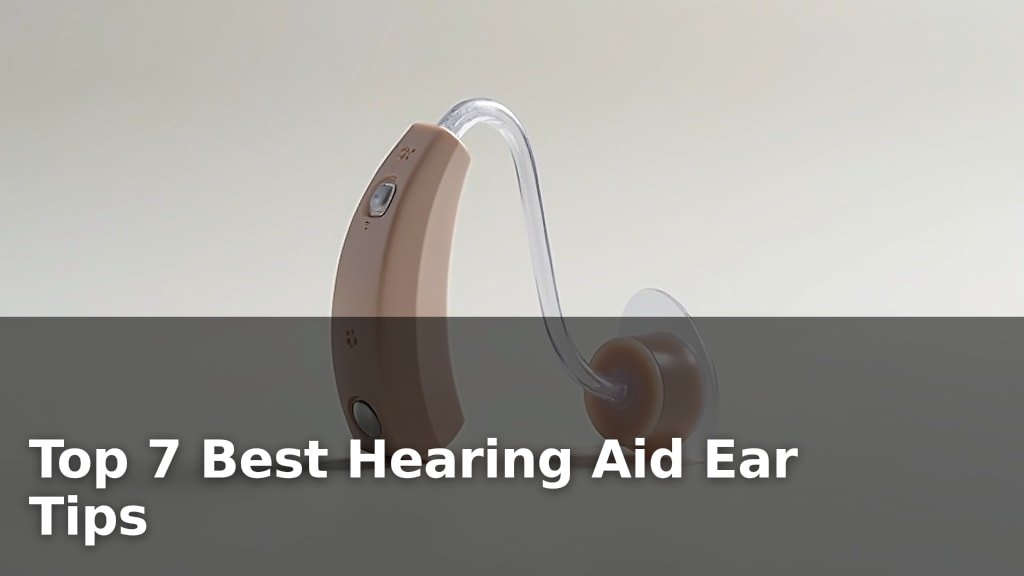
Make sure your hearing aid is off. This prevents accidental loud beeps. Gently take the old dome off the receiver wire. Some domes twist off. Others might pull straight off. Be gentle; you don’t want to damage the wire.
Step 2: Attaching the New Dome
Take your new, correctly sized dome. Align the hole on the dome with the tip of the receiver wire. Gently push the dome onto the wire. It should fit snugly. You might feel a slight click or resistance. Don’t force it. If it feels too tight, you might have the wrong size or type.
Step 3: Inserting the Dome into Your Ear
This is where comfort is key. Gently insert the dome into your ear canal. It should slide in easily. Angle it slightly as you insert. Think about following the natural curve of your ear. You want a gentle, snug seal. It shouldn’t feel like you’re jamming anything in.
Step 4: Checking the Fit and Comfort
Once inserted, wiggle it slightly. Does it feel secure? Does it stay in place when you move your jaw? Does it feel comfortable? There should be no pinching or pressure. Your ear canal might feel a little “full,” but it shouldn’t be painful. Many people find that a slightly different angle makes a big difference.
Step 5: Testing the Sound Quality
Turn your hearing aid back on. Listen to what you hear. Does the sound seem clear? Is it amplified properly? If you hear whistling or feedback, the seal might not be good. This could mean the dome is too small or not inserted correctly. If the sound is muffled, the dome might be too large or blocking too much. If you hear whistling or feedback, you may need to adjust hearing aid settings or check the dome’s seal.
Troubleshooting Common Fitting Issues
Even with the best intentions, you might run into a snag. Don’t worry; most fitting issues are fixable. Here are a few common problems and how to solve them.
The Dome Feels Too Loose or Falls Out
This usually means the dome is too small. Try a larger size. It could also be that the dome isn’t fully seated on the receiver wire. Ensure it’s pushed on all the way. Sometimes, a double or triple dome can offer more security if single domes are consistently loose.
The Dome Causes Discomfort or Pressure
A dome that’s too large is the usual culprit. Try a smaller size. Ensure you’re inserting it gently. Are you pushing it too deep into your ear? Your ear canal is sensitive. Aim for a seal at the opening, not deep inside. Some people have very sensitive ear canals. If discomfort persists, discuss it with your audiologist.
You Hear Feedback (Whistling Sounds)
Feedback often means the amplified sound is escaping your ear. This can happen if the dome isn’t creating a good seal. It might be too small. The sound might be leaking around the edges. Make sure it’s fully attached to the receiver. Also, ensure it’s inserted correctly to seal the ear canal. A closed dome or a larger size might be necessary for better sound containment.
Sound Seems Muffled or Blocked
If your hearing aid suddenly sounds muffled, your dome might be the issue. A dome that’s too large can block the ear canal. It might even be accumulating earwax. Try cleaning your dome and receiver. If that doesn’t help, a smaller dome or an open dome style might be needed. This is especially true if you were previously using an open dome and switched to a closed one.
When to Seek Professional Help
Your hearing healthcare provider is your best resource. They have the tools and experience to help. If you’re struggling to get a good fit, or if you experience persistent discomfort, don’t hesitate to call them. They can check your ear canal for any issues. They can also help you find the perfect dome style and size. They might even suggest custom earmolds if standard domes aren’t working.
Here’s a quick checklist to ensure you’ve got the perfect dome fit:
- Did you choose the right dome size (S, M, L)?
- Does the dome feel snug without pressure?
- Is the dome fully attached to the receiver wire?
- Can you move your jaw comfortably without the dome dislodging?
- Do you hear clear sound without feedback?
Conclusion
You’ve now learned how to achieve a comfortable and secure fit for your hearing aid domes. Remember, the right dome size and type are essential for clear sound and avoiding discomfort. Taking the time to fit them properly means better hearing performance and more confidence with your devices. If you experience any persistent issues or discomfort, don’t hesitate to reach out to your hearing healthcare professional. They are your best resource for fine-tuning your hearing aid experience.
Frequently Asked Questions
How do I know if my hearing aid dome is the right size?
Your dome should feel snug without causing any pressure or pain in your ear canal. You should be able to move your jaw comfortably without it feeling loose or dislodging. If it feels too tight, causes pain, or falls out easily, it’s likely the wrong size.
Can I wear hearing aid domes for sleeping?
Generally, it’s not recommended to wear hearing aids with domes while sleeping. The pressure on your ear can cause discomfort and potential irritation. Removing your hearing aids allows your ears to rest and breathe, promoting better ear health.
How often should I replace my hearing aid domes?
Hearing aid domes should typically be replaced every three to six months, or sooner if they show signs of wear. You’ll notice if they become stiff, cracked, or lose their elasticity, which can affect their sealing ability and comfort.
What is the difference between open and closed domes?
Open domes have small holes that allow some natural sound to enter your ear, offering a more natural listening experience and are good for mild to moderate hearing loss. Closed domes are solid and create a better seal, preventing sound leakage and feedback, which is often better for moderate to severe hearing loss.
Can I clean my hearing aid domes?
Yes, you can clean your hearing aid domes gently with a soft, damp cloth or a special hearing aid cleaning wipe. Avoid using harsh chemicals or soaking them, as this can damage the material. Ensure they are completely dry before reattaching them to your hearing aid. You can also learn how to clean your hearing aid domes gently with a soft, damp cloth.