Why Does My Hearing Aid Crackle?
On this page (6 sections)
Your hearing aid crackling happens because of a few common issues. It could be earwax buildup, a loose battery, or a damaged receiver. Sometimes, it’s just a sign that your hearing aid needs a good cleaning.
Understanding why your hearing aid is making that annoying noise is the first step to fixing it. This crackling can be caused by anything from simple moisture to more complex internal problems. We found that these noises often point to something needing a simple fix.
- Earwax is a common culprit for crackling.
- Loose batteries can cause intermittent sound issues.
- Moisture can also lead to crackling sounds.
- A damaged part, like the receiver, might be the cause.
- Regular maintenance helps prevent these noises.
Let’s break down the most likely reasons your hearing aid is crackling and what you can do about it.
Understanding Hearing Aid Crackling Sounds
Your hearing aid crackling might sound like tiny fireworks going off in your ear. It can be quite startling and annoying. But don’t worry, this is a common issue for many hearing aid users. We’ve found that these noises often point to something needing a simple fix.
The good news is that most of the time, the cause isn’t a major malfunction. It’s usually something related to the hearing aid’s environment or how it’s being maintained. Let’s figure out what’s causing that crackle and how you can get back to clear hearing.
The Usual Suspects: Common Causes of Hearing Aid Crackling
Earwax: The Tiny Villian
This is probably the most frequent culprit we see. Your ears naturally produce earwax to keep them clean and protected. However, this wax can sometimes build up and find its way into your hearing aid.
When earwax gets into the small tubes or the receiver of your hearing aid, it can block the sound. This blockage can cause distorted sounds, including crackling or popping. It’s like trying to listen to music through a clogged speaker.
How Earwax Affects Sound
Think of your hearing aid as a delicate instrument. The tiny microphone and speaker need a clear path for sound to travel. Earwax acts as a physical barrier. It can dampen sounds or, worse, create erratic vibrations that you hear as crackling.
What You Can Do About It
Regular cleaning is key here. Most hearing aids come with a small brush or a cleaning tool. You’ll want to gently clean the ports and the receiver. If you suspect a significant buildup, it’s best to consult your audiologist. They can perform a professional cleaning to remove stubborn wax.
Many guidelines suggest cleaning your hearing aids daily or at least every few days. This habit can prevent many common sound issues.
Moisture and Humidity’s Role
Our hearing aids are exposed to moisture more often than we might think. Sweat from your forehead, humidity in the air, or even a tiny bit of water from a rainy day can get in.
This moisture can cause similar problems to earwax. It can interfere with the electronic components. Corrosion can occur over time if moisture isn’t managed. This can lead to crackling or intermittent sound.
Protecting Your Hearing Aid from Moisture
Always remove your hearing aids before showering, swimming, or engaging in activities where you’ll sweat a lot. When you’re not wearing them, store them in a dry, safe place. A dehumidifier box designed for hearing aids can be very helpful. A hearing aid dehumidifier can be very helpful in preventing moisture-related issues.
If your hearing aid gets wet, don’t try to turn it on or use a hairdryer. Gently wipe it down with a soft, dry cloth. Let it air dry completely. Some experts recommend placing it in a sealed container with a silica gel packet overnight.
Battery Issues: The Power Problem
A loose battery or a battery that’s running low can also cause your hearing aid to crackle. When the battery connection isn’t secure, the power supply to the hearing aid becomes inconsistent.
This inconsistency can lead to the sound cutting in and out or producing crackling noises. It’s like a flickering light bulb. The power isn’t steady, so the output isn’t steady either.
Checking Your Batteries
First, ensure the battery is properly seated in its compartment. Sometimes, just re-inserting it firmly can solve the problem. If your hearing aid uses disposable batteries, try replacing them with a fresh set.
For rechargeable hearing aids, ensure they are fully charged. A low battery can behave erratically. If the crackling persists after checking or replacing the battery, the issue might lie elsewhere.
Physical Damage: When Parts Break
Hearing aids are small and can be prone to damage if dropped or mishandled. The most common components to be affected are the receiver or the tubing.
The receiver is the part that actually produces the sound. If it’s damaged, you might hear crackling, buzzing, or no sound at all. Similarly, if the tubing (for behind-the-ear models) is cracked or kinked, it can distort the sound.
Identifying Physical Damage
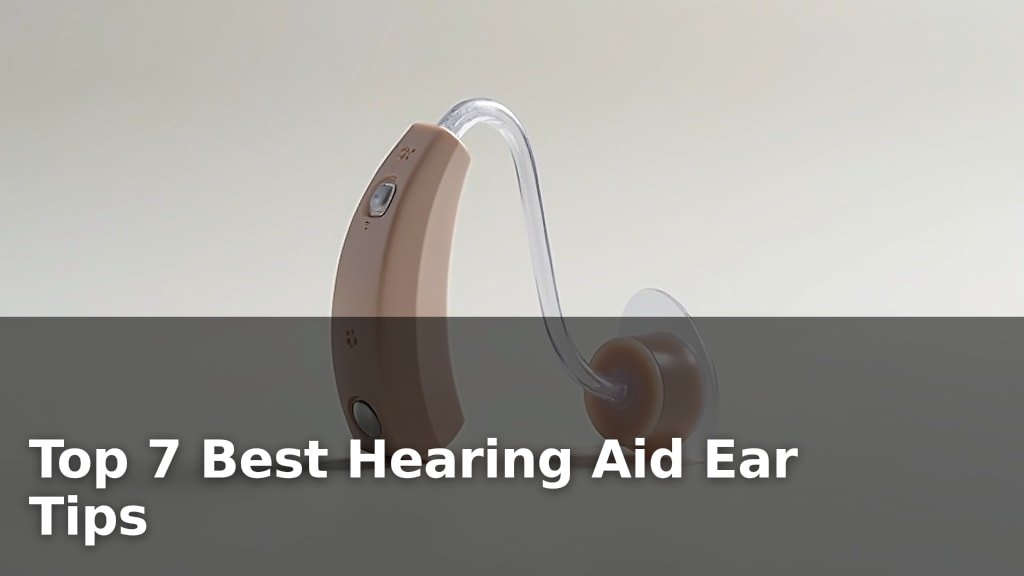
Visually inspect your hearing aid. Look for any obvious cracks, breaks, or signs of wear and tear. For behind-the-ear models, check the thin tubing that runs from the earmold to the main unit. Is it stiff, brittle, or showing any damage?
If you suspect physical damage, especially to the receiver, it’s crucial to contact your audiologist. They have the tools and expertise to diagnose and repair or replace damaged parts. Attempting repairs yourself can void warranties and cause further damage.
When to Seek Professional Help
While many crackling issues can be resolved with simple cleaning and maintenance, some problems require an expert’s touch. If you’ve tried the basic troubleshooting steps and the crackling continues, it’s time to call in the pros.
Signs It’s Time for an Audiologist Visit
You should schedule an appointment if:
- The crackling is constant and doesn’t go away after cleaning or battery checks.
- You suspect physical damage to the hearing aid.
- You’re experiencing other sound issues like distortion, buzzing, or no sound at all.
- You’re uncomfortable performing cleaning or maintenance yourself.
Your audiologist is your best resource. They can perform diagnostic tests on your hearing aid. They can also check your ear canals for blockages. Many hearing clinics offer quick check-ups for minor issues.
Understanding Hearing Aid Maintenance
Preventing these crackling sounds often comes down to a good maintenance routine. We found that consistent care can extend the life of your hearing aid and ensure optimal performance.
Here’s a quick checklist for keeping your hearing aids in top shape:
- Daily Cleaning: Wipe down your hearing aids with a soft, dry cloth.
- Weekly Wax Check: Inspect and clean the earwax filters or ports.
- Battery Care: Ensure batteries are fresh and properly inserted or fully charged.
- Moisture Protection: Store hearing aids in a dry environment away from humidity.
- Regular Check-ups: Visit your audiologist for professional cleanings and check-ups.
A little bit of regular attention can go a long way. It helps ensure your hearing aids deliver clear, crisp sound every day.
Troubleshooting Quick Guide
Here’s a quick way to tackle that crackle:
| Problem Area | What to Check | Potential Solution |
|---|---|---|
| Sound Distortion | Earwax buildup in receiver or tubing. | Clean receiver/tubing. Consult audiologist if needed. |
| Intermittent Crackle | Loose battery connection or low battery. | Reseat battery. Replace with a fresh one or recharge. |
| Sudden Crackling | Moisture in the hearing aid. | Dry the hearing aid completely. Use a dehumidifier. |
| Consistent Crackle | Physical damage to receiver or tubing. | Contact your audiologist for inspection and repair. |
Remember, your hearing is precious. Keeping your hearing aids in good working order is essential for enjoying all the sounds around you. Don’t let a little crackle stop you from hearing the world clearly.
Conclusion
Your hearing aid crackle might be frustrating, but often it’s a simple fix. We’ve seen that earwax, moisture, and battery issues are the most common culprits. Even physical damage can cause these noises. By performing regular cleaning and maintenance, you can prevent many problems.
Remember to check your hearing aid for visible dirt or damage. If you’ve tried basic fixes and the crackling continues, don’t hesitate to reach out. Your audiologist is your best resource for expert advice and repairs. Taking these steps ensures you get back to enjoying clear, crisp sound.
Frequently Asked Questions
How often should I clean my hearing aids?
We recommend a quick wipe-down daily with a soft cloth. A more thorough cleaning of ports and receivers should be done at least weekly. This regular care helps prevent earwax and moisture buildup that can cause crackling.
Can water damage my hearing aid and cause crackling?
Yes, moisture is a common cause of crackling. Sweat and humidity can affect the delicate electronics. Always remove your hearing aids before water activities and store them in a dry place.
What if I think my hearing aid is physically damaged?
If you suspect a crack, break, or damage to parts like the receiver, contact your audiologist immediately. Attempting repairs yourself can cause more harm. They have the tools to properly diagnose and fix or replace damaged components.
My hearing aid crackles only sometimes. What could that be?
Intermittent crackling often points to a loose battery connection or a battery that’s running low. Try reseating the battery firmly or replacing it with a fresh one. For rechargeable models, ensure they are fully charged.
Is there anything I can do for crackling if I’m not near my audiologist?
Start with simple checks. Gently clean any visible earwax from the ports and receiver. Ensure the battery is properly seated or try a new one. If it’s a behind-the-ear model, check the tubing for kinks or damage.