Are Cheap Hearing Amplifiers Dangerous?
On this page (9 sections)
- Understanding Cheap Hearing Amplifiers: Are They Safe and Effective?
- What Exactly is a Hearing Amplifier?
- Potential Downsides of Cheap Hearing Amplifiers
- When Might an Amplifier Be Okay?
- Key Features to Look For (If You Must Consider an Amplifier)
- When to Seek Professional Advice Instead
- The Bottom Line on Cheap Amplifiers
- Conclusion
- Frequently Asked Questions
No, cheap hearing amplifiers are generally not dangerous, but they often don’t work very well and can even cause more harm than good if misused. While they might seem like a budget-friendly option to improve hearing, many lack proper quality control and can produce distorted sounds or make speech harder to understand. It’s important to understand their limitations.
Many people wonder if these devices offer real help for hearing loss. We found that while some might provide a slight boost, they typically don’t offer the targeted sound or clarity that a prescription hearing aid does. Think of them more as simple volume boosters than sophisticated hearing solutions. This can lead to frustration and missed conversations.
- Cheap hearing amplifiers aren’t typically dangerous.
- They often provide little to no real hearing improvement.
- They can sometimes make hearing worse or cause discomfort.
- Quality and safety features vary greatly.
- Professional advice is usually best.
So, let’s dive into what you really need to know about these affordable devices and whether they are the right choice for your hearing needs.
Understanding Cheap Hearing Amplifiers: Are They Safe and Effective?
You might be wondering if those low-cost devices you see online are a good solution for your hearing. It’s a common question. While the idea of saving money is appealing, it’s important to understand what you’re getting. We found that most cheap hearing amplifiers are not inherently dangerous, but they often fall short in performance and can sometimes lead to frustration.
The primary concern isn’t usually immediate physical harm. Instead, the danger lies more in disappointment and potentially delaying proper care. These devices are generally not regulated like medical devices. This means quality can vary wildly from one product to the next. You might get a device that works okay for a short while, or you might get something that’s barely functional.
What Exactly is a Hearing Amplifier?
It’s helpful to know the difference between hearing amplifiers and actual hearing aids. Think of a hearing amplifier as a simple volume knob for sound. It boosts all sounds equally. A hearing aid, on the other hand, is a sophisticated medical device. It’s programmed by a professional to target specific sound frequencies you have trouble with. They are designed to improve clarity, not just loudness.
The Difference Between Amplifiers and Hearing Aids
Many people confuse the two. A hearing amplifier is like wearing sunglasses that make everything darker. A hearing aid is like prescription glasses that correct your specific vision problems. They target specific sounds, like speech, and reduce background noise. This makes a huge difference in understanding conversations.
Research shows that untreated hearing loss can lead to other issues, such as social isolation and even cognitive decline (National Institute on Aging). Because amplifiers aren’t as precise, they might not offer the targeted help needed to truly improve communication and connection.
How Amplifiers Work (Simply Put)
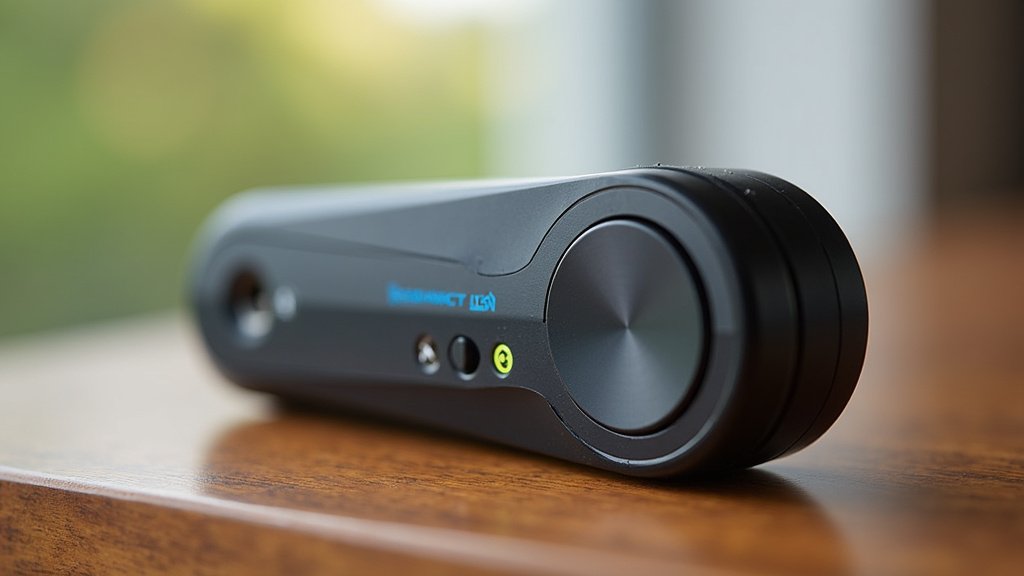
Basically, a hearing amplifier picks up sound with a microphone. It then makes that sound louder using an internal electronic circuit. This amplified sound is then delivered to your ear, typically through an earpiece or a tube. There’s usually a dial or buttons to adjust the volume up or down.
This process sounds straightforward, but the quality of components makes a big difference. Cheap amplifiers might use low-quality microphones and speakers. This can result in distorted, tinny, or harsh sounds. It’s like listening to music through a cheap speaker – it just doesn’t sound right.
Potential Downsides of Cheap Hearing Amplifiers
While not usually dangerous in a medical sense, these devices come with several potential problems. The biggest issue is that they might not actually help your hearing loss as much as you’d hope. They can even make things more difficult.
1. Poor Sound Quality and Distortion
This is a very common complaint. Cheap amplifiers often produce unpleasant, distorted sound. Imagine trying to listen to a favorite song, but it sounds crackly and warped. That’s what conversations can sound like if the amplifier isn’t well-made. This distortion can make speech harder to understand, not easier.
We found that many users report that speech sounds muffled or like “nonsense.” This is because the amplifier boosts all sounds, including background noise, which then gets mixed with speech. It’s like trying to hear someone whisper in a crowded, noisy room. The added noise from the amplifier can actually mask important sounds.
2. Lack of Customization and Targeting
Hearing loss is unique to each person. Your specific needs for amplification are different. Cheap amplifiers offer no customization. They simply turn up the volume for everyone and everything. This lack of targeting means they can’t address the specific frequencies where your hearing is weakest.
For example, if you struggle to hear high-pitched sounds like ‘s’ or ‘f’, a good hearing aid would boost those specific frequencies. A cheap amplifier will boost everything, including the low rumbles you can already hear. This can lead to an uneven and unhelpful sound profile.
3. Risk of Over-Amplification and Discomfort
While uncommon with truly cheap devices, there’s a theoretical risk of some amplifiers being able to produce sounds that are too loud. This can cause discomfort or even pain. More often, though, the issue is that the amplified sound quality is so poor, it’s simply unpleasant to listen to for extended periods. This can lead to you taking the device off and not using it.
Think about a constant loud hum or buzzing noise. Even if it’s not physically damaging, it’s incredibly annoying. Many users of cheap amplifiers report similar experiences, making them abandon the device quickly. This defeats the purpose of trying to improve your hearing.
4. False Sense of Security and Delayed Treatment
Perhaps the most significant “danger” of cheap hearing amplifiers is the false sense of security they can provide. Someone might buy one, think they’ve solved their hearing problem on the cheap, and then delay seeing a doctor or audiologist. Untreated hearing loss can have serious consequences.
Studies have linked hearing loss to increased risks of falls, depression, anxiety, and even dementia (JAMA Internal Medicine). By relying on an ineffective amplifier, you might be missing out on the opportunity for proper diagnosis and treatment. This delay could allow your hearing loss to worsen or miss the chance for more effective interventions.
When Might an Amplifier Be Okay?
It’s not always a complete write-off. There are specific, limited situations where a hearing amplifier might offer a minor benefit. These are usually for very mild hearing difficulties or for specific, short-term situations.
Situations with Limited Usefulness
- Very Mild Hearing Loss: If your hearing loss is very slight and you only need a small boost in quiet environments.
- Specific Situations: For instance, perhaps you want to hear the TV a little louder in a quiet room.
- Temporary Solution: As a very short-term, temporary measure while you wait for a proper hearing assessment.
Even in these cases, it’s crucial to manage expectations. You are unlikely to get clear, crisp sound or the ability to understand conversations in noisy places. You’re simply turning up the volume on everything.
Key Features to Look For (If You Must Consider an Amplifier)
If you’ve weighed the pros and cons and are still considering an amplifier, there are a few things that might make one slightly better than another. However, please remember these are still not medical devices.
| Feature | What to Look For | Why It Matters |
|---|---|---|
| Noise Reduction | Look for claims of background noise reduction. | Helps filter out distracting sounds. |
| Feedback Cancellation | Some mention of reducing whistling or feedback. | Prevents annoying squealing sounds. |
| Adjustable Settings | Multiple volume levels or tone controls. | Allows some basic tweaking of sound. |
| Battery Life | Longer battery life or rechargeable options. | More convenient for daily use. |
| Comfortable Fit | Different ear tip sizes included. | Ensures it stays in place and is comfortable. |
However, we found that even with these features, the core technology in cheap amplifiers is often limited. They simply can’t compete with the advanced processing found in medical-grade hearing aids.
When to Seek Professional Advice Instead
The best course of action for hearing difficulties is almost always to consult a healthcare professional. An audiologist or an ENT (Ear, Nose, and Throat) doctor can accurately diagnose the cause and degree of your hearing loss.
They can perform detailed hearing tests and discuss treatment options tailored specifically to you. This might include prescription hearing aids, assistive listening devices, or medical treatments. Getting a professional opinion ensures you’re addressing your hearing needs effectively and safely.
Think of it this way: if you had blurry vision, you’d see an optometrist, right? You wouldn’t just buy the cheapest pair of magnifying glasses you could find online and hope for the best. Your hearing deserves the same level of professional care.
What to Expect from a Professional Consultation
During a consultation, you can expect a thorough hearing evaluation. The audiologist will likely:
- Ask about your medical history and symptoms.
- Conduct several types of hearing tests.
- Discuss the results with you in clear terms.
- Explain your options, which may include hearing aids.
- Fit and program hearing aids if necessary.
This process ensures you get a device that is specifically calibrated for your unique hearing profile. It’s an investment in your communication and overall well-being.
The Bottom Line on Cheap Amplifiers
Are cheap hearing amplifiers dangerous? Not usually in a way that will cause immediate physical harm. But are they an effective, safe, or recommended solution for hearing loss? Generally, no.
They often provide poor sound quality, lack necessary customization, and can lead to frustration. Most importantly, they might delay you from seeking proper medical advice and treatment for your hearing. We found that for most people experiencing hearing difficulties, investing in a professional consultation and appropriate hearing solutions is the wisest path forward.
Conclusion
So, to wrap things up, while cheap hearing amplifiers aren’t typically dangerous in a way that will cause immediate harm, they often fall short of providing real hearing help. You might find their sound quality poor, lacking the clarity needed for conversations. More importantly, relying on these devices could delay you from getting the professional diagnosis and treatment your hearing deserves. Your hearing is too important to risk with a device that might not work and could postpone better solutions. We found that the best next step is to consult with an audiologist for a proper evaluation.
Frequently Asked Questions
Can cheap hearing amplifiers damage my hearing?
Direct physical damage from most cheap hearing amplifiers is rare. However, poor sound quality and distortion can make speech harder to understand. Over-amplification, though uncommon with inexpensive models, could theoretically cause discomfort.
Are over-the-counter (OTC) hearing aids the same as cheap amplifiers?
Not necessarily. While some OTC hearing aids are also budget-friendly, they are regulated medical devices. They aim to offer more consistent quality and performance than unregulated amplifiers, though they still may not be as precise as prescription hearing aids.
How do I know if I have hearing loss that needs professional attention?
If you often ask people to repeat themselves, struggle to hear in noisy places, or find yourself turning up the TV volume much higher than others, it’s a good sign to seek professional advice. These are common indicators of hearing loss.
What’s the biggest risk of using a cheap hearing amplifier instead of seeing a doctor?
The main risk is delaying proper treatment. Untreated hearing loss can be linked to other health issues. Relying on an ineffective amplifier might make you feel like your hearing is “fixed,” when in reality, your underlying condition could be worsening.
Where can I find a professional to help with my hearing issues?
You should look for a licensed audiologist or an ENT (Ear, Nose, and Throat) doctor. These professionals are trained to diagnose hearing loss accurately and can recommend the most appropriate solutions for your specific needs, which may include prescription hearing aids.