Can Wearing a Hearing Amplifier Too Loud Damage Hearing?
On this page (5 sections)
Yes, wearing a hearing amplifier at a volume that is too loud can absolutely damage your hearing. See more on hearing amplifier safety. Just like listening to music through headphones at a high volume, overusing a hearing amplifier at excessive levels can cause irreversible harm to your sensitive ear structures. It’s vital to use them safely.
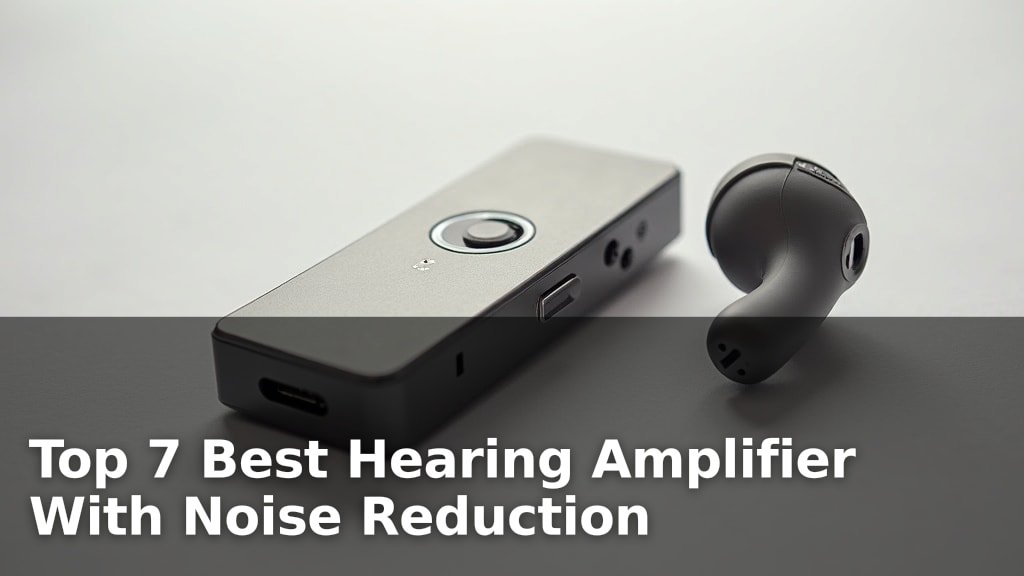
Many people think hearing amplifiers are the same as hearing aids, but they’re actually quite different. Amplifiers boost all sounds, while hearing aids are programmed for your specific hearing loss. Using an amplifier too loudly can be especially risky because it’s not fine-tuned to your ears. This could lead to conditions like tinnitus or even further hearing loss.
- Hearing amplifiers, when used too loudly, can damage your hearing.
- This damage can be permanent and include conditions like tinnitus.
- Hearing amplifiers boost all sounds, unlike hearing aids.
- Always follow usage guidelines for safe listening.
- Proper use is key to enjoying enhanced hearing without harm.
Let’s walk through exactly what happens when a hearing amplifier is too loud and how you can avoid damaging your hearing.
The Risks of Over-Amplifying Your Sound
So, can wearing a hearing amplifier too loud actually hurt your ears? The straightforward answer is yes, absolutely. Think of your ears like delicate microphones. When you push them too hard, you can cause damage that doesn’t go away.
It’s like turning the volume knob up on your stereo way past what’s comfortable. Your eardrums and the tiny structures inside your ears aren’t designed for constant, extreme sound pressure. Overdoing it with an amplifier can lead to some unwelcome and permanent changes.
How Loud is Too Loud? Understanding Decibels
We measure sound loudness in decibels (dB). Normal conversation is around 60 dB. A busy street might be 80 dB. Listening to music through headphones at a high volume can easily reach 100 dB or more. For reference, the CDC suggests that prolonged exposure to sounds above 85 dB can start to cause hearing damage.
Hearing amplifiers can boost sounds significantly. If you crank the volume up too high, you could be exposing your ears to levels that are dangerously loud. It’s not just about feeling uncomfortable; it’s about causing physical harm to your inner ear.
The Danger Zone for Your Ears
What’s considered the danger zone? Exposure to sounds at 100 dB for more than 15 minutes can cause damage. If the sound reaches 110 dB, you might only have a minute or two before harm occurs. At 120 dB and above, you’re in immediate danger of hearing loss.
Since amplifiers boost sound, it’s easy to accidentally push those levels into the danger zone. You might not even realize how loud it is until damage has already started. This is why understanding the settings and being cautious is so important.
What Kind of Damage Can Happen?
When your ears are exposed to excessively loud sounds, the tiny hair cells in your inner ear can get damaged or destroyed. These cells are responsible for sending sound signals to your brain. Once they’re gone, they don’t grow back.
This can lead to several issues. The most common is noise-induced hearing loss. You might notice difficulty understanding speech, especially in noisy environments. You might also experience tinnitus, which is a persistent ringing or buzzing sound in your ears that only you can hear.
Noise-Induced Hearing Loss (NIHL) Explained
NIHL happens gradually with repeated exposure to loud noise. It can also occur from a single, extremely loud event, like an explosion. With hearing amplifiers, it’s usually the gradual damage from consistent overuse that’s the concern.
The damage is often most noticeable at higher frequencies first. This means you might have trouble hearing consonants like ‘s’, ‘f’, or ‘th’. This makes words sound muddled, even if the volume seems okay to you.
Tinnitus: The Unwanted Sound
Tinnitus is a common complaint for people exposed to loud noises. It’s not a disease itself, but a symptom of an underlying issue, often damage to the cochlear hair cells. For some, it’s a mild annoyance. For others, it can be debilitating.
Wearing an amplifier too loud can exacerbate existing tinnitus or even trigger it in the first place. It’s like irritating an already sensitive part of your ear. If you notice ringing after using your amplifier, it’s a sign you need to turn the volume down.
Hearing Amplifiers vs. Hearing Aids: A Crucial Distinction
It’s vital to understand that hearing amplifiers are not the same as hearing aids. This difference is key to understanding the risks. Hearing aids are custom-programmed medical devices. They are designed to address your specific hearing loss profile.
Audiologists measure your hearing and adjust the hearing aid to boost only the frequencies you struggle with. They are calibrated to safe listening levels for your unique ears. Amplifiers, on the other hand, simply boost all sounds. They don’t differentiate between what you need to hear and what could be harmful.
The “One Size Fits All” Problem of Amplifiers
Because amplifiers boost everything, they can easily push sounds into damaging territory. If you have mild hearing loss and use an amplifier set too high, you’re not just boosting the quiet sounds; you’re also making already loud sounds even louder. This is where the real danger lies.
Many people use amplifiers for convenience or because they perceive them as a cheaper alternative to hearing aids. However, this convenience comes with a significant risk if not managed carefully. You’re essentially using a blunt tool when a precision instrument is needed.
Why Untreated Hearing Loss is Also a Risk
While we’re talking about the risks of loud amplifiers, it’s also worth noting that not addressing hearing loss can be a problem too. When you can’t hear well, you might naturally turn up the volume on TVs or radios, potentially causing harm to yourself and others around you.
Furthermore, untreated hearing loss is linked to other health issues like increased risk of falls, social isolation, and cognitive decline (Johns Hopkins Medicine). So, while you want to be careful with amplification, seeking appropriate solutions for hearing issues is important for your overall health.
How to Use Your Hearing Amplifier Safely
The good news is you can enjoy the benefits of a hearing amplifier without risking your hearing. It all comes down to using it wisely and being mindful of the volume. Your hearing is precious, so let’s treat it that way.
Here’s a simple checklist to help you stay on the safe side:
- Always start with the volume at its lowest setting.
- Gradually increase the volume until sounds are clear but comfortable.
- If you experience any discomfort or ringing, turn the volume down immediately.
- Take breaks from wearing the amplifier throughout the day.
- Avoid using it in very noisy environments if possible, or keep the volume very low.
- Consult an audiologist if you’re unsure about your hearing or the best device for you.
Finding the Right Volume Setting
The goal of an amplifier is to make sounds audible and clearer, not to blast your ears. When you first put it on, it should sound like a slightly louder version of normal hearing, not an overwhelming roar. If it feels like you’re at a rock concert, it’s definitely too loud.
Pay attention to how your ears feel. Listen for any strain, pressure, or discomfort. If you feel any of these, lower the volume. Your brain will tell you when it’s too much if you listen closely.
When to Seek Professional Advice
If you’re unsure whether an amplifier is the right choice for you, or if you’re experiencing persistent hearing issues, it’s always best to see a professional. An audiologist can perform a hearing test and discuss your options.
They can help you understand the severity of your hearing loss and recommend whether a hearing aid, a specialized amplifier, or another solution might be best. Don’t guess when it comes to your hearing health; get expert advice. It could save you from future problems.
Conclusion
You’ve learned that wearing a hearing amplifier too loud poses a real risk to your hearing. Just like any audio device, the volume knob is your responsibility. Over-amplifying can lead to permanent damage like noise-induced hearing loss or tinnitus. Remember, amplifiers boost all sounds, making them different from custom-programmed hearing aids. Your hearing is precious. Always start with the lowest volume, gradually increasing it only until sounds are clear and comfortable. If you experience discomfort, turn it down. For personalized advice, consult an audiologist to ensure you’re using the best device safely for your hearing needs.
Frequently Asked Questions
Can a hearing amplifier cause permanent hearing loss?
Yes, if you consistently use a hearing amplifier at excessively loud volumes, it can cause permanent damage. This damage often affects the delicate hair cells in your inner ear, which do not regenerate.
How do I know if my hearing amplifier is too loud?
If sounds are causing discomfort, pressure, or a ringing sensation in your ears, your amplifier is likely too loud. You should be able to hear clearly without any strain or pain; if it sounds like a concert, turn it down.
Are hearing amplifiers safe to use every day?
Hearing amplifiers can be safe for daily use when operated responsibly. The key is to maintain safe listening levels, take breaks, and avoid using them in already very noisy environments at high volumes.
What is the difference between hearing amplifiers and hearing aids regarding safety?
Hearing aids are custom-fitted and programmed by audiologists to address specific hearing loss, usually at safe levels. Amplifiers boost all sounds indiscriminately, increasing the risk of over-amplification if not used cautiously.
Should I see a doctor if I think my hearing amplifier is too loud?
If you suspect your amplifier is too loud or are experiencing any ear discomfort or ringing, it’s a good idea to consult an audiologist. They can assess your hearing and advise on safe usage or alternative devices.