Can You Use Hearing Aids with a Landline Captioned Phone?
On this page (3 sections)
Yes, you absolutely can use hearing aids with a landline captioned phone! Many people find this combination incredibly helpful. You don’t have to choose one or the other to improve your phone conversations.
This setup can significantly improve your phone experience. It helps you hear better and read what’s being said. We found that pairing your hearing aids with a captioned phone offers double the support.
TL;DR:
- Hearing aids work well with captioned phones.
- You get both audio and text to follow conversations.
- Different connection methods are available.
- Settings adjustments might be needed for best results.
- This combination can greatly boost your confidence on the phone.
Let’s walk through exactly how this works and what you need to know to get the most out of your setup. We’ll explore the various ways to connect and optimize your devices.
Combining Hearing Aids with Captioned Landline Phones
You might be wondering how these two helpful tools work together. The good news is they are designed to be compatible. This combination creates a powerful system for better phone conversations. It gives you both amplified sound and a real-time text display of what’s being said.
Understanding How Captioned Phones Work
First, let’s quickly review captioned phones. These are special landline phones that display text of your conversation. A service transcribes the other person’s words as they speak. This text then appears on a screen on your phone. It’s like having subtitles for your phone calls.
The Role of the Captioning Service
When you use a captioned phone, your call goes through a captioning service. This service uses speech-to-text technology. Sometimes a human operator might help ensure accuracy. This process happens very quickly, so the captions appear almost instantly.
The service is generally free for individuals with hearing loss. This is often thanks to programs supported by the FCC (Federal Communications Commission) in the US.
Integrating Your Hearing Aids
Now, how do your hearing aids fit into this picture? Your hearing aids enhance the audio part of the call. This means you hear the speaker’s voice more clearly. The captioned phone provides the visual text. Together, they offer a complete solution.
Common Connection Methods
There are several ways your hearing aids can connect with a captioned phone. The best method depends on your specific hearing aid features and the phone itself. We found that most people use one of these three main approaches:
- Acoustic Coupling: This is the simplest method. You hold the phone receiver to your ear as you normally would. Your hearing aids pick up the sound directly from the phone’s speaker.
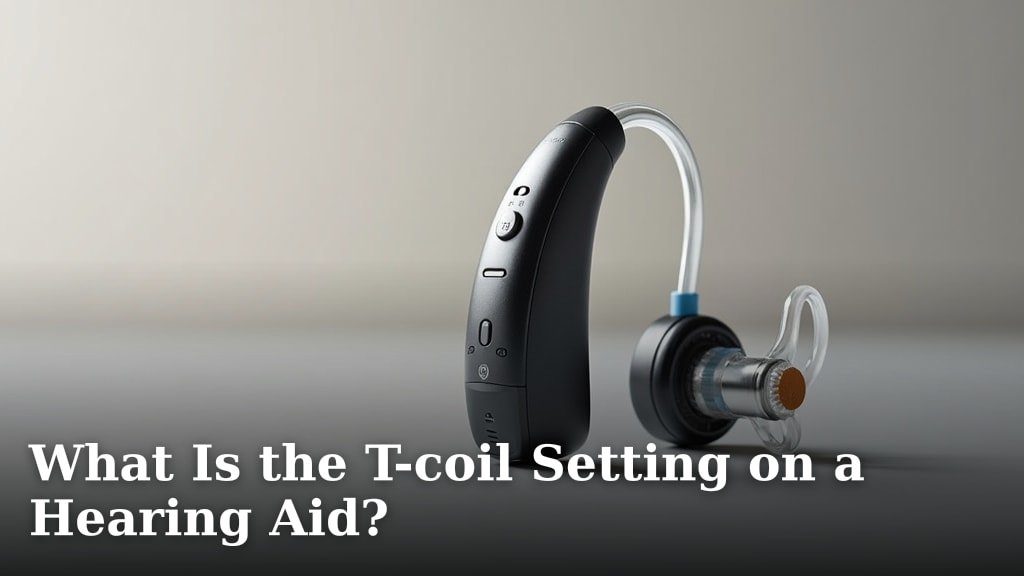
- Telecoil (T-Coil) Technology: Many hearing aids have a built-in telecoil. This small copper coil picks up electromagnetic signals. Some captioned phones are telecoil-compatible. When activated, the telecoil bypasses the hearing aid’s microphone. It sends sound directly into your hearing aids, reducing background noise.
- Bluetooth Connectivity: Newer hearing aids and captioned phones might offer Bluetooth. This creates a wireless connection between your devices. Audio streams directly from the phone to your hearing aids. This provides clear sound without interference.
Optimizing Your Setup for Best Results
Getting the most out of your combined system might require some adjustments. Don’t worry, it’s usually quite simple. A little fine-tuning can make a big difference.
Adjusting Hearing Aid Settings
Your audiologist can help you create a specific program for phone use. This program can optimize settings for different connection methods.
- Volume Levels: You might need to adjust the volume on both your hearing aids and the captioned phone. Find a comfortable level where you can hear clearly without distortion.
- Frequency Response: Sometimes, specific frequencies need boosting for phone conversations. Your audiologist can tweak these settings.
- Noise Reduction: If your hearing aids have advanced noise reduction, ensure it’s active. This helps focus on the speaker’s voice, especially if you’re in a noisy environment.
Maximizing Captioned Phone Features
Captioned phones come with various features that can further improve your experience. Have you explored all of them?
- Font Size and Contrast: Adjust the text size and screen contrast on your captioned phone. Make sure the captions are easy for you to read.
- Saved Conversations: Some phones allow you to save conversations. This can be helpful if you need to refer back to important details.
- Speed of Captions: While generally fast, sometimes a slight delay can occur. Be patient, and try to follow along.
Benefits of This Powerful Combination
The synergy between hearing aids and captioned phones offers numerous advantages. We’ve seen how this setup can transform phone calls for many individuals. Understanding What Can Hearing Aids Really Do can help set realistic expectations for their benefits in various communication scenarios.
Enhanced Clarity and Comprehension
The most immediate benefit is improved understanding. Your hearing aids amplify the sound. The captions provide a visual backup. This dual input means you’re much less likely to miss words or misunderstand a conversation.
Imagine reading the words as you hear them. It truly helps to fill in any gaps.
Increased Confidence and Independence
Many people find phone conversations challenging or even stressful. This can lead to avoiding calls. With this setup, your confidence on the phone can soar. You can participate fully in personal and professional calls. This renewed independence is a huge advantage.
We’ve heard countless stories of people reconnecting with loved ones (National Institute on Deafness and Other Communication Disorders).
Reduced Listening Fatigue
Straining to hear during a conversation can be exhausting. When you have both auditory and visual support, your brain doesn’t have to work as hard. This can significantly reduce listening fatigue. You’ll feel less tired after phone calls.
Comparing Connection Types: Which is Right for You?
Choosing the right connection method is key. Here’s a quick comparison to help you decide.
| Connection Type | Pros | Cons | Best For… |
|---|---|---|---|
| Acoustic Coupling | Simplest; no special features needed. | Can pick up background noise; may cause feedback. | Basic use; older hearing aids without advanced features. |
| Telecoil (T-Coil) | Reduces background noise; clearer sound. | Requires telecoil in hearing aids and phone compatibility. | Cleaner audio experience; quieter environments. |
| Bluetooth | Wireless; excellent sound quality; very convenient. | Requires newer hearing aids and phone; battery drain. | Modern devices; seamless integration; active lifestyles. |
Talk to your audiologist about which method suits your hearing aids and communication needs best. They can guide you through the options.
A Quick Checklist for Your First Call
Ready to make your first call with your new setup? Here’s a quick checklist to ensure a smooth experience:
- Is your captioned phone plugged in and powered on?
- Are your hearing aids charged and turned on?
- Have you selected the correct phone program on your hearing aids (if applicable)?
- Is the captioned phone’s volume adjusted to a comfortable level?
- Can you easily read the text on the phone screen?
- Are you in a relatively quiet environment for your call?

Conclusion
You now know that combining hearing aids with a captioned landline phone offers powerful support. This setup provides both clear audio and visual text. We’ve seen how various connection methods, from acoustic coupling to Bluetooth, can fit your needs. Adjusting settings on both devices ensures the best experience.
This dual approach can greatly boost your confidence and reduce listening fatigue during calls. You don’t have to struggle on the phone anymore. Take the next step and talk to your audiologist. They can help you optimize your specific setup for clearer conversations.
Frequently Asked Questions
Can I get a captioned phone for free?
Yes, many captioned phone services are available at no cost to eligible individuals with hearing loss. These programs are often supported by the FCC in the US. You’ll typically need certification of hearing loss from a hearing professional to qualify.
Will a captioned phone work with any type of hearing aid?
Most captioned phones are designed to be compatible with a wide range of hearing aids. The best connection method (acoustic, telecoil, or Bluetooth) depends on your specific hearing aid features; see our guide to using phones with hearing aids for more tips. Your audiologist can confirm compatibility and suggest the best setup for you.
Do I need internet service for a captioned landline phone?
Many modern captioned landline phones do require an internet connection for the captioning service to work. This allows the real-time text transcription to display quickly. However, the phone itself still connects to your traditional landline for calls.
What if the captions aren’t perfectly accurate?
Captioning technology is very advanced, but occasional errors can happen, especially with fast speech or unique words. Your hearing aids help you hear the audio directly. This combination means you can usually understand the meaning even if a word is miscaptioned.
Will using a captioned phone drain my hearing aid batteries faster?
Using your hearing aids more, especially with features like Bluetooth streaming, can impact battery life. Telecoil use generally has less impact than streaming. It’s a good idea to monitor your battery levels and carry spares if you expect long phone conversations.