Can You Wear Hearing Aids in One Ear Only?
On this page (8 sections)
Yes, you absolutely can wear hearing aids in one ear only, and it’s quite common for people experiencing hearing loss in just one ear. This situation is known as single-sided deafness or unilateral hearing loss. While a single hearing aid can make a big difference, using two often provides a more complete sound experience, but isn’t always necessary.
If you’re only experiencing hearing difficulties in one ear, a single hearing aid can help you hear sounds more clearly and reduce the strain of trying to focus on conversations. However, wearing hearing aids in both ears, even if one ear has minimal loss, can sometimes offer benefits like better sound localization and improved speech understanding in noisy places. Understanding speech in noisy places can be a challenge, even with one hearing aid.
- You can wear a hearing aid in just one ear if you have hearing loss in only one ear.
- This is common for people with single-sided deafness.
- A single hearing aid can improve hearing clarity and reduce listening effort.
- Wearing two aids may offer additional benefits, but isn’t always required.
- Let’s explore why and when you might choose one or two hearing aids.
So, can you get by with just one? Let’s dive into the details of single-ear hearing aid use and what it means for your hearing health.
Hearing Aids for Single-Ear Hearing Loss: Is One Enough?
So, you’re wondering if wearing a hearing aid in just one ear is a good idea. The short answer is a resounding yes! It’s perfectly normal and effective for many people dealing with hearing loss in only one ear. This condition is often called unilateral hearing loss or single-sided deafness. Using one hearing aid can make a world of difference in your daily life, helping you hear better and enjoy conversations more fully.
Your brain is an amazing thing, and it’s constantly trying to make sense of the sounds around you. When one ear isn’t picking up sound as well as the other, it’s like trying to watch a movie with only one eye open. Things can seem a bit blurry or muffled. A hearing aid in the affected ear helps to bring those sounds back into focus, reducing the strain on your brain and your hearing system.
Understanding Single-Sided Hearing Loss
Single-sided hearing loss means you have significant hearing loss in one ear, while the other ear has normal or near-normal hearing. This can happen for many reasons. Sometimes it’s due to genetics, illness, or injury. Other times, it can be age-related. No matter the cause, it can make understanding speech difficult, especially in noisy environments.
Imagine you’re at a crowded party. If you can only hear well from one side, trying to follow a conversation can feel like a real challenge. People talking on your “bad” side might be completely lost to you. You might find yourself constantly turning your head, which can be tiring. This is where a hearing aid can truly help.
Causes of Unilateral Hearing Loss
The reasons behind hearing loss in just one ear can vary greatly. Some common causes include:
- Ear infections: Frequent or severe infections can damage the hearing structures.
- Meniere’s disease: This inner ear disorder can cause dizziness, ringing, and fluctuating hearing loss.
- Otosclerosis: A condition where bone growth in the middle ear affects hearing.
- Acoustic neuroma: A non-cancerous tumor on the nerve connecting the ear to the brain.
- Head injuries: Trauma can sometimes impact hearing pathways.
- Sudden sensorineural hearing loss (SSHL): This is a rapid loss of hearing, often in one ear, and the cause isn’t always known. The National Institute on Deafness and Other Communication Disorders (NIDCD) notes that prompt medical attention is important for SSHL.
If you suspect you have hearing loss in one ear, it’s wise to see a doctor or an audiologist. They can perform tests to determine the type and degree of loss. Early diagnosis is key to managing your hearing health effectively.
How a Single Hearing Aid Works
A hearing aid designed for single-ear use functions much like a standard hearing aid. It picks up sounds with a microphone, makes them louder and clearer, and then delivers them to your ear canal. For someone with unilateral hearing loss, this means the sounds that were previously muffled or inaudible from that one ear can now be heard.
This can significantly improve your ability to understand speech, hear everyday sounds like doorbells or alarms, and enjoy music or nature sounds more fully. It reduces the extra effort your brain had to put in to compensate for the missing sound, leading to less listening fatigue. You might find you don’t feel as drained at the end of a day filled with conversations.
Benefits of Using a Single Hearing Aid
Wearing a hearing aid in just one ear offers several advantages. It’s a straightforward solution for a common problem. You’ll likely notice an immediate improvement in your hearing clarity on the side where the aid is worn.
Improved Sound Clarity and Reduced Strain
The most obvious benefit is clearer hearing. Sounds that were once faint or completely missed will now be audible. This helps in everyday situations, from hearing your phone ring to understanding your children or grandchildren when they speak. This reduced listening effort is a major win. Your brain won’t have to work overtime trying to fill in the gaps, which can lead to less mental fatigue and headaches.
Better Sound Localization (Sometimes)
While two hearing aids are generally better for pinpointing where sounds are coming from, a single hearing aid can still help improve sound localization to some extent. When you can hear from one side clearly, your brain gets a stronger signal to process. This can make it easier to tell if a sound is coming from your left or right.
Think of it like having one good ear. Your brain uses the information it receives from that ear to orient itself. If a car honks on your right, and you have a hearing aid in your right ear, you’ll likely hear it and know the sound is coming from that direction. Without it, the honk might be too faint to register.
When Two Hearing Aids Might Be Better Than One
Even if your hearing loss is primarily in one ear, wearing two hearing aids can sometimes offer additional benefits. This is especially true if the “good” ear has some mild, undetected hearing loss, or if you struggle significantly in noisy places.
The Advantage of Binaural Hearing
Binaural hearing refers to hearing with two ears. When both ears work together, they send information to your brain that helps you understand sound better. This is particularly helpful in environments with background noise, like restaurants or busy streets. Experts often recommend binaural hearing for optimal speech understanding in challenging acoustics (American Speech-Language-Hearing Association).
With two hearing aids, you get the benefit of binaural summation, which means sounds are perceived as louder and clearer when heard by both ears. You also gain superior sound localization. Imagine trying to find the source of a sound in a crowd with just one ear hearing clearly. It’s much harder than if both ears are contributing sound information.
Addressing Mild Loss in the “Good” Ear
Sometimes, the ear that seems to have normal hearing might actually have a mild, or mild-to-moderate, hearing loss that hasn’t been detected. You might not notice it because your brain is working so hard to compensate. If you have a hearing test, an audiologist can check both ears thoroughly.
If even a slight loss is present in the other ear, a hearing aid there can make a big difference. It can provide a more balanced hearing experience and further reduce listening strain. It’s like having two perfectly tuned instruments playing in harmony, rather than one playing solo with a slightly out-of-tune partner.
Overcoming Challenges in Noise
One of the biggest hurdles for people with hearing loss is understanding speech in noisy places. This is often called the “cocktail party effect.” Even with a hearing aid in one ear, you might still struggle if the background noise is very loud. This is where a second hearing aid can truly shine.
When you wear two hearing aids, they can work together to help suppress background noise and focus on the voices you want to hear. This is sometimes called binaural processing. Many modern hearing aids have features that allow them to communicate with each other, enhancing your ability to hear in difficult listening situations. Studies have shown that for many individuals, bilateral hearing aid use leads to better speech recognition in noise compared to unilateral use (NCBI).
What to Expect with a Single Hearing Aid
Starting with a single hearing aid is a great way to address unilateral hearing loss. It’s a practical step toward better hearing. You’ll likely experience a noticeable improvement in your ability to hear and understand sounds on the affected side.
The Fitting Process
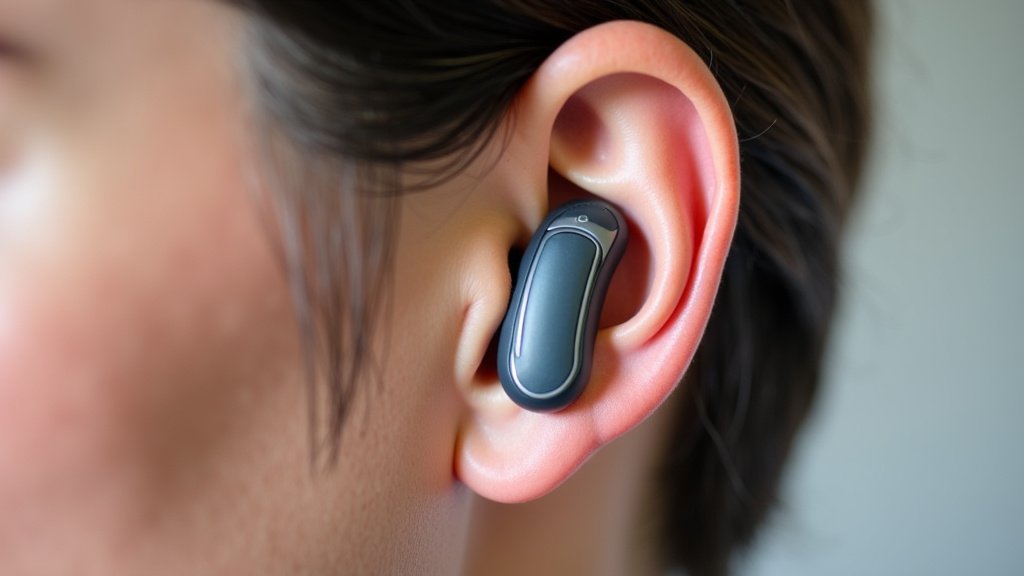
The process for getting a single hearing aid is similar to getting two. An audiologist will conduct a comprehensive hearing evaluation. They will look at the results for both ears. Based on your specific hearing profile, they will recommend the best type of hearing aid for your needs. This might be a behind-the-ear (BTE) style, a receiver-in-canal (RIC), or an in-the-ear (ITE) model. An audiologist can help you determine the best type of hearing aid for your specific needs.
The audiologist will then program the hearing aid to your unique hearing loss. They’ll ensure it’s comfortable and provides the clearest sound. You’ll also receive instructions on how to use and care for your new device. Don’t hesitate to ask questions! Your audiologist is there to help you every step of the way.
Adjusting to Your New Soundscape
It often takes a little time to get used to wearing a hearing aid. Your brain needs to readjust to hearing sounds it hasn’t processed clearly in a while. You might notice sounds that were previously unnoticed, like the hum of a refrigerator or distant traffic. This is perfectly normal!
Try to wear your hearing aid as much as possible, especially in different listening environments. This will help your brain adapt more quickly. Start with quieter settings and gradually move to more challenging situations. Be patient with yourself; your hearing journey is unique.
Making the Right Choice for You
Deciding whether one or two hearing aids are best for you is a personal decision. It depends on your specific hearing loss, your lifestyle, and your comfort level.
Here’s a quick checklist to help you think about your situation:
- Have you had a recent hearing test?
- Do you find it hard to hear conversations in noisy places?
- Do you often feel tired after social interactions?
- Is your “good” ear sometimes bothered by background noise?
- Are you comfortable with the idea of wearing two devices?
A single hearing aid is a fantastic solution for many people with unilateral hearing loss. It can significantly improve your quality of life by bringing back clarity and reducing listening strain. However, if you experience difficulties in noise or suspect even mild loss in your other ear, it’s worth discussing the option of a second hearing aid with your audiologist. They can help you weigh the pros and cons based on your individual needs and find the best path forward for your hearing health.
Conclusion
You can absolutely wear a hearing aid in just one ear if you’re experiencing hearing loss in only one ear. This is a practical and effective solution for single-sided deafness. A single hearing aid can significantly boost sound clarity and reduce the mental effort of listening. While two hearing aids offer advanced benefits like better noise reduction and sound localization, they aren’t always a necessity for everyone. Your audiologist is your best resource. They can assess your unique hearing needs and guide you toward the right solution for your lifestyle. Don’t hesitate to schedule a hearing test to explore your options.
Frequently Asked Questions
Will one hearing aid fully correct my hearing loss?
A single hearing aid can greatly improve your hearing on the affected side. It helps make sounds clearer and reduces listening strain. However, it won’t “correct” the underlying hearing loss itself. It’s designed to assist and enhance the hearing you have left.
How long does it take to get used to a single hearing aid?
Adjustment periods vary for everyone. Most people start noticing improvements within a few days. It can take a few weeks for your brain to fully adapt to the new sounds. Wearing the aid consistently in different environments speeds up this process.
Can I wear a hearing aid in my “good” ear if I have single-sided deafness?
You can, but it’s usually only recommended if your “good” ear has some degree of hearing loss, even mild. An audiologist will perform tests to check both ears. Wearing a second aid when one ear is perfectly healthy may not offer significant benefits.
Are single hearing aids less expensive than dual ones?
Generally, yes. Purchasing one hearing aid will cost less than buying a pair. However, hearing aid prices vary widely based on technology and features. Discussing your budget with your audiologist is important.
What happens if I try a single hearing aid and still struggle in noise?
If you find that a single hearing aid doesn’t provide enough help in noisy situations, it’s time to talk to your audiologist again. They can explore advanced features on your current aid or discuss whether using two hearing aids might provide a more balanced sound experience.