Do Hearing Aids Come with a Warranty?
On this page (6 sections)
Yes, hearing aids almost always come with a warranty. Most manufacturers offer a standard warranty period, usually for at least one year. This warranty typically covers repairs needed due to manufacturing defects. So, you can often feel secure knowing your investment is protected.
Understanding your warranty is smart. It’s your safety net against unexpected issues. Many hearing care professionals also provide additional coverage or service plans. This can extend protection beyond the manufacturer’s basic warranty. It’s wise to know what’s included before you buy.
- Hearing aids usually include a manufacturer’s warranty.
- This typically lasts for at least one year.
- Warranties cover defects from how they were made.
- Extended coverage or service plans might be available.
- Always check the specific warranty terms.
Let’s dive deeper into what these warranties mean for you and how to make sure you’re covered.
So, you’re thinking about hearing aids, and naturally, you’re wondering about protection. It’s smart to ask! What happens if something goes wrong? Does the manufacturer have your back? Let’s clear up any confusion about hearing aid warranties.
Understanding Your Hearing Aid Warranty Coverage
Yes, hearing aids come with a warranty. It’s pretty standard. Most manufacturers include a warranty period with every device. This is your first line of defense. It usually covers issues that arise from the way the hearing aid was made. Think of it like the warranty on your car or your phone. It’s there to give you peace of mind.
What Does a Standard Warranty Typically Include?
A standard manufacturer’s warranty for hearing aids usually lasts for at least one year. Some might even offer 18 months or two years as a baseline. This warranty is designed to protect you from defects in materials or workmanship. If a part fails because it was faulty from the factory, the warranty should cover the repair or replacement. This is a pretty universal practice across the industry (Better Hearing Institute).
What’s generally not covered? Accidental damage is usually excluded. If you drop your hearing aid in water or step on it, that’s typically on you. Also, normal wear and tear, like minor scratches, isn’t usually part of the warranty. And if you try to repair it yourself, that will definitely void the warranty. Always check the specifics for your particular model.
How Long Do Hearing Aid Warranties Last?
The length of the warranty can vary slightly between brands and even models within a brand. However, we found that a one-year warranty is the most common starting point. Some higher-end models might come with longer standard warranties. Your audiologist or hearing instrument specialist will be able to tell you exactly how long the warranty is for the devices you’re considering.
It’s also worth noting that sometimes warranties are prorated. This means the coverage might decrease over time. However, for basic manufacturing defects, the repair or replacement is usually free within the stated period. You won’t be asked to pay for parts or labor related to a manufacturing flaw. Understand the costs associated with repair or replacement of hearing aids.
When Your Warranty Isn’t Enough: Extended Coverage and Service Plans
While the standard warranty is a great start, it might not cover everything you want. This is where extended coverage and service plans come into play. These are often offered by the hearing aid manufacturer, the hearing healthcare provider, or even third-party companies.
Why Consider Extended Coverage?
Hearing aids are sophisticated, personal devices. They can be quite expensive, and you rely on them every day. An extended warranty or service plan offers a longer safety net. It can protect you from unexpected repair costs beyond the initial warranty period. Some plans might also cover things that the standard warranty doesn’t, like accidental damage.
Think about it like this: if you buy a new laptop, you might be offered an extended warranty. It’s the same principle for hearing aids. You’re making a significant investment in your hearing and quality of life. Extending the coverage can provide extra peace of mind, especially if you live an active lifestyle or have children or pets who might accidentally knock them around.
What Might Extended Plans Cover?
Extended plans can vary greatly. Some may simply extend the duration of the manufacturer’s warranty. Others might offer broader coverage. This could include:
- Accidental damage (drops, submersion in water)
- Loss or theft (though this is less common and often has limitations)
- Damage from normal wear and tear (like a cracked casing)
- Repairs for issues not considered manufacturing defects
- Battery replacement or specialized cleaning services
It’s crucial to read the fine print. You’ll want to understand exactly what’s covered, for how long, and if there are any deductibles or limits. Some plans have a maximum number of repairs or a cap on the repair cost.
Service Plans Through Your Audiologist
Many hearing care professionals offer their own service plans or bundles. These often include the manufacturer’s warranty plus additional benefits. They might bundle in initial fitting fees, follow-up appointments, and even earwax cleaning. These plans can be very convenient as they consolidate all your hearing aid services with one provider.
When you purchase hearing aids, ask your audiologist or hearing specialist directly about any service plans they offer. They can explain the terms, costs, and benefits. Often, these plans are tailored to their patients’ needs. They want you to have a positive and long-lasting experience with your new devices.
Navigating Your Warranty: What You Need to Know
Understanding your warranty is key to using it effectively. Don’t just assume you know what’s covered. Take the time to read the documents provided with your hearing aids.
Reading the Fine Print: Key Things to Look For
When you get your hearing aid package, you’ll usually find a warranty card or a booklet. Here’s what you should pay close attention to:
- Warranty Period: How long is it valid? When does it start?
- Coverage Details: What specific parts or issues are covered? What is excluded?
- Claim Process: How do you file a claim if you need a repair? Who do you contact?
- Deductibles or Fees: Are there any costs you’ll have to pay?
- Transferability: Can the warranty be transferred if you sell or give away the hearing aids? (Usually no, but good to check).
We found that many people overlook these details. But knowing them upfront can save you a lot of hassle later. It’s like having a map for a road trip; you want to know where you’re going before you start.
Who to Contact for Warranty Service
Typically, you’ll contact your hearing healthcare provider first if you suspect an issue. They are your primary point of contact. They can diagnose the problem and determine if it’s a warranty issue. If it is, they will usually handle the process of sending the hearing aid for repair or arranging for an in-office fix.
In some cases, you might be directed to contact the manufacturer directly. This is less common for repairs but might happen for certain troubleshooting steps or warranty inquiries. Your provider should guide you on the correct procedure. It’s usually a smooth process when you work through your audiologist.
Maintaining Your Warranty: What to Do (and Not Do)
To ensure your warranty remains valid, there are a few simple rules to follow. These are common sense, but worth repeating:
- Keep your devices clean according to the manufacturer’s instructions.
- Store them properly when not in use, ideally in their protective case.
- Avoid exposure to extreme heat or moisture unless they are specifically designed for it.
- Never attempt to repair them yourself.
- Keep your purchase receipt and warranty information in a safe place.
These steps help ensure you don’t accidentally void your warranty. They also help keep your hearing aids in good working order. A little care goes a long way!
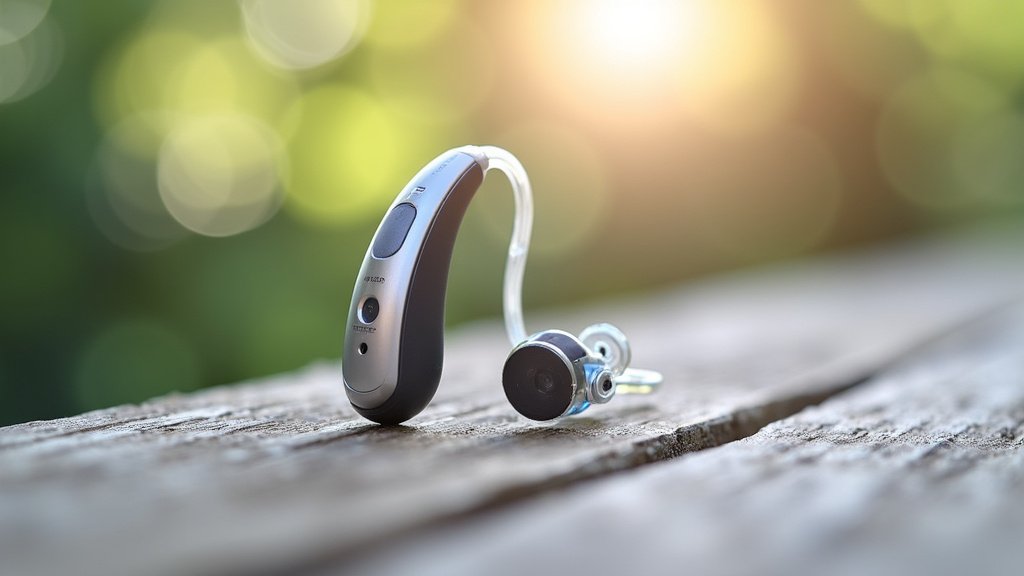
A Quick Checklist for Hearing Aid Warranties
To make sure you’ve got all your bases covered, here’s a quick rundown:
- Confirm the standard warranty length when purchasing.
- Read the warranty document carefully.
- Understand what is covered and what is not.
- Ask about extended warranty or service plan options.
- Know who to contact for repairs and service.
- Keep all warranty and purchase records.
Conclusion
You’ve learned that hearing aids almost always come with a warranty. This standard protection typically covers manufacturing defects for at least one year. It’s smart to understand what your basic warranty includes and what it excludes, especially accidental damage. You also know that extended service plans are available for added peace of mind. Before you make your purchase, take the time to read your warranty documents and discuss options with your hearing care provider. This preparation ensures your investment is protected for years to come.
Frequently Asked Questions
What is the typical length of a hearing aid warranty?
Most hearing aid manufacturers provide a standard warranty that lasts for at least one year. Some brands or higher-end models might offer 18 months or even two years as a standard. Your audiologist can confirm the exact duration for the devices you are considering.
Does the warranty cover accidental damage like dropping my hearing aid?
Generally, a standard manufacturer’s warranty does not cover accidental damage. This includes things like dropping your hearing aid, stepping on it, or exposing it to water. Extended warranties or service plans sometimes offer coverage for accidental damage, but you must check the specific terms.
Can I get a warranty that lasts longer than one year?
Yes, you can often extend your warranty coverage. Many hearing healthcare providers and manufacturers offer extended service plans. These plans can provide protection beyond the initial manufacturer’s warranty period and may cover additional types of damage.
Who should I contact if my hearing aid needs a repair under warranty?
Your first point of contact should usually be your hearing healthcare provider or audiologist. They can assess the issue and guide you through the warranty claim process. They often handle sending the device for repair or facilitating an in-office fix.
What should I do to make sure my hearing aid warranty stays valid?
To maintain your warranty, always follow the manufacturer’s care and cleaning instructions. Store your hearing aids properly in their case when not in use and avoid exposing them to extreme conditions. Importantly, never attempt to repair the devices yourself, as this will likely void the warranty.