How Much Does a TV Listening Device Cost?
On this page (6 sections)
The cost of a TV listening device can range from $30 to over $300. You’ll find simple wireless headphones for less. More advanced systems with clear voice technology will cost more. Your budget and needs will determine the best choice for you. Our guide to the best TV listening device can help you find the right system.Price points vary widely based on features and brand. We’ve researched this extensively for you.
Think about what you need a TV listening device for. Are you hard of hearing and need to boost dialogue? Or do you want to enjoy your shows without disturbing others? Different devices offer various solutions. Clearer sound and longer range often mean a higher price. Understanding these options helps you find the right device. We want you to get the most for your money.
- TV listening devices cost between $30 and $300+.
- Basic wireless headphones are budget-friendly.
- Advanced systems with voice enhancement cost more. Advanced systems with voice enhancement cost more, so consider our guide to the best TV listening devices for seniors.
- Your specific needs affect the price you’ll pay.
- Consider clarity and range when choosing.
Let’s walk through the factors that influence the price of TV listening devices so you can find the perfect fit for your home entertainment.
What’s the Price Tag on TV Listening Devices?
You’re curious about how much you’ll need to spend on a TV listening device. We’ve looked into it, and the costs really do vary. You can find basic options for under $50. Then, there are more sophisticated systems that can go up to $300 or even more. It all comes down to the features you need and what makes your viewing experience better.
Understanding the Factors That Shape TV Listening Device Costs
Several key elements influence the price you’ll pay. Think of it like buying a car; a basic model is cheaper than one loaded with all the bells and whistles. We found that technology, brand reputation, and included features are the biggest drivers of cost.
The Role of Technology and Features
Simpler devices might just offer basic amplification. They boost the overall sound volume. More advanced devices use special technology to isolate and clarify speech. This is incredibly helpful if you struggle to understand dialogue. Some systems offer features like adjustable bass and treble. Others let you customize the sound profile for each ear. This level of personalization will increase the price.
We also found that the type of wireless technology used makes a difference. Infrared systems are usually the most affordable. However, they have a limited range and can be blocked by obstacles. Radio Frequency (RF) systems offer a longer range and better penetration through walls. Bluetooth devices offer good sound quality and are versatile. But, they might introduce a slight delay, which can be noticeable for some.
Brand Name and Build Quality
Just like with many products, well-known brands often come with a higher price tag. This isn’t always about paying for the name. Established brands typically invest more in research and development. They also tend to use higher-quality materials in their devices. This can lead to a more durable product that performs better over time. We found that budget brands may cut corners on materials or sound processing to keep costs down.
What’s Included in the Package?
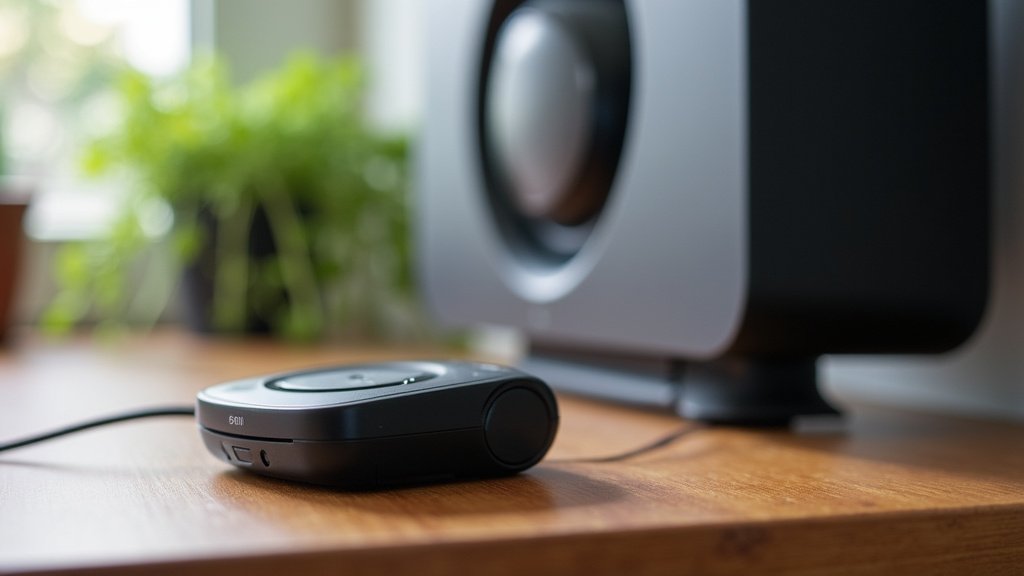
Sometimes, what’s in the box impacts the final price. Some basic TV listening devices come with just headphones and a transmitter. More expensive systems might include multiple headphone options. They could also come with a charging base, extra batteries, or longer cables. The more accessories included, the higher the overall cost will likely be.
Exploring Different Price Tiers of TV Listening Devices
Let’s break down the costs into different categories so you can see where your budget might fit.
Budget-Friendly Options: Under $75
In this price range, you’ll find basic wireless TV headphones. These are great for individuals who just need a bit more volume. They typically use infrared or simpler RF technology. You might get a decent range, maybe 30-50 feet. Sound quality is generally adequate for boosting dialogue. Don’t expect advanced features like voice clarity enhancement. Battery life can be shorter too. These are a good starting point if your hearing is only slightly impaired.
We found that some of these come with comfortable earcups. Others might be smaller earbud styles. Setup is usually straightforward. You plug the transmitter into your TV’s audio output. Then, you pair the headphones. It’s often plug-and-play. Expect simpler controls, maybe just a power button and a volume dial. Some users report minor static at the edges of the range.
Mid-Range Devices: $75 – $200
Stepping up to the mid-range opens up more possibilities. Here, you’ll often find better RF or basic Bluetooth systems. The range is typically longer, sometimes 100 feet or more. Sound quality improves noticeably. You might start seeing features that enhance speech clarity. Some devices allow for a bit more customization of sound settings.
Battery life is usually better in this tier. You might get 6-8 hours of listening time on a single charge. Charging bases are also more common. This makes it easy to store and charge your headphones. We found that some mid-range systems are designed for multiple users. You might be able to connect a second pair of headphones to the same transmitter. This is handy if you and a partner watch TV together.
Premium and Advanced Systems: $200+
This is where you find the top-of-the-line TV listening devices. These systems often boast superior sound fidelity. They use advanced noise-cancellation and voice-enhancement technologies. Think of it as getting a concert-hall sound experience at home. You’ll likely find the clearest dialogue possible. Some even offer smart features or app control.
The range on these premium devices is usually excellent. They might support multiple audio inputs and outputs. This means you can connect them to different devices. Battery life is often extended, sometimes up to 10-12 hours. We found that many high-end models are built with premium materials. They feel sturdy and comfortable for long listening sessions. This price point is for those who want the absolute best audio experience without disturbing anyone.
Comparison Table: Understanding the Price Differences
Here’s a quick way to visualize what you get at different price points. Keep in mind these are general ranges, and specific features can vary.
| Price Range | Typical Features | Best For |
|---|---|---|
| Under $75 | Basic amplification, infrared/simple RF, limited range, basic battery life. | Occasional mild hearing loss, simple volume boost. |
| $75 – $200 | Improved RF/Bluetooth, longer range, better sound, some voice clarity options, charging base. | Moderate hearing loss, enjoying clearer dialogue, sharing with a partner. |
| $200+ | Superior sound, advanced voice enhancement, noise cancellation, long range, premium build, app control options. | Significant hearing loss, audiophiles, experiencing the best possible sound. |
Beyond the Sticker Price: Other Costs to Consider
While the initial purchase price is the biggest factor, there are a few other things that might add to your overall expense over time. We want you to have the full picture.
Batteries and Charging
Most wireless TV listening devices use rechargeable batteries. These are often built-in. However, some older or very basic models might use replaceable AA or AAA batteries. If you go that route, you’ll need to budget for buying new batteries periodically. Rechargeable batteries have a lifespan too. After a few years, you might notice they don’t hold a charge as long. Replacing them could be an additional cost down the line. We found that premium devices often come with longer-lasting batteries or more robust charging solutions.
Accessories and Replacements
What if you lose a part? Or maybe you want an extra set of ear pads for comfort? Sometimes, replacement parts or accessories are available for purchase separately. This could be anything from a replacement charging cable to different sizes of eartips. While not a direct cost of the device itself, it’s something to be aware of if you tend to be hard on your equipment.
Extended Warranties
Many electronics retailers offer extended warranties. These can add a little extra to your initial purchase. They can provide peace of mind if you’re concerned about a device failing outside the standard warranty period. We found that for more expensive systems, an extended warranty might be a worthwhile consideration for some shoppers.
Making Your Choice: A Quick Checklist
Ready to find the perfect TV listening device for your needs? Consider these points:
- Assess your hearing needs: How much help do you really need?
- Determine your budget: How much are you comfortable spending upfront?
- Check the range: Will the device reach comfortably from your TV to your listening spot?
- Prioritize sound quality: Is clear dialogue or rich audio more important?
- Consider extra features: Do you need multi-device connectivity or app control?
- Read reviews: See what other users say about performance and durability.
Conclusion
You’ve learned that TV listening devices range from budget-friendly options under $75 to premium systems costing over $200. Your ideal device depends on your unique needs, like how much hearing assistance you require and whether you prioritize clear dialogue or overall sound quality. We found that features like voice enhancement and longer wireless range often increase the price. By considering the technology, brand, and included accessories, you can confidently find a device that fits your budget and enhances your TV experience. Take that checklist and find the perfect listening solution for your home!
Frequently Asked Questions
Are the most expensive TV listening devices always the best?
Not necessarily. While premium devices often offer superior sound and advanced features, the “best” device is one that meets your specific hearing needs and budget. We found that mid-range options can provide excellent value for many users. It’s more about matching features to your requirements.
Can I use a TV listening device if I don’t have hearing loss?
Absolutely. Many people use TV listening devices to enjoy their shows at a comfortable volume without disturbing others in their household. You might also use them to get clearer dialogue in action-packed movies or shows. We found this is a common reason for purchasing them, even without diagnosed hearing loss.
How long do TV listening device batteries typically last?
Battery life varies by model and price point. Budget devices might offer 4-6 hours of listening time. Mid-range systems often provide 6-8 hours. Premium devices can last 10-12 hours or more on a single charge. We found that rechargeable batteries are standard in most models.
What is the difference between Infrared (IR) and Radio Frequency (RF) TV listening devices?
Infrared (IR) devices are typically more affordable but require a direct line of sight to the TV transmitter and have a shorter range. Radio Frequency (RF) devices offer a longer range and can transmit through walls and obstacles. We found RF systems are generally more versatile for different room layouts.
Will a TV listening device work with all types of TVs?
Most TV listening devices connect to your TV’s audio output port, usually a headphone jack or an RCA (red and white) audio out. As long as your TV has one of these standard audio outputs, the listening device should work. We advise checking your TV’s available ports before purchasing.