Is a Hearing Amplifier the Same as a Hearing Aid?
On this page (3 sections)
No, a hearing amplifier is not the same as a hearing aid. While both devices help you hear sounds better, they are designed for different purposes and regulated differently. Understanding the distinction is very important.
Hearing aids are regulated medical devices prescribed by a hearing professional for specific types of hearing loss. Amplifiers are general sound enhancement tools, often sold over-the-counter, for people with normal hearing who want to amplify sounds in certain situations.
- Hearing aids are for diagnosed hearing loss.
- Hearing amplifiers are for general sound boost.
- Hearing aids are medical devices.
- Amplifiers are not medical devices.
- Professional fitting is required for hearing aids.
- Amplifiers can be bought without a prescription.
Ready to learn more about these differences? Let’s walk through exactly what separates these two devices so you can make an informed choice.
Understanding Hearing Devices: Are They the Same?
No, a hearing amplifier is not the same as a hearing aid. We found that these two devices serve very different purposes and are regulated by different agencies.
When you’re looking for help with hearing, it’s easy to get confused. You might see devices that look similar but have very different functions. Knowing the difference protects your hearing and helps you make the best choice.
Hearing Aids: A Medical Solution for Hearing Loss
Let’s start with hearing aids. These are medical devices designed to treat hearing loss. If you suspect you have hearing loss, a hearing aid is likely what you need.
Think of hearing aids like eyeglasses for your ears. Just as glasses correct vision, hearing aids correct hearing. They are highly sophisticated and personalized.
What Exactly is a Hearing Aid?
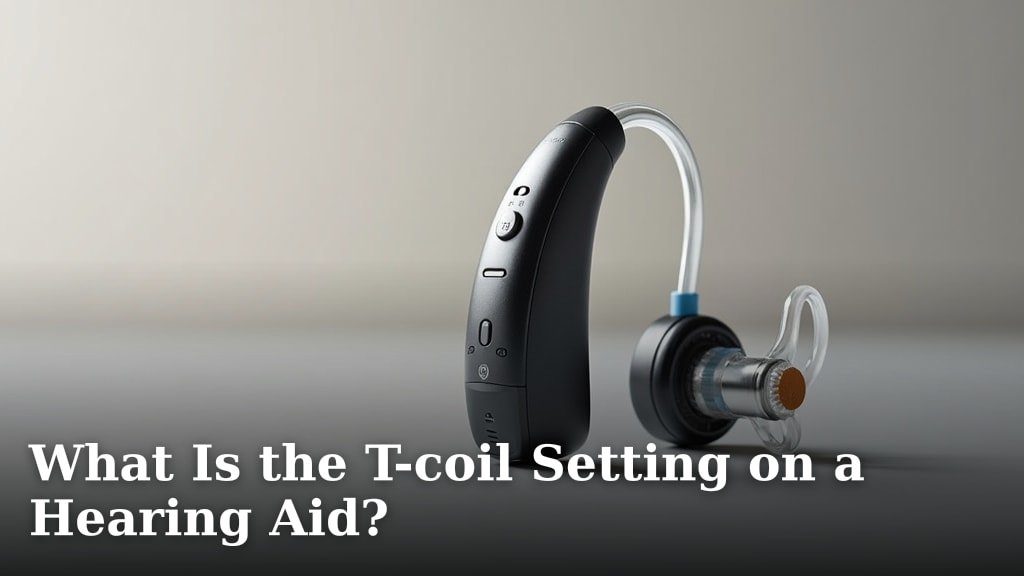
A hearing aid is a small electronic device. It helps people with diagnosed hearing loss hear sounds better. It makes certain sounds louder, clearer, and easier to understand.
Hearing aids don’t just make everything louder. They are programmed to amplify specific frequencies that you struggle to hear. This programming is based on your unique hearing profile.
The Role of Professionals in Hearing Aid Fitting
Getting a hearing aid involves a professional. An audiologist or a licensed hearing aid dispenser conducts a comprehensive hearing test. This test determines the type and degree of your hearing loss.
Based on your test results, the professional will recommend a specific hearing aid. They will then program and fit the device to your ear. This ensures it works effectively and comfortably for you.
Regular follow-up appointments are also important. These help fine-tune the device and address any questions or issues you might have. This ongoing support is a key part of using hearing aids successfully (National Institute on Deafness and Other Communication Disorders).
Regulation and Quality Assurance
Hearing aids are regulated by the Food and Drug Administration (FDA) as medical devices. This means they must meet strict standards for safety and effectiveness. This regulation gives you a layer of protection.
The FDA oversight ensures that hearing aids are reliable. They are built with quality components and advanced technology. This is very different from many over-the-counter devices.
Hearing Amplifiers: General Sound Enhancement
Now, let’s look at hearing amplifiers. These devices are different. They are generally for people with normal hearing who want to boost sounds in certain situations.
Imagine you’re at a birdwatching event. You might use an amplifier to hear distant birdsong more clearly. Or perhaps you want to hear a quiet TV better without turning up the volume for everyone.
What is a Hearing Amplifier?
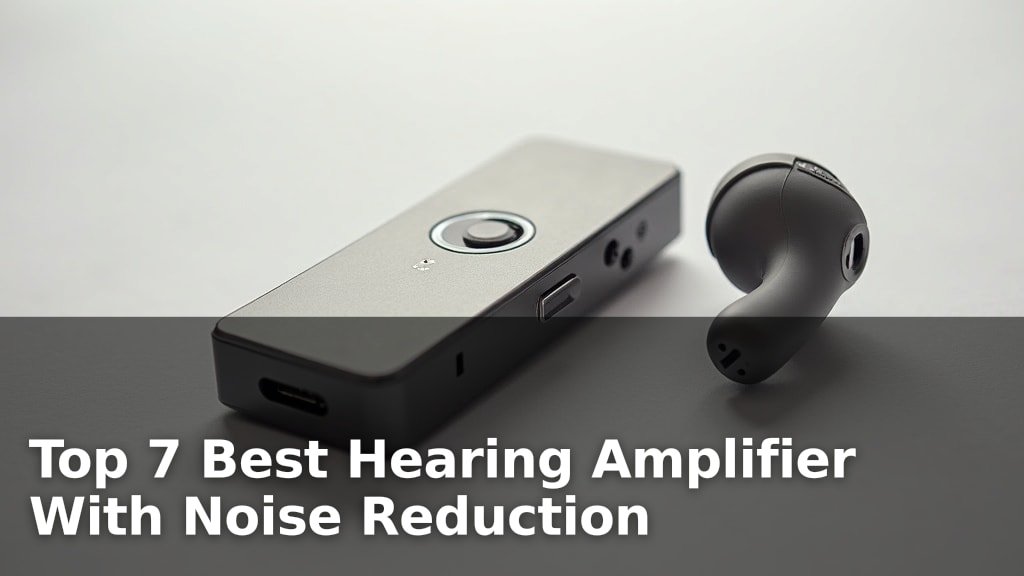
A hearing amplifier is an electronic device that simply makes all sounds louder. It’s like a megaphone for your ears. It doesn’t distinguish between different frequencies.
These devices are not designed to correct hearing loss. They are for environmental sound enhancement. They often cost less than hearing aids because they are simpler in design and function.
No Professional Fitting Required
You can buy hearing amplifiers without a prescription. They are often sold over-the-counter (OTC) or online. There’s usually no professional involved in selecting or fitting the device.
This convenience can be appealing. However, it also means you don’t get the personalized care or programming that comes with a hearing aid. You simply put them in and turn them on.
Regulation and Safety Considerations
Most hearing amplifiers are not regulated by the FDA as medical devices. They are considered general wellness products. This means they don’t undergo the same rigorous testing as hearing aids.
While many are safe, this lack of regulation means quality can vary. Some might produce excessive volume that could potentially harm your hearing over time. Always check reviews and product specifications carefully.
It’s important to use these devices responsibly. If you suspect you have hearing loss, an amplifier is not the right solution. It could delay proper diagnosis and treatment.
Key Differences: A Quick Comparison
Let’s summarize the main differences between hearing aids and hearing amplifiers. This helps clarify why one is not a substitute for the other.
| Feature | Hearing Aid | Hearing Amplifier |
|---|---|---|
| Purpose | Treats diagnosed hearing loss | General sound enhancement for normal hearing |
| Regulation | FDA-regulated medical device | Generally not FDA-regulated |
| Prescription | Required (or OTC for mild to moderate loss) | Not required |
| Professional Involvement | Yes (audiologist/dispenser) | No |
| Personalization | Custom programmed for your hearing loss | One-size-fits-all sound boost |
| Cost | Typically higher | Typically lower |
| Risk of Damage | Low (professionally fitted) | Higher (if used improperly or too loudly) |
When to Consider Each Device
Knowing when to choose a hearing aid versus an amplifier is critical. Your personal hearing needs guide this decision.
Opting for a Hearing Aid
You should consider a hearing aid if you notice signs of hearing loss. These might include difficulty understanding conversations, needing to turn up the TV volume, or missing soft sounds (CDC).
- You often ask people to repeat themselves.
- You struggle to hear in noisy environments.
- Friends or family suggest you might have hearing loss.
- A hearing professional diagnoses you with hearing loss.
- You want a precise, personalized solution for better hearing.
Remember, an audiologist can accurately diagnose your hearing health. They provide the right solution to protect your ears and improve your quality of life.
Choosing a Hearing Amplifier
A hearing amplifier might be suitable if you have normal hearing. You might want a boost in specific situations. For example, if you want to hear a lecture better from the back of a large hall.
These devices are helpful for temporary, situational sound enhancement. They are not meant for continuous use as a substitute for hearing aids. They cannot correct underlying hearing issues.
Making an Informed Choice for Your Hearing Health
Your hearing is precious. Don’t let confusing product names lead you astray. Always prioritize your long-term hearing health.
If there’s any doubt about your hearing, consult a professional. An audiologist can determine if you have hearing loss. They can guide you to the right solution, whether it’s a hearing aid or other support.
Thinking about your hearing needs? Here’s a quick checklist to help you decide on the right path:
- Do you suspect you have hearing loss? See an audiologist.
- Are you looking for a device to improve specific, temporary listening situations? An amplifier might help.
- Do you need a device that is custom-programmed for your ears? A hearing aid is the answer.
- Is FDA regulation and professional fitting important to you? Choose a hearing aid.
- Are you just looking for a simple, general volume boost? An amplifier could work.
Remember, one device isn’t inherently “better” than the other. They simply serve different purposes. Your specific needs will dictate which device is right for you.

Conclusion
As you can see, a hearing amplifier and a hearing aid serve very different purposes. Understanding this distinction is vital for your hearing health. Hearing aids are medical devices for diagnosed hearing loss, customized by professionals. Amplifiers offer a general sound boost for those with normal hearing in specific situations.
Your hearing is too important to guess. If you suspect any hearing loss, your best next step is always to consult an audiologist. They can accurately assess your needs and guide you toward the right solution, ensuring you protect your ears and improve your quality of life.
Frequently Asked Questions
Can a hearing amplifier damage my hearing?
Yes, a hearing amplifier can potentially damage your hearing if used improperly. Many amplifiers simply make all sounds louder without filtering. Excessive volume over time can lead to further hearing damage, especially if you already have underlying hearing issues.
Are OTC (Over-The-Counter) hearing aids the same as amplifiers?
No, OTC hearing aids are not the same as general amplifiers. While both are sold without a prescription, OTC hearing aids are still regulated by the FDA as medical devices. They are designed for adults with perceived mild to moderate hearing loss, offering more sophisticated technology than basic amplifiers.
How do I know if I need a hearing aid or just an amplifier?
The key difference lies in whether you have diagnosed hearing loss. If you struggle to hear in many situations, ask people to repeat themselves, or notice a general decline in your hearing, consult an audiologist. An amplifier is only suitable if you have normal hearing and need occasional sound enhancement.
Will an amplifier help me understand conversations better in noisy places?
A basic amplifier might make all sounds, including noise, louder, which could make understanding conversations even harder. Hearing aids are designed with advanced features like noise reduction and directional microphones to specifically help you focus on speech in complex listening environments.
Is it cheaper to buy an amplifier instead of a hearing aid?
Generally, amplifiers are less expensive than hearing aids. However, this lower cost reflects their simpler technology and lack of personalization. If you have hearing loss, an amplifier is not an effective or safe substitute for a properly fitted hearing aid, which provides a tailored medical solution.