Are Hearing Amplifiers Safe for Your Ears?
On this page (8 sections)
Yes, hearing amplifiers can be safe for your ears, but only when used correctly and responsibly. Misusing them can cause harm, so understanding the risks is vital.
Many people find hearing amplifiers helpful for boosting sounds in certain situations. Our guide to cleaning a hearing amplifier covers routine device care. They are not medical devices like hearing aids. We found that proper usage is key to protecting your hearing over time.
- Hearing amplifiers are not the same as hearing aids.
- Incorrect use can damage your hearing.
- Always follow manufacturer guidelines.
- Consult a hearing professional for hearing loss concerns.
Let’s dive into everything you need to know about hearing amplifiers and how to use them safely.
Are Personal Sound Amplifiers Safe for Your Ears?
Yes, personal sound amplifiers, often called PSAPs, can be safe when you use them the right way. But improper use carries risks. Understanding these risks helps you protect your hearing.
Many people find PSAPs useful. They help you hear better in certain situations. They are not the same as hearing aids, which are medical devices. We found that following guidelines is key to keeping your ears healthy.
Understanding Hearing Amplifiers: What Are They?
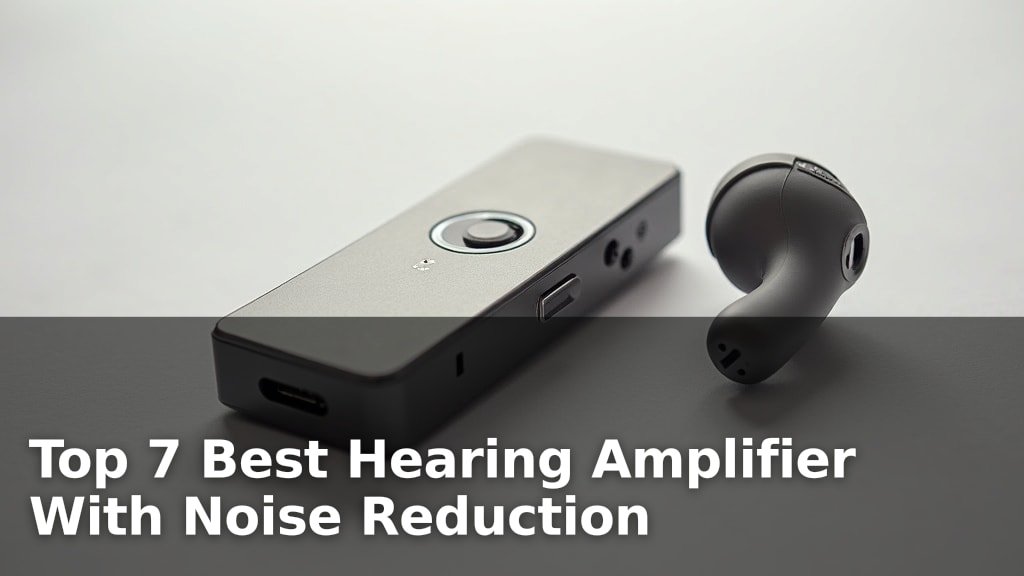
Hearing amplifiers are electronic devices. They make sounds louder. See our guide to in-ear amplifiers for seniors for a closer look at this style. For shooting sports, compare ear amplifiers for the range. Think of them like a small microphone and speaker for your ear. They’re designed for people with normal hearing who want to boost sounds in specific environments. Maybe you want to hear birds chirping. Or perhaps you’re listening to a lecture from the back of a large hall.
These devices are readily available. You can buy them online or in many stores. They don’t require a prescription. This accessibility is a big difference from hearing aids.
Hearing Amplifiers vs. Hearing Aids: Know the Difference
This is a really important point. Many people confuse hearing amplifiers with hearing aids. They are very different. Hearing aids are medical devices. They are prescribed by a hearing professional. They are custom-fitted and programmed for your specific hearing loss. The Food and Drug Administration (FDA) regulates hearing aids as medical devices.
On the other hand, hearing amplifiers are not medical devices. The FDA regulates them as consumer products. They simply make all sounds louder. They don’t fine-tune sounds to match your unique hearing profile. This difference is critical for your ear health.
Why Does This Distinction Matter?
The distinction matters for several reasons. First, a hearing aid is programmed to help specific frequencies you struggle with. An amplifier just makes everything louder. This means an amplifier could make sounds that are already loud even louder. This could harm your ears over time; learn more about how amplifiers can damage hearing.
Second, if you have actual hearing loss, an amplifier won’t correct it. It will just make things louder. This could give you a false sense of security. You might delay getting help for a treatable medical condition. We found that early intervention for hearing loss is always best (National Institute on Deafness and Other Communication Disorders).
The Risks of Improper Hearing Amplifier Use
Using a hearing amplifier incorrectly can pose real dangers to your hearing. Your ears are delicate. They need protection. What can go wrong?
One major risk is noise-induced hearing loss (NIHL). For more, see whether wearing an amplifier too loud can damage hearing. If you turn the volume too high, you expose your ears to damaging sound levels. This can happen quickly with a powerful amplifier. Imagine being at a loud concert all the time. That’s what it could feel like to your ears.
Another risk is masking underlying hearing issues. If you have hearing loss, an amplifier might make you feel better temporarily. But it won’t fix the root cause. This could mean you miss out on treatments that could genuinely help you hear better and preserve your hearing longer.
Potential Harmful Effects on Your Ears
What specific damage can occur? Exposure to loud sounds, even from an amplifier, can harm the tiny hair cells in your inner ear. These cells don’t grow back. Once they are damaged, they are gone for good. This leads to permanent hearing loss.
You might also experience tinnitus. Tinnitus is a ringing, buzzing, or hissing sound in your ears. It can be temporary or permanent. It’s often a sign of damage to your hearing system. Overuse or high volume settings on an amplifier can certainly contribute to tinnitus.
It’s like using a magnifying glass in the sun. Too much focus can burn something. Too much sound can damage your ears.
Signs of Hearing Amplifier Misuse or Damage
How do you know if you’re using your amplifier incorrectly? Or if it’s causing harm? Your body often sends signals. Pay attention to them.
One clear sign is discomfort or pain in your ears. If it hurts, turn it down immediately. Another sign is ringing or buzzing after you’ve taken the amplifier out. That’s tinnitus, and it’s your ears telling you they’ve had too much.
Do you find yourself needing to turn the volume higher and higher? This could be a sign that you’re relying too much on the device. It might also mean your underlying hearing is actually getting worse. This is a good time to consult a doctor.
- Ear discomfort or pain
- Ringing or buzzing in your ears (tinnitus)
- Difficulty understanding speech, even with the device
- Needing to constantly increase the volume
- Feeling like sounds are distorted or muffled
- New sensitivity to loud sounds
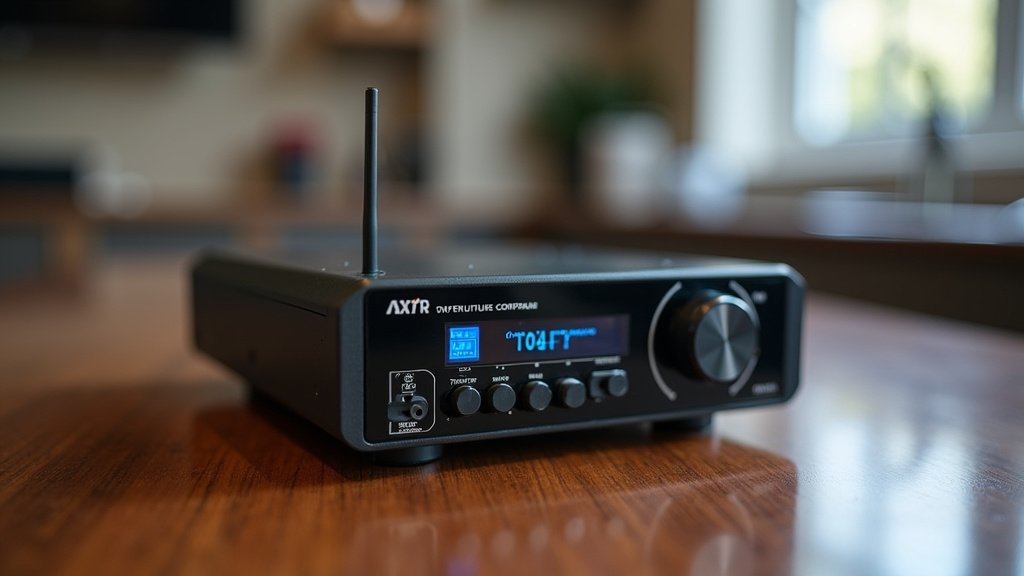
Using Hearing Amplifiers Safely: Best Practices
If you choose to use a hearing amplifier, do it wisely. Safety comes first. We found several key practices to protect your hearing while using these devices.
Always start with the lowest volume setting. Gradually increase it only until sounds are comfortable. Never crank it up to maximum right away. Your ears need time to adjust, and loud sounds are sneaky. They might not feel too loud at first, but still be damaging.
Limit your usage time. Don’t wear your amplifier all day long. Use it for specific situations where you need a boost. Think of it like wearing sunglasses. You wear them when it’s bright, not all the time.
Volume Control: Your First Line of Defense
The volume dial is your most important tool. Keep it in check. Many experts say that prolonged exposure to sounds above 85 decibels can cause permanent hearing loss (Centers for Disease Control and Prevention). An amplifier can easily exceed this level if set too high. Imagine a busy city street. That’s around 85 decibels.
So, how loud is too loud? If you have to shout to be heard by someone next to you while wearing the amplifier, it’s too loud. If your ears feel tired or sore after use, it’s too loud. Always err on the side of caution. Your ears will thank you.
Regular Breaks and Usage Limits
Give your ears a rest. Take frequent breaks from your amplifier. For instance, if you’re at a gathering, use it for an hour, then take a 15-minute break. This prevents continuous exposure to amplified sounds.
Also, don’t use it in already loud environments. An amplifier in a noisy restaurant might seem like a good idea, but it often just makes the background noise even more overwhelming. It can also push sound levels into dangerous territory.
When to See a Professional: Don’t Self-Diagnose
If you suspect you have hearing loss, see a hearing professional. Don’t try to fix it with an amplifier. An audiologist can test your hearing. They can tell you if you have hearing loss, what type it is, and what your best options are. This might be hearing aids, or other treatments. An amplifier is never a substitute for a professional diagnosis.
We found that many people delay seeking help for hearing loss. This delay can make future treatment less effective. If you notice changes in your hearing, even subtle ones, get it checked out.
| Feature | Hearing Amplifier | Hearing Aid |
|---|---|---|
| Purpose | Boosts environmental sounds for normal hearing | Compensates for diagnosed hearing loss |
| Regulation | Consumer product (FDA regulated) | Medical device (FDA regulated) |
| Availability | Over-the-counter, no prescription | Prescription or audiologist fitting needed |
| Customization | General sound boosting, limited settings | Custom-fitted and programmed for individual hearing loss |
| Cost | Generally lower | Generally higher |
| Risk of Harm | Higher if misused (over-amplification) | Lower if properly fitted and used |
Checklist for Safe Amplifier Use
To keep your ears healthy while using an amplifier, follow this quick checklist. It’s designed to help you remember the most important safety tips.
- Always start with the volume low and gradually increase it.
- Use your amplifier only in specific situations, not all day.
- Take regular breaks to rest your ears from amplified sound.
- Never use it in environments that are already very loud.
- If you feel discomfort, ringing, or pain, remove the device immediately.
- If you suspect hearing loss, consult a hearing professional without delay.
Conclusion
You now know that while hearing amplifiers can be useful tools, their safe use is entirely in your hands. They are not medical devices. Misuse carries real risks, including permanent hearing damage. By understanding the difference between amplifiers and hearing aids, and by following simple safety guidelines, you can protect your precious hearing.
Always prioritize your ear health. If you suspect any hearing loss, or experience discomfort, please consult a hearing professional. Don’t self-diagnose or rely solely on an amplifier for a medical condition. Your future hearing depends on smart choices today.
Frequently Asked Questions
Can hearing amplifiers make my hearing worse over time?
Yes, if used improperly, hearing amplifiers can definitely worsen your hearing. Turning the volume too high or using them for too long can expose your ears to damaging sound levels. This can lead to permanent noise-induced hearing loss.
What’s the main difference in how hearing aids and amplifiers work?
Hearing aids are programmed to specific frequencies you struggle to hear due to diagnosed hearing loss. For another device category, read about OTC hearing aid safety. They selectively amplify those sounds. Amplifiers, on the other hand, simply make all sounds louder across the board, without individual customization.
Should I get a hearing test before buying an amplifier?
We strongly recommend getting a hearing test if you’re concerned about your hearing. An amplifier might mask an underlying medical issue. A professional test can determine if you have actual hearing loss and if a medical device like a hearing aid is more appropriate for you.
Are there any age restrictions for using hearing amplifiers?
There are no official age restrictions since they are consumer products. However, caution is advised for children, as their ears are still developing and more susceptible to damage from loud noises. Always consult a pediatrician or audiologist for children’s hearing concerns.
How can I tell if an amplifier is too loud?
If you experience any discomfort, pain, ringing (tinnitus), or muffled sounds after use, the amplifier is too loud. You should also be able to hold a conversation comfortably with someone nearby without shouting. Always err on the side of caution and lower the volume.