What Is a Pocket Talker?
On this page (6 sections)
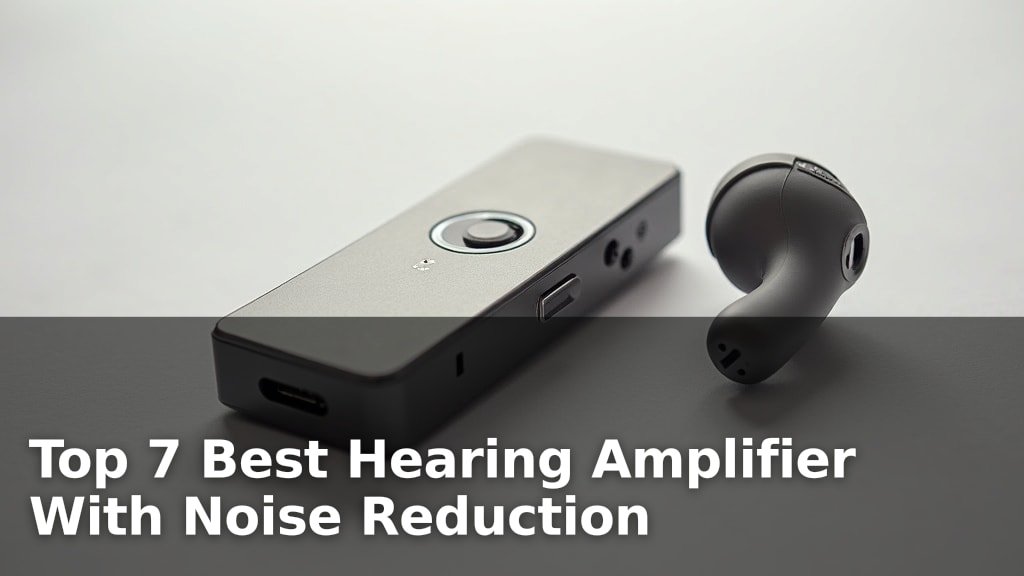
A Pocket Talker is a personal sound amplifier designed to help people with hearing loss hear sounds more clearly. For related guidance, see Pocket Talker Hard Hearing. It’s a portable device that brings sounds closer to your ears, making conversations, TV, and other audio much easier to understand. You can think of it as a helpful boost for your ears.
This simple gadget often includes a microphone, an amplifier, and headphones or earbuds. It works by picking up sounds, making them louder, and then sending them directly to you. It’s a great solution for many situations where hearing aids might not be enough or are too much.
- Pocket Talkers amplify sounds directly to your ears.
- They are portable and easy to use.
- Ideal for conversations, TV, and public spaces.
- They use a microphone, amplifier, and headphones.
- A simple, effective tool for better hearing.
Are you wondering if a Pocket Talker could make a difference for you or a loved one? For related guidance, see Pocket Talker One-On One Conversations. Let’s explore everything you need to know about how these devices work and who can benefit most from them.
Understanding Your Personal Sound Amplifier
A Pocket Talker is like a personal audio assistant, bringing sounds you want to hear closer to your ears. For related guidance, see Pocket Talker. It helps you catch every word and sound that might otherwise be muffled or missed. Think of it as a simple, yet powerful, hearing boost.
It’s not a hearing aid, but rather a specialized listening device. It makes specific sounds louder, helping you understand conversations or enjoy your favorite shows without struggling.
How Does a Pocket Talker Actually Work?
You might be wondering about the magic behind this small device. The process is quite straightforward. Imagine a mini sound system designed just for you.
First, a small microphone picks up sounds from your surroundings. This could be someone talking to you, the TV playing, or even birds chirping outside.
Next, these sounds travel to a built-in amplifier. This is where the magic happens! The amplifier makes the sounds louder and clearer. It’s like turning up the volume on a stereo, but with more precision.
Finally, the amplified sounds are sent through wires to your headphones or earbuds. These deliver the sound directly into your ears, bypassing any obstacles that might usually make hearing difficult.
The beauty of it is its simplicity. You control the volume and tone, tailoring the sound to your specific needs.
Who Can Benefit from a Pocket Talker?
Many people find a Pocket Talker incredibly helpful. For related guidance, see Rechargeable Pocket Talker. It’s not just for those with profound hearing loss, but also for individuals who experience mild to moderate difficulties in certain situations.
Individuals with Mild to Moderate Hearing Loss
If you sometimes struggle to hear in noisy places, or find yourself asking people to repeat themselves, a Pocket Talker could be a great solution. We’ve seen it help many people rejoin conversations with confidence.
It’s particularly useful for those who aren’t ready for traditional hearing aids or find them too expensive. This device offers a low-cost, effective alternative for improving your daily hearing experiences.
Situational Hearing Challenges
Do you love watching TV but hate constantly adjusting the volume? Or perhaps you miss parts of sermons or lectures? A Pocket Talker can zero in on the sounds you want to hear in these specific situations.
Many people use them just for their favorite hobbies, like birdwatching or listening to audiobooks. It truly makes a difference when clarity is key.
Temporary Hearing Needs
Sometimes, hearing issues are temporary, perhaps due to an ear infection or a surgical recovery. A Pocket Talker can provide support during these times without the commitment of a permanent hearing solution.
It’s a flexible tool that you can use when you need it and put away when you don’t. This adaptability is a big plus for many users.
Key Features and Components of a Typical Pocket Talker
When you’re considering a Pocket Talker, it’s good to know what makes up these handy devices. They are designed for ease of use and portability.
Most models share a few core components that work together to enhance your hearing experience. Let’s break them down.
The Main Unit: Small and Portable
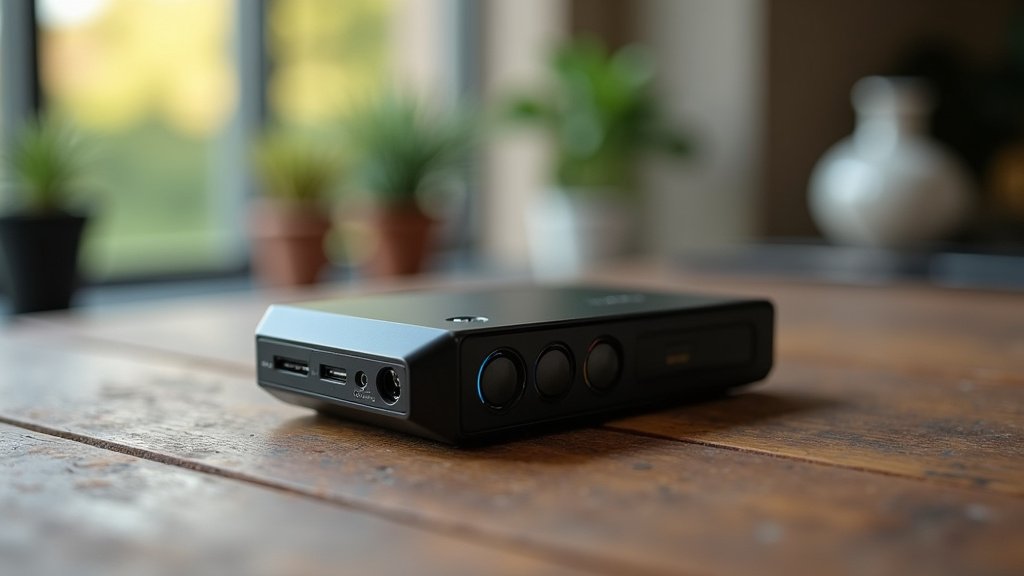
The main unit is the heart of your Pocket Talker. It’s usually a small, lightweight box that fits comfortably in your pocket or clips to your belt.
This unit houses the amplifier and the controls. Its compact size means you can take it almost anywhere, making it ideal for on-the-go listening.
Microphones: Capturing the Sound
Every Pocket Talker includes a microphone, which is crucial for picking up sounds. Some models have a built-in microphone, while others come with an external one.
External microphones can be particularly useful for focusing on a specific sound source, like a speaker across a room. This flexibility allows you to tailor your listening experience.
Headphones or Earbuds: Delivering Clarity
The type of listening device you use can greatly impact your experience. Pocket Talkers are versatile and often allow you to use various headphones or earbuds.
You can choose from comfortable over-ear headphones, discreet earbuds, or even neck loops for those who use hearing aids with a T-coil function. The choice is yours, based on comfort and preference.
Adjustable Controls: Personalizing Your Hearing
One of the best features of a Pocket Talker is the ability to customize your sound. You’ll typically find easy-to-use controls on the main unit.
These controls usually include a volume dial to make sounds louder or softer. Many models also feature a tone control, allowing you to adjust the sound’s clarity, making voices brighter or deeper to suit your hearing needs.
This personal control ensures that the sound is just right for you, not too loud and not too soft.
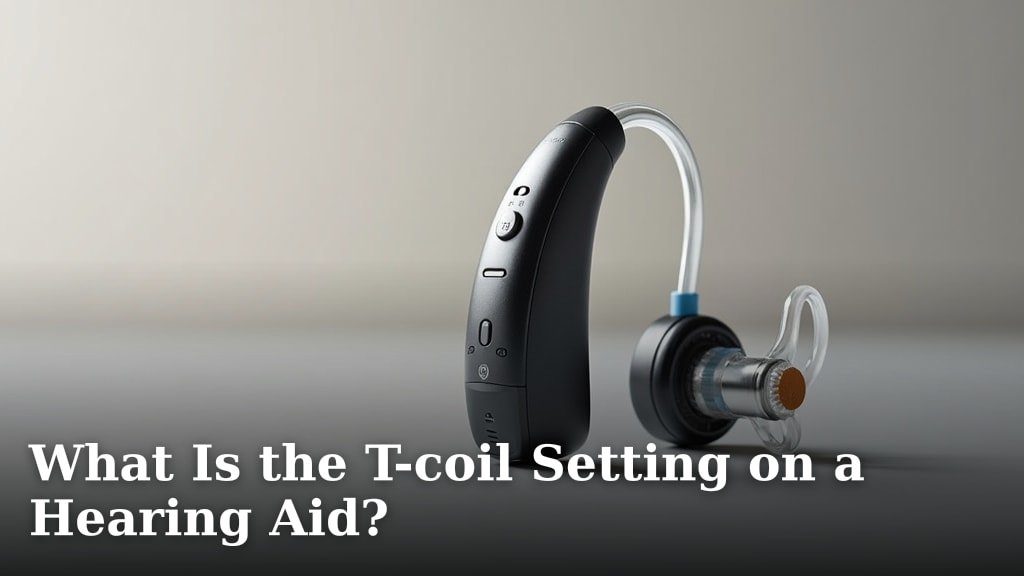
Pocket Talkers vs. Hearing Aids: What’s the Difference?
It’s easy to confuse a Pocket Talker with a hearing aid. For a closer comparison, see our guide to hearing aids and Pocket Talkers. While both help with hearing, they are designed for different purposes and have distinct functionalities.
Understanding these differences can help you decide which device is better suited for your individual needs. We often find people ask about this comparison.
Purpose and Functionality
A Pocket Talker is a personal sound amplifier. Its main job is to make all sounds louder for you. It’s like a focused microphone and speaker system.
Hearing aids, on the other hand, are sophisticated medical devices. They are prescribed by an audiologist and are precisely programmed to compensate for specific types of hearing loss across different frequencies (National Institute on Deafness and Other Communication Disorders).
They are designed to restore hearing to as close to normal as possible, not just make everything louder.
Customization and Technology
Pocket Talkers offer basic adjustments for volume and tone. They are simple to use right out of the box.
Hearing aids use advanced digital processing. They can filter out background noise, adjust to different environments, and even connect wirelessly to other devices. This technology is much more intricate and personalized.
Cost and Accessibility
Generally, Pocket Talkers are significantly less expensive than hearing aids. They are widely available and don’t require a prescription or a visit to a specialist.
Hearing aids represent a more substantial investment and necessitate professional fitting and ongoing adjustments. Many health insurance plans may not fully cover the cost of hearing aids (Mayo Clinic).
| Feature | Pocket Talker | Hearing Aid |
|---|---|---|
| Primary Function | Amplifies all sounds generally | Corrects specific hearing loss frequencies |
| Technology | Basic amplification, volume/tone control | Advanced digital processing, noise reduction, programmed for user |
| Customization | User adjusts volume/tone | Professionally programmed for individual hearing loss |
| Cost | Lower cost, readily available | Higher cost, requires professional fitting |
| Prescription | No prescription needed | Requires a medical evaluation and prescription |
| Target User | Mild-moderate hearing loss, situational use | Various degrees and types of hearing loss |
Is a Pocket Talker the Right Choice for You?
Deciding if a Pocket Talker is suitable for your needs involves considering your specific hearing challenges and lifestyle. It’s a great tool, but it’s not a universal solution.
Let’s look at some indicators that might suggest a Pocket Talker could be a good fit.
When to Consider a Pocket Talker
You might find a Pocket Talker beneficial if you:
- Need help hearing in specific situations, like family dinners or church services.
- Experience mild to moderate hearing loss and want a simple boost.
- Are looking for a more affordable option than traditional hearing aids.
- Want a device that is easy to use with straightforward controls.
- Are searching for a portable solution that you can take anywhere.
- Need a temporary hearing assist while recovering or waiting for other solutions.
If these points resonate with your experience, a Pocket Talker could certainly enhance your daily life. Many users express how much more engaged they feel with these devices.
Limitations to Keep in Mind
While effective, Pocket Talkers do have limitations. They amplify all sounds, including background noise. This means they might not be ideal in very noisy environments where you need to filter out distractions.
They also don’t offer the precise, customized amplification that a professionally fitted hearing aid provides for specific frequency losses. For complex or severe hearing loss, a hearing aid is generally the more appropriate solution (American Academy of Audiology).
Always consider consulting with a hearing professional to get a complete understanding of your hearing health. They can guide you toward the best option for your unique situation.
Conclusion
A Pocket Talker can truly be a valuable tool, offering a straightforward way to improve your hearing in many situations. It’s a cost-effective and user-friendly option for those with mild to moderate hearing loss, or for specific listening challenges.
Remember, it’s not a replacement for a hearing aid, but a fantastic supplement. If you’re looking for a simple boost to catch every word, enjoy conversations, or hear your TV more clearly, a Pocket Talker might be exactly what you need. Consider your unique hearing journey and explore how this portable helper can bring more clarity to your daily life.
Frequently Asked Questions
Are Pocket Talkers only for the elderly?
No, Pocket Talkers are not exclusively for the elderly. While often used by older adults, they can benefit anyone experiencing mild to moderate hearing loss or situational hearing difficulties, regardless of age. They are designed for clarity and amplification for all.
Can I use a Pocket Talker with my own headphones?
Yes, most Pocket Talkers are designed to be compatible with a wide range of standard headphones or earbuds. This flexibility allows you to choose the listening device that offers you the best comfort and sound preference. Simply plug them into the unit.
Do Pocket Talkers help with tinnitus?
Pocket Talkers are primarily designed to amplify external sounds, not to treat tinnitus (ringing in the ears). While making outside sounds clearer might sometimes mask tinnitus for some users, it is not a direct solution. Always consult a professional for tinnitus management.
How long do the batteries last in a typical Pocket Talker?
Battery life can vary depending on the model and usage, but many Pocket Talkers offer extended battery life. You can often expect anywhere from 20 to over 100 hours of continuous use from standard AA or AAA batteries. This makes them reliable for daily use.
Can I use a Pocket Talker in a very noisy environment?
While a Pocket Talker amplifies sounds, it amplifies all sounds, including background noise. This means it might be less effective in extremely noisy environments compared to advanced hearing aids with noise-reduction features. It works best in moderately challenging listening situations.