What Is the Difference Between a Hearing Aid and a Pocket Talker?
On this page (7 sections)
The main difference between a hearing aid and a Pocketalker is that a hearing aid is a personalized medical device, while a Pocketalker is a simpler, portable amplifier. Think of a hearing aid as a custom-tuned instrument for your ear. A Pocketalker is more like a universal remote for sound, boosting everything around you.
We found that while both aim to improve your ability to hear, they do so with different levels of technology and customization. For another device comparison, see our guide to hearing aids and cochlear implants. Hearing aids are designed to correct specific hearing losses based on your unique audiogram. Pocketalkers offer a general boost, great for situations where you just need a little extra help hearing conversations or sounds.
- Hearing aids are custom-fit and programmed.
- Pocketalkers are portable amplifiers for general sound boosting.
- Hearing aids correct specific hearing loss patterns. For a tailored solution, consider prescription hearing aids.
- Pocketalkers offer a simpler, universal volume control.
Let’s break down these two devices to help you decide which might be the right fit for your hearing needs.
Understanding the Core Differences: Hearing Aids vs. Pocket Talkers
So, you’re wondering about the real scoop on hearing aids and Pocketalkers? It’s a common question, especially when you’re looking to get a handle on sounds around you. Think of it like this: a hearing aid is built just for you, like a custom-made suit. A Pocketalker is more like a handy, one-size-fits-all jacket. We’ve found that while both aim to help you hear better, they use very different approaches.
The primary distinction lies in their purpose and personalization. Hearing aids are medical devices. They’re designed to address your specific hearing loss. Pocketalkers, on the other hand, are simpler devices. They boost sound generally, making everything louder.
Let’s dive deeper into what makes each of these devices unique. This will help clarify which one might be the best choice for your situation.
Hearing Aids: Your Personalized Sound Solution
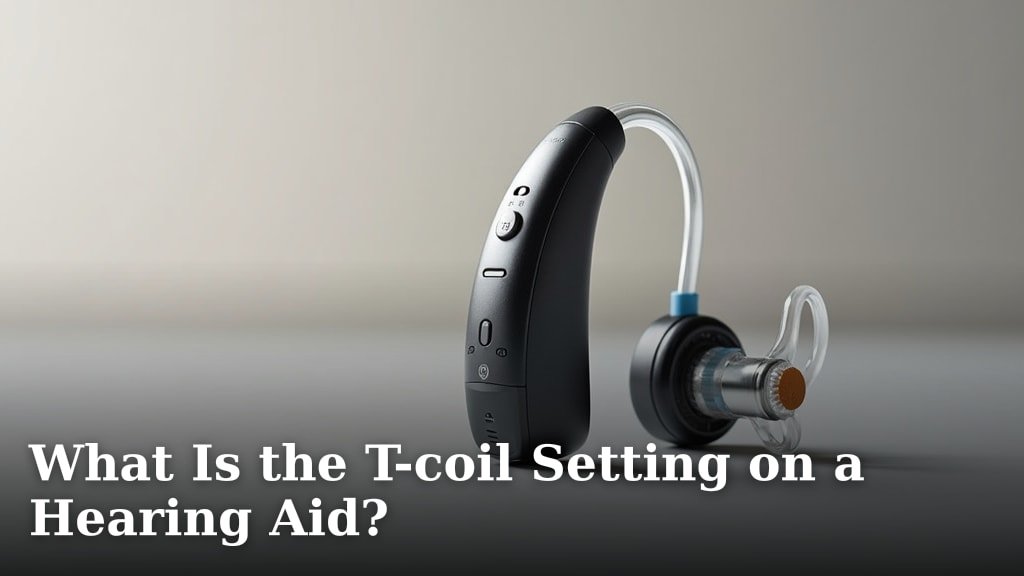
A hearing aid is a sophisticated electronic device. It’s worn in or behind the ear. Its main job is to make sounds audible again for people with hearing loss. But it’s not just about making things louder. It’s about making the right sounds clearer.
These devices are highly customizable. They are programmed based on a thorough hearing test called an audiogram. This test shows exactly which frequencies you struggle to hear and by how much. Your audiologist uses this information to fine-tune the hearing aid to your unique hearing profile.
How Hearing Aids Work: Precision Tuning for Your Ears
Inside a hearing aid, there’s a microphone. This picks up sounds from your environment. Then, a sound processor converts these sounds. It adjusts them based on your prescription. Finally, a speaker (or receiver) sends the amplified and processed sound into your ear canal.
Modern hearing aids are packed with advanced features. Many can reduce background noise. They can also isolate speech frequencies. Some even connect wirelessly to your phone or TV. This level of technological integration is a key differentiator.
Customization is Key
The custom-fit nature of hearing aids is perhaps their most defining characteristic. They aren’t just adjusted; they are programmed. This programming corrects specific patterns of hearing loss. It ensures that the sounds you need to hear most, like speech, are delivered clearly and comfortably.
Medical Device Status
It’s important to remember that hearing aids are considered medical devices. This means they require a professional evaluation. You’ll typically need to see an audiologist. They will conduct tests and help you select and fit the right device. This professional guidance ensures the device is safe and effective for your specific needs.
Types of Hearing Aids
Hearing aids come in various styles. Each style offers different levels of features and discreetness. We found that understanding these styles can help you picture yourself using one.
- Behind-the-Ear (BTE): These are the most common. They hook over the top of your ear. A clear tube connects to an earmold inside your ear. They are good for all types of hearing loss and often have more features.
- In-the-Ear (ITE): These fit into the outer ear bowl. They are custom-made to fit your ear. They are larger than other custom styles, making them easier to handle.
- In-the-Canal (ITC) and Completely-in-Canal (CIC): These are much smaller. They fit into the ear canal. They are very discreet. However, they may not have all the advanced features of larger BTE models.
Pocket Talkers: Your Portable Sound Booster
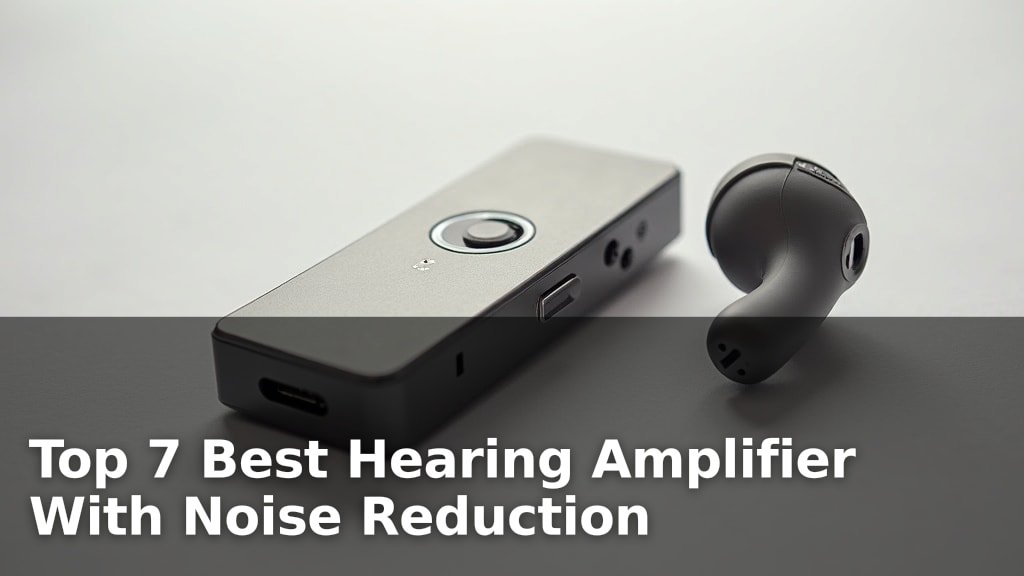
Now, let’s look at Pocketalkers. These devices are essentially personal amplifiers. They are designed to boost sounds around you. Think of them as a volume knob for your ears, but not a finely tuned one.
A Pocketalker typically consists of a main unit with a microphone and controls. It often has a headphone or earpiece. You hold the main unit or place it near the sound source. The device then amplifies the sound, sending it directly to your headphones. This makes nearby conversations or sounds much easier to hear.
How Pocketalkers Work: Simple Sound Enhancement
The operation is quite straightforward. A Pocketalker’s built-in microphone picks up sound. This sound is then immediately amplified. You hear the amplified sound through connected headphones or earbuds. There are usually simple controls for adjusting the volume.
Unlike hearing aids, Pocketalkers do not process sound based on specific hearing loss patterns. They simply increase the overall volume of whatever the microphone picks up. This means background noise can also become louder, which might be less ideal in noisy environments.
Portability and Ease of Use
One of the biggest advantages of Pocketalkers is their portability and simplicity. They are generally smaller and easier to use than hearing aids. You don’t need a prescription or fitting from an audiologist. You can buy them off the shelf and start using them right away. This makes them a convenient option for temporary or situational hearing assistance.
Situational Applications
Pocketalkers are often used in specific situations. These include visiting a noisy restaurant, attending a lecture, or watching TV at home. They can also be helpful for individuals with mild hearing difficulties. These difficulties might not yet warrant a full hearing aid fitting. Many experts suggest they can be a good bridge to professional help.
When a Pocketalker Might Be a Good Choice
We’ve seen that Pocketalkers shine in situations where you just need a general boost in volume. Are you struggling to hear your grandkids across the dinner table? A Pocketalker could help. Do you wish the TV volume wasn’t so loud for others, but you need it louder for yourself? A Pocketalker with headphones might be your answer.
They are a good option if you:
- Need a simple way to boost sound for specific activities.
- Are waiting for a hearing aid evaluation.
- Have mild hearing difficulties that aren’t always bothersome.
- Prefer a device you can use without professional fitting.

Key Differences at a Glance
To really solidify the differences, let’s break them down side-by-side. This table highlights the main distinctions you’ll want to consider when making your choice.
| Feature | Hearing Aid | Pocketalker |
|---|---|---|
| Type of Device | Medical device, prescription required (typically) | Personal sound amplifier, no prescription needed |
| Customization | Highly personalized, programmed to specific hearing loss | General volume boost, not personalized |
| Technology | Advanced noise reduction, feedback cancellation, speech enhancement | Basic sound amplification |
| Sound Processing | Analyzes and modifies sound frequencies for clarity | Simply makes sounds louder |
| Fit | Custom-molded or fitted by a professional | Worn with headphones or earpieces, not fitted to the ear itself |
| Cost | Generally higher, can be covered by insurance/financing | Generally lower, usually out-of-pocket |
| Regulation | Regulated by FDA as medical devices | Not regulated as medical devices |
Target User and Purpose
Hearing aids are for individuals with diagnosed hearing loss. Their purpose is to restore audibility and improve communication. They aim to make speech clearer and reduce listening effort.
Pocketalkers are for anyone who needs a temporary sound boost. They are useful for situational hearing challenges. They don’t treat hearing loss; they just make sounds louder.
Regulation and Professional Guidance
As we mentioned, hearing aids are regulated medical devices. The FDA oversees them. This means they come with certain standards and require professional oversight. This is to ensure your safety and the device’s effectiveness (FDA).
Pocketalkers, being personal sound amplifiers, are not regulated in the same way. While they are safe to use, they lack the medical scrutiny and professional fitting that hearing aids offer. This is a key difference to keep in mind when considering your long-term hearing health.
Which Device Is Right for You?
Deciding between a hearing aid and a Pocketalker comes down to your individual needs and circumstances. Ask yourself some questions to guide your decision.
- Do you have a confirmed hearing loss diagnosis?
- Are you looking for a long-term solution to improve your overall hearing ability?
- Do you want a device that reduces background noise and enhances speech clarity?
- Are you open to a professional audiology evaluation and fitting?
If you answered yes to these questions, a hearing aid is likely your best option. It offers a tailored solution to address your specific hearing loss.
On the other hand, consider a Pocketalker if:
- You only need occasional help hearing in specific noisy situations.
- You want a simple, affordable device for immediate use.
- You are not ready for a professional hearing aid fitting.
- You want to boost sound for activities like watching TV or attending a lecture.
Ultimately, a hearing aid is a sophisticated medical solution for hearing loss. A Pocketalker is a straightforward tool for enhancing sound volume in certain situations. We found that understanding these core differences is the first step to finding the hearing assistance that best suits your lifestyle.
Conclusion
You’ve learned that hearing aids are personalized medical devices designed to correct specific hearing loss, while Pocketalkers are simpler, portable amplifiers for general sound boosting. Your audiologist plays a key role in tailoring hearing aids to your unique needs. Pocketalkers offer a quick, accessible way to enhance sound in various situations without professional fitting.
Ultimately, the best choice depends on your individual hearing journey. If you suspect hearing loss or need a tailored solution, schedule an appointment with an audiologist. If you need a temporary, situational sound boost, a Pocketalker might be a good starting point.
Frequently Asked Questions
Can a Pocketalker be used instead of a hearing aid?
A Pocketalker can be a useful temporary solution for situations where you need a volume boost. However, it’s not a replacement for a hearing aid if you have diagnosed hearing loss. Hearing aids are medically programmed to address your specific hearing loss patterns for optimal clarity.
Do I need a doctor to buy a Pocketalker?
No, you do not need a doctor or an audiologist to purchase a Pocketalker. They are considered personal sound amplifiers and are available over-the-counter. This makes them easy to acquire for immediate use.
Are Pocketalkers safe for my ears?
Pocketalkers are generally safe to use when operated responsibly. Always start with the volume at a low setting and gradually increase it as needed. Avoid prolonged listening at excessively high volumes to protect your hearing from potential damage.
Can a hearing aid help with background noise?
Yes, modern hearing aids are equipped with advanced features designed to reduce background noise. They can often isolate and enhance speech frequencies, making it easier for you to hear conversations even in noisy environments.
What happens if I just want to try something before seeing an audiologist?
A Pocketalker can be a good option if you’re unsure about seeking professional help. It allows you to experience amplified sound in different settings. Many people find it a helpful first step in understanding their hearing needs before committing to a hearing aid evaluation.