What Is the Difference Between a Hearing Aid and a Cochlear Implant?
On this page (7 sections)
- Understanding the Core Differences: Hearing Aids vs. Cochlear Implants
- How Hearing Aids Work Their Magic
- When Hearing Aids Aren’t Enough: Introducing Cochlear Implants
- Direct Comparison: Hearing Aid vs. Cochlear Implant at a Glance
- Making the Right Choice for Your Hearing Health
- Conclusion
- Frequently Asked Questions
The main difference between a hearing aid and a cochlear implant is how they help you hear. A hearing aid makes sounds louder for those with mild to severe hearing loss. A cochlear implant bypasses damaged parts of the ear. It directly stimulates the hearing nerve for people with severe to profound hearing loss.
You might be wondering which one is right for you. We found that the choice depends on the type and degree of your hearing loss. Hearing aids work by amplifying sound waves. Cochlear implants are surgically implanted devices that convert sound into electrical signals. They are for ears that can’t be helped by hearing aids.
- Hearing aids amplify sound for mild to severe hearing loss.
- Cochlear implants bypass damaged ear parts for severe to profound loss.
- Hearing aids are non-surgical devices worn externally.
- Cochlear implants require surgery and have external and internal components.
- The best option depends on your specific hearing needs.
Let’s break down exactly how each of these amazing devices works and help you understand their differences.
Understanding the Core Differences: Hearing Aids vs. Cochlear Implants
You’re curious about how hearing aids and cochlear implants help people hear. It’s a great question! While both devices aim to improve your ability to perceive sound, they work in very different ways. Think of it like this: a hearing aid is like a good pair of reading glasses, while a cochlear implant is more like a whole new lens system for your eye.
We’ve found that the biggest distinction lies in how they address hearing loss. Hearing aids boost existing sound signals. Cochlear implants create a new pathway for sound to reach your brain. This fundamental difference makes them suitable for different types and severities of hearing impairment. We’ll walk you through each one.
How Hearing Aids Work Their Magic
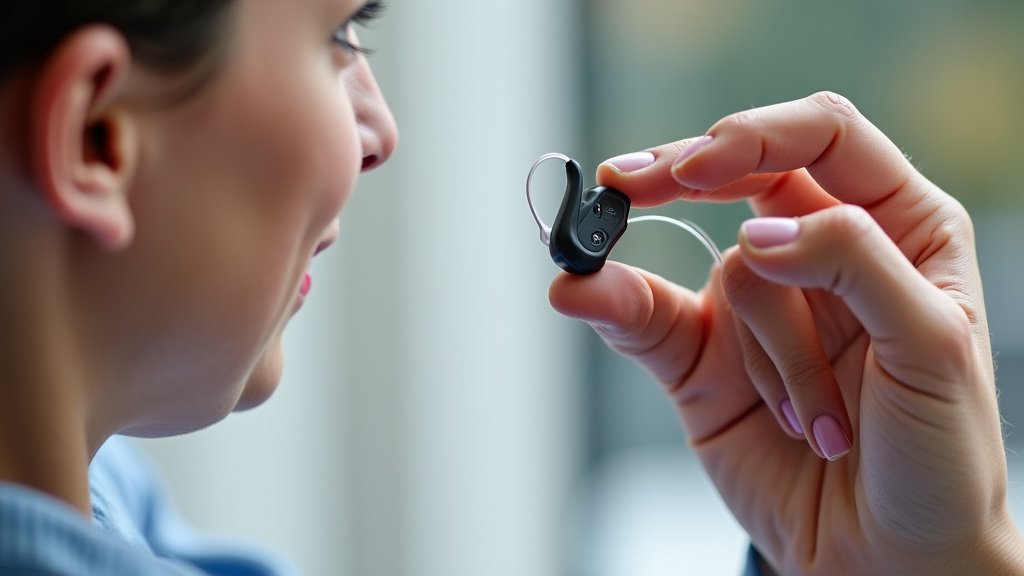
Let’s start with hearing aids. These are the most common devices prescribed for hearing loss. They are designed to make sounds louder and clearer for individuals whose hearing loss is mild to severe. They are non-surgical and worn externally, usually behind your ear or within the ear canal.
The Inner Workings of a Hearing Aid
Inside a hearing aid, there are a few key components. A microphone picks up sound from your environment. This sound is then sent to an amplifier, which increases its volume. Finally, a speaker, or receiver, delivers the amplified sound into your ear canal.
- Microphone: Captures sound waves.
- Amplifier: Increases the volume of the sound.
- Receiver/Speaker: Delivers sound to your ear.
- Battery: Powers the device.
Who Benefits Most from Hearing Aids?
Hearing aids are a fantastic solution for people with sensorineural hearing loss. This type of hearing loss occurs when there is damage to the tiny hair cells in the cochlea. These cells are crucial for converting sound vibrations into electrical signals your brain can understand. When these cells are damaged, the signals they send are weak or distorted. Hearing aids compensate by making these weak signals stronger.
If your hearing loss is mild, moderate, or even severe, a well-fitted hearing aid can make a world of difference. You’ll notice improved speech clarity. Everyday sounds like birds chirping or a doorbell ringing will become more audible. We found that modern hearing aids can even be programmed to reduce background noise. This helps you focus on conversations in noisy environments.
When Hearing Aids Aren’t Enough: Introducing Cochlear Implants
Sometimes, hearing loss is so profound that even the loudest amplified sound can’t help. This is where cochlear implants come in. They are a sophisticated medical device for those with severe to profound hearing loss, particularly when hearing aids provide little to no benefit. Unlike hearing aids, cochlear implants work differently by bypassing the damaged parts of the ear.
The Surgical Nature of Cochlear Implants
A cochlear implant is not just a wearable device. It’s a surgically implanted system. This means it requires an operation to place some of its components. This is a significant difference from hearing aids, which are purely external.
Components of a Cochlear Implant System
A cochlear implant has two main parts: an external component and an internal component. The external part is worn behind the ear, much like a hearing aid. It includes a microphone, a speech processor, and a transmitter. The internal part is surgically placed under the skin. It includes a receiver/stimulator and an electrode array.
- External Microphone: Picks up sound.
- Speech Processor: Converts sound into digital signals.
- Transmitter: Sends signals through the skin.
- Internal Receiver/Stimulator: Receives signals and converts them to electrical pulses.
- Electrode Array: Sits in the cochlea and stimulates the hearing nerve.
How Cochlear Implants Bypass Damaged Hearing Structures
Here’s where the true difference shines. In a healthy ear, sound travels through the ear canal, vibrates the eardrum, and moves the tiny bones in the middle ear. These vibrations then reach the cochlea, where hair cells turn them into electrical signals. These signals go to the brain via the auditory nerve. With severe damage to the cochlea’s hair cells, this natural process breaks down.
A cochlear implant bypasses the damaged hair cells altogether. The external speech processor converts sound into electrical signals. These signals are sent through the skin to the internal receiver. The internal receiver then transmits these signals to the electrode array in the cochlea. This array directly stimulates the auditory nerve. The brain then interprets these electrical signals as sound. Many reputable health organizations, like the National Institute on Deafness and Other Communication Disorders (NIDCD), explain this process. The brain interprets these electrical signals as sound, and you can retrain your brain for better hearing outcomes.
Who is a Candidate for a Cochlear Implant?
Cochlear implants are typically recommended for individuals with profound hearing loss in both ears. They are also for people who do not receive enough benefit from even the most powerful hearing aids. Children born with severe to profound hearing loss are often candidates. Adults who experience a loss of hearing later in life may also benefit. A thorough evaluation by an audiologist and an otolaryngologist (ear doctor) is essential to determine candidacy.
Direct Comparison: Hearing Aid vs. Cochlear Implant at a Glance
To help you see the differences clearly, let’s put them side-by-side. This table summarizes the key distinctions.
| Feature | Hearing Aid | Cochlear Implant |
|---|---|---|
| Purpose | Makes sounds louder for mild to severe hearing loss. | Bypasses damaged ear parts to directly stimulate the hearing nerve for severe to profound hearing loss. |
| Mechanism | Amplifies existing sound waves. | Converts sound into electrical signals to stimulate the auditory nerve. |
| Surgical Requirement | No surgery needed; worn externally. | Requires surgery to implant internal components. |
| Target Hearing Loss | Mild to severe sensorineural hearing loss. | Severe to profound sensorineural hearing loss where hearing aids are insufficient. |
| Components | External microphone, amplifier, speaker, battery. | External processor, transmitter; internal receiver, electrode array. |
Making the Right Choice for Your Hearing Health
Deciding between a hearing aid and a cochlear implant is a significant step. It’s a decision that involves understanding your specific hearing loss profile. Your audiologist will be your guide in this process. They will conduct comprehensive tests to assess the degree and type of your hearing loss.
We found that many people start with hearing aids. If, over time, their benefit diminishes, a cochlear implant might then be considered. For others, the severity of their hearing loss may point towards a cochlear implant from the outset. It’s about finding the technology that offers you the best possible access to sound.
Factors to Consider
When you’re discussing options with your doctor, consider these points:
- The results of your hearing tests.
- How much benefit you currently get from hearing aids, if any.
- Your overall health and suitability for surgery.
- Your lifestyle and communication needs.
- Your expectations for the outcomes of each device.
It’s not a one-size-fits-all situation. We’ve seen that a personalized approach leads to the most successful outcomes. Your journey to better hearing is unique. Therefore, your solution should be too.
A Checklist for Your Hearing Health Journey
As you explore your options, keep these steps in mind:
- Schedule a comprehensive hearing evaluation with an audiologist.
- Discuss your lifestyle and communication goals openly.
- Understand the differences between amplification and direct nerve stimulation.
- Ask about the surgical process and recovery for cochlear implants.
- Inquire about the costs and insurance coverage for both options.
- Follow your audiologist’s recommendations carefully.
Conclusion
Understanding the difference between hearing aids and cochlear implants is key to finding the right solution for your hearing needs. Remember, hearing aids amplify existing sound for mild to severe loss, while cochlear implants bypass damaged parts of the ear to directly stimulate the hearing nerve for severe to profound loss. Your journey to better hearing is personal. We’ve seen that the best outcomes come from a personalized approach. Your next step is to schedule a hearing evaluation with an audiologist. They will guide you through the options based on your unique hearing profile and lifestyle.
Frequently Asked Questions
Can I switch from a hearing aid to a cochlear implant if my hearing gets worse?
Yes, it’s possible. If you currently use hearing aids but they no longer provide enough benefit, an audiologist and ear doctor can evaluate you for a cochlear implant. This is a common path for individuals whose hearing loss progresses.
Are cochlear implants painful to wear after surgery?
The internal part is surgically implanted and not felt. The external part is worn behind the ear, similar to a hearing aid. While there may be an adjustment period, most users find them comfortable once they get used to them.
Will a cochlear implant make my hearing sound perfectly normal?
Cochlear implants provide access to sound, but they don’t restore natural hearing. The sound quality can be different from natural hearing, and it takes time and practice with rehabilitation to learn to interpret the new auditory information.
How long does it take to adjust to a cochlear implant?
Adjustment varies for everyone. Some people notice improvements quickly, while others take several months to a year to fully adapt to the sound. Consistent therapy and practice are very important for success.
Are there any non-surgical options for severe to profound hearing loss?
For severe to profound hearing loss, hearing aids are typically the first option explored. If hearing aids do not provide sufficient benefit, and you are not a candidate for or do not wish to have surgery for a cochlear implant, other assistive listening devices might be discussed with your audiologist.