What Is an Fm Listening System?
On this page (6 sections)
An FM listening system is a type of assistive listening device that uses radio waves to transmit sound directly to a receiver worn by the listener. This boosts the clarity of speech and other sounds, making them easier to understand, especially in noisy environments or at a distance. They are often used by individuals with hearing loss to improve their ability to hear conversations and presentations.
These systems work by having a transmitter that picks up sound from a microphone and broadcasts it on a specific FM frequency. A portable receiver, usually paired with headphones or a hearing aid, tunes into that frequency. This direct transmission bypasses background noise, offering a much clearer audio experience than simply turning up the volume on ambient sounds.
- FM listening systems transmit sound via radio waves.
- They help people with hearing loss hear better in difficult settings.
- Sound is sent directly to a receiver, reducing background noise.
- They are helpful for conversations, lectures, and performances.
We found that understanding how these systems work can really help you decide if one is right for you. Let’s walk through exactly how this technology helps bridge the gap in hearing.
How an FM Listening System Works Its Magic
So, you’re curious about how these FM listening systems actually get sound from point A to point B. It’s actually quite clever and not nearly as complicated as it might sound. Think of it like a mini radio station dedicated just to you.
The basic idea is simple: sound is converted into radio waves. These waves are then sent wirelessly to a receiver. The receiver turns the radio waves back into sound. This direct path means you get a much clearer signal. It’s like having a private phone line for conversations.
The Transmitter: Your Personal Sound Booth
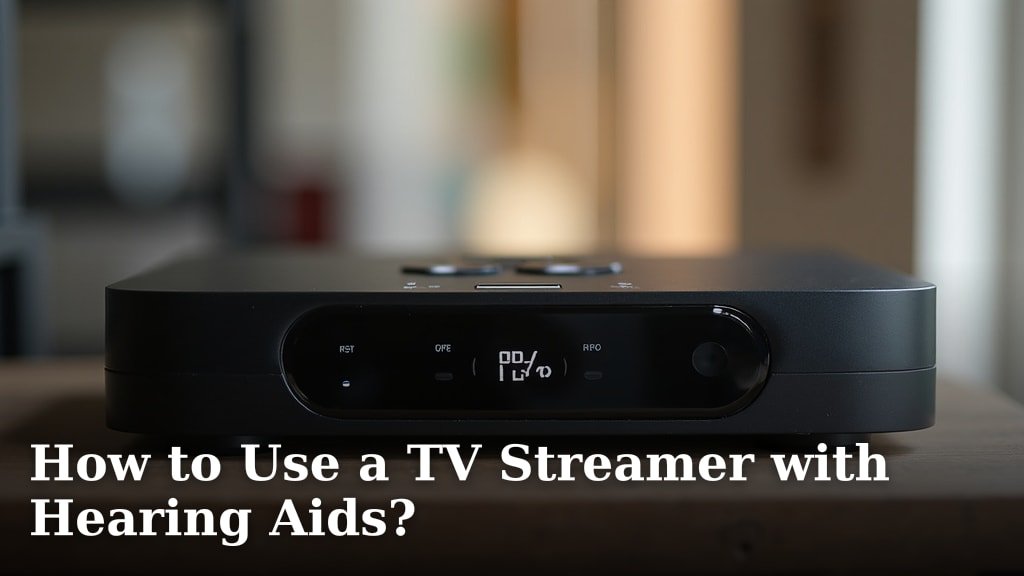
Every FM system starts with a transmitter. This is the part that picks up the sound you want to hear. Usually, it has a microphone attached. This microphone can be worn by the speaker. Or, it can be placed in the center of a table. Some systems even let you connect directly to a sound source.
We found that the microphone is key to the whole process. If the microphone is close to the sound source, the signal is strong. This is why placing it near the speaker’s mouth is so effective. The transmitter then takes this audio signal. It broadcasts it as radio waves. These waves travel on a specific FM frequency. You can think of this frequency like a specific channel on a radio.
The Receiver: Your Personal Audio Hub
Next up is the receiver. This is the device the listener actually uses. It’s a small, portable unit. The receiver is designed to pick up the FM radio waves. You tune it to the same frequency as the transmitter. It’s like tuning your car radio to your favorite station.
Once tuned, the receiver captures the radio signal. It then converts these waves back into sound. This sound is then sent to your ears. This usually happens through headphones or earbuds. Sometimes, the receiver can also connect wirelessly to hearing aids. This is a major advantage for hearing aid users. They can get a direct feed without feedback.
Connecting to Your Ears
The way the sound gets to your ears is important. Most receivers use headphones or earbuds. These are similar to what you might use with a phone. They deliver the sound directly into your ear canal. This helps to block out some ambient noise. It’s like having earplugs that also play clear sound.
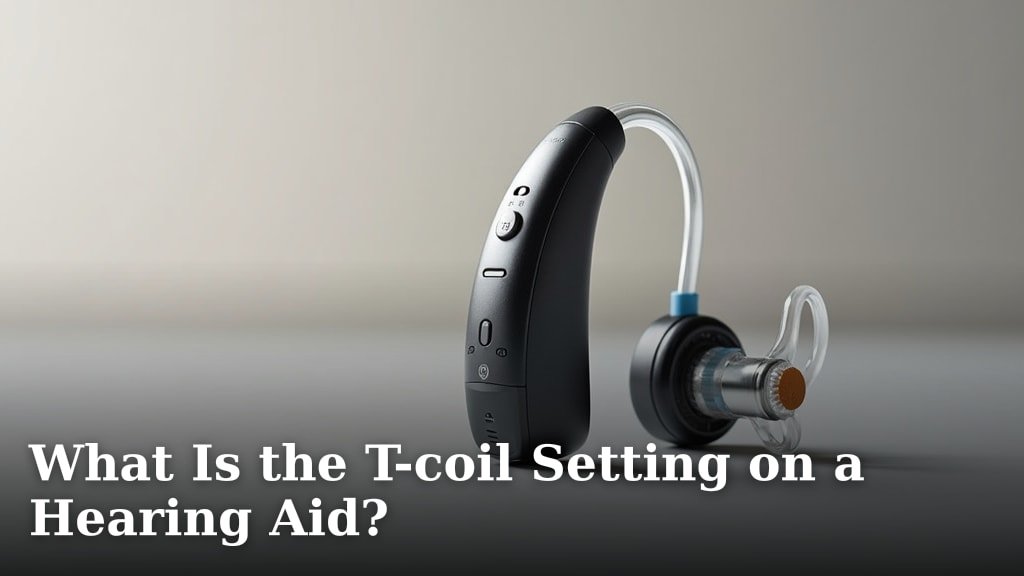
For people who wear hearing aids, there’s often a special connection. This is called a telecoil or T-coil. Many modern hearing aids have this feature. When a receiver is set to T-coil mode, it sends the sound directly into the hearing aid. This bypasses the hearing aid’s own microphone. It delivers a super clear signal. Many experts say this is the most effective way for hearing aid users to benefit (CDC).
The FM Frequency: Your Dedicated Channel
The “FM” in FM listening system stands for Frequency Modulation. This is the technology used to broadcast the sound. It’s the same basic technology used in FM radio. However, these systems use much shorter ranges. They are designed for personal use. Think of it as a private radio station.
Each system operates on a specific frequency. For example, it might be on 72.5 MHz. Or it could be on 74.0 MHz. The transmitter broadcasts on this frequency. The receiver must be tuned to this exact frequency. This ensures you hear the intended sound. It also helps prevent interference from other sources. Many guidelines suggest using dedicated frequencies when possible (NIH).
Why a Dedicated Frequency Matters
Having a dedicated frequency is crucial. It means the sound you’re receiving is clean. It’s not mixed with other ambient sounds. Imagine trying to listen to a conversation in a loud restaurant. Your brain has to work hard to pick out the words. An FM system cuts through that noise. It delivers the speaker’s voice directly to you.
Research has shown that reducing background noise is key for speech understanding. Especially for people with hearing loss. This is where the FM system really shines. It’s like having a volume knob for every sound. You can turn down the chatter and turn up the speaker.
Putting the Components Together: A Simple Flow
Let’s trace the journey of sound through an FM system. It helps to visualize the steps. It’s a really straightforward process once you see it laid out.
Step 1: Sound Capture
It all starts with sound. Someone speaks, music plays, or a presentation begins. The microphone on the transmitter picks up these sounds. The closer the microphone is to the source, the better the capture. This is a fundamental principle of audio.
Step 2: Signal Transmission
The transmitter takes the captured sound. It converts it into radio waves. These waves are then broadcast on a specific FM frequency. This broadcast is wireless. It travels through the air. The range is usually limited to a room or a small area.
Step 3: Signal Reception
The listener wears the receiver. They tune it to the correct FM frequency. The receiver picks up the broadcast radio waves. It’s now actively listening on that dedicated channel.
Step 4: Sound Delivery
The receiver converts the radio waves back into audible sound. This sound is delivered through headphones, earbuds, or directly to hearing aids. You hear the clear, amplified sound. Many studies highlight the improved speech intelligibility this provides (NCBI).
When Are FM Listening Systems Most Helpful?
While FM systems are fantastic, they aren’t always necessary. Their real strength lies in specific situations. Understanding these can help you decide if one is right for your needs.
Challenging Listening Environments
These systems excel in places with lots of background noise. Think of a busy classroom. Or a noisy lecture hall. Even a restaurant can be difficult. In these settings, ambient sounds compete with speech. An FM system cuts through the clutter. It lets you focus on what’s important. We found that many users report significant relief in such places.
Distance from the Sound Source
When the speaker is far away, the sound naturally gets weaker. It also picks up more background noise along the way. An FM system overcomes this. The transmitter is usually close to the speaker. The sound is sent directly to you. Distance becomes much less of a barrier. This is why they are often used in churches or auditoriums.
For Individuals with Hearing Loss
People with hearing loss often struggle the most. Their ears may not process sound clearly. Or they may have difficulty distinguishing speech from noise. FM systems provide a much-needed boost. They deliver a clear, strong signal. This makes understanding much easier. Experts at the Mayo Clinic often recommend assistive listening devices for this reason.
Specific Use Cases
Beyond general use, they are perfect for:
- Classrooms: Helping students hear teachers clearly.
- Lectures: Ensuring everyone in a large hall can follow along.
- Religious Services: Allowing congregants to hear sermons and readings.
- Theaters and Concerts: Providing clearer audio for performances.
- One-on-One Conversations: In noisy social settings.
A Quick Checklist: Is an FM System for You?
Consider these points:
- Do you often struggle to hear in noisy places?
- Do you miss parts of conversations or lectures?
- Is the sound often too far away or muffled?
- Do hearing aids alone not fully solve your listening challenges?
- Would a direct audio feed improve your understanding?
- Are you looking for a way to reduce listening effort?
Conclusion
You’ve learned how FM listening systems work by using radio waves to deliver clear sound directly to you. They’re a fantastic tool for overcoming background noise and distance. Remember, these systems are especially helpful in challenging environments like classrooms or lectures. If you often struggle to hear clearly in these situations, an FM system could make a big difference. We encourage you to talk to your audiologist or a hearing healthcare professional about whether an FM system is the right choice for your specific hearing needs. Taking this step can help you reconnect with conversations and enjoy sounds more fully.
Frequently Asked Questions
Can an FM listening system be used with any hearing aid?
Many FM listening systems are designed to be compatible with most modern hearing aids. Look for systems that offer a telecoil (T-coil) connection, as this is often the most effective way for hearing aid users to receive the direct audio feed. Always check compatibility between the specific FM system and your hearing aid model.
How far can an FM listening system transmit sound?
The range of an FM listening system is typically limited to a personal space, often within a single room or a small area. While it’s not designed for long-distance broadcasting, this focused range ensures a strong, clear signal for the listener without interfering with others nearby.
What’s the difference between an FM listening system and a Bluetooth device?
While both are wireless, FM systems use radio waves on specific frequencies for direct audio transmission, which is highly effective at cutting through background noise. Bluetooth devices typically use shorter-range, more complex pairing protocols and can sometimes be more susceptible to interference in noisy environments.
Do I need a special license to use an FM listening system?
No, for personal use in typical assistive listening scenarios, you do not need a special license to operate an FM listening system. The frequencies used are generally permitted for these applications without requiring individual licensing, making them readily accessible for those who need them.
Can an FM listening system help with tinnitus?
While FM listening systems are primarily designed to improve audibility of external sounds, some users find that the clear, direct audio can help mask or distract from the perception of tinnitus. The reduction in listening effort can also lead to less fatigue, which sometimes exacerbates tinnitus for some individuals.