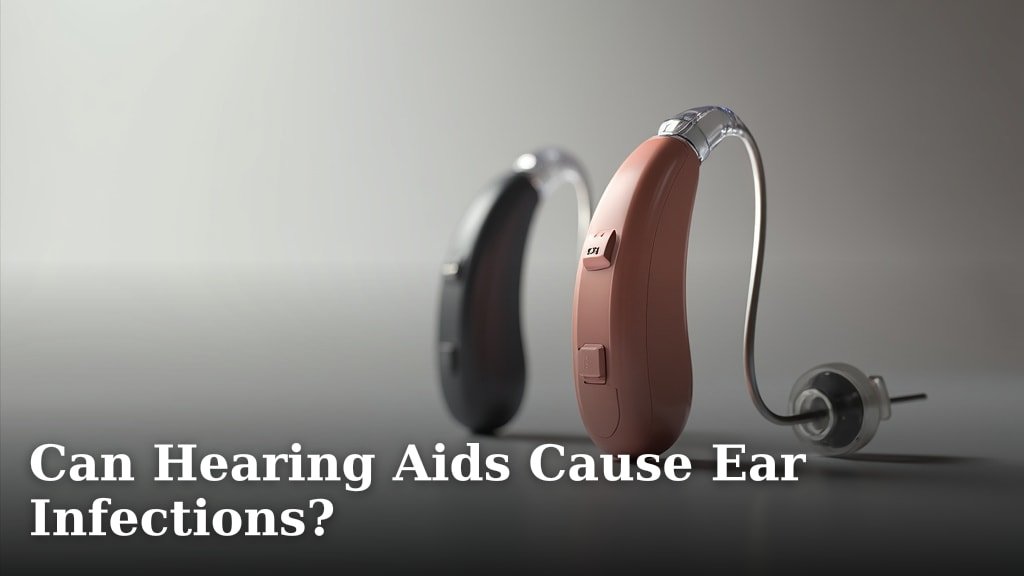
What Is Sensorineural Hearing Loss?
On this page (9 sections)
- Understanding Inner Ear and Nerve Hearing Damage
- What Exactly Is Sensorineural Hearing Loss?
- Common Causes of Sensorineural Hearing Loss
- How Is Sensorineural Hearing Loss Diagnosed?
- What Are the Symptoms to Watch For?
- Treatment and Management Options
- Protecting Your Hearing for the Future
- Conclusion
- Frequently Asked Questions
Sensorineural hearing loss is a common type of hearing impairment. It happens when there’s damage to your inner ear or the nerve pathways. This nerve pathways carry sound information from your ear to your brain. It’s often permanent and can affect one or both ears.
This condition is the most common cause of hearing loss in adults. It can range from mild to severe. Factors like aging and loud noise exposure are common culprits. But sometimes, the cause remains a mystery.
- Sensorineural hearing loss means damage to the inner ear or hearing nerve.
- It’s the most frequent kind of hearing loss.
- Loud noises and aging are major causes.
- It can be permanent and affect one or both ears.
We’re here to help you understand sensorineural hearing loss better. Let’s walk through exactly what it is, what causes it, and what you can do.
Understanding Inner Ear and Nerve Hearing Damage
Sensorineural hearing loss (SNHL) is the most common type of hearing impairment. It happens when there’s damage to your inner ear or the nerve pathways. These pathways carry sound information from your ear to your brain. It’s often permanent and can affect one or both ears. This condition is the most frequent cause of hearing loss in adults. It can range from mild to severe. Factors like aging and loud noise exposure are common culprits. But sometimes, the cause remains a mystery.
What Exactly Is Sensorineural Hearing Loss?
Think of your ear like a sophisticated sound recording studio. Sound waves enter your ear canal and cause your eardrum to vibrate. These vibrations travel through tiny bones in your middle ear. Then, they reach the cochlea in your inner ear. The cochlea is a snail-shaped structure filled with fluid and thousands of tiny hair cells. These hair cells are the stars of the show. They convert the vibrations into electrical signals. These signals then travel up the auditory nerve to your brain. Your brain interprets these signals as sound.
Sensorineural hearing loss occurs when there’s a problem with this intricate process. Specifically, it means damage has occurred to the cochlea (the inner ear part) or the auditory nerve. This damage prevents sound signals from being transmitted clearly to the brain. Imagine trying to send a clear radio signal, but the transmitter or the antenna is broken. The message gets garbled or doesn’t get through at all.
This type of hearing loss is different from conductive hearing loss. Conductive hearing loss involves problems in the outer or middle ear. It’s like a blockage preventing sound from reaching the inner ear. SNHL, on the other hand, is about the internal processing of sound. For a side-by-side explanation, see our guide to conductive and sensorineural hearing loss.
The Role of Hair Cells
Those tiny hair cells in the cochlea are incredibly delicate. They are responsible for detecting different sound frequencies. Each hair cell is tuned to a specific pitch. When they are damaged or die, they don’t grow back. This is a key reason why sensorineural hearing loss is often permanent. Losing these hair cells means you lose the ability to hear certain sounds or pitches. It can make speech sound muffled or difficult to understand, especially in noisy environments.
The Auditory Nerve Connection
The auditory nerve acts like the cable connecting the cochlea to the brain. If this nerve is damaged, the electrical signals can’t make it to the brain. This can happen due to various reasons. Sometimes it’s a result of injury, tumors, or certain medical conditions. When the nerve is affected, even if the cochlea is working fine, you will experience hearing loss.
Common Causes of Sensorineural Hearing Loss
Several factors can contribute to SNHL. Understanding these causes can help you take steps to protect your hearing. Many of these are common and affect a large portion of the population as they age.
Aging (Presbycusis)
This is perhaps the most widespread cause of SNHL. As we get older, the structures in our inner ear naturally begin to wear down. The hair cells can become damaged or die off over time. This gradual deterioration typically affects higher frequencies first. It often starts subtly. You might first notice difficulty hearing high-pitched sounds or understanding speech in group settings. Research shows that by age 65, about one in three adults experience some degree of hearing loss (National Institute on Aging).
Exposure to Loud Noise
This is another major culprit, and it can happen at any age. Constant exposure to loud sounds, whether from work, hobbies, or everyday life, can damage the delicate hair cells. Think of it like overplaying a musical instrument. Eventually, it starts to sound distorted. Sounds above 85 decibels (dB) can potentially cause damage over time. This includes things like loud concerts, power tools, firearms, or even prolonged use of headphones at high volumes. Noise-induced hearing loss is often preventable.
Workplace Noise
Many professions involve loud machinery or environments. Construction workers, factory employees, musicians, and military personnel are at higher risk. Following safety guidelines and using hearing protection is essential in these situations.
Recreational Noise
It’s not just work! Think about attending loud sporting events, listening to music at high volumes on your earbuds, or using noisy lawn equipment. Even these seemingly common activities can contribute to hearing damage over time if not managed carefully. It’s important to be aware of the noise levels around you.
Genetics and Heredity
Sometimes, hearing loss can be passed down through families. Certain genetic factors can make individuals more susceptible to SNHL or cause it to develop at a younger age. This is known as hereditary hearing loss. It can be present from birth or develop later in life.
Certain Medications (Ototoxicity)
Some medications can be toxic to the inner ear. This is called ototoxicity. Certain antibiotics, chemotherapy drugs, and even high doses of aspirin can potentially damage the cochlea or auditory nerve. If you are taking medications that are known to be ototoxic, your doctor will likely monitor your hearing. It’s always wise to discuss potential side effects with your healthcare provider.
Medical Conditions and Illnesses
Various medical conditions can lead to SNHL. These include:
- Meniere’s disease: An inner ear disorder that can cause dizziness, tinnitus, and hearing loss.
- Meningitis: An infection that can damage the auditory nerve.
- Autoimmune inner ear disease: Where your body’s immune system attacks your inner ear.
- Tumors: Such as acoustic neuromas, which grow on the auditory nerve.
- Viral infections: Like measles, mumps, or cytomegalovirus (CMV) can affect hearing.
Head Trauma and Injury
A severe blow to the head can sometimes damage the structures of the inner ear or the auditory nerve. This can result in sudden or gradual hearing loss.
How Is Sensorineural Hearing Loss Diagnosed?
If you suspect you have hearing loss, it’s important to see a healthcare professional. An audiologist is a hearing specialist who can perform tests to determine the type and degree of your hearing loss. The most common diagnostic tool is a hearing test, also known as an audiogram.
The Audiogram Test
During an audiogram, you’ll sit in a soundproof booth. You’ll wear headphones. You’ll be asked to signal when you hear a sound. The audiologist will play different tones at varying volumes. They will also present speech sounds. This test helps map out your ability to hear different frequencies and intensities. It’s a vital step in understanding your hearing health. Research from the American Academy of Audiology highlights the audiogram as the cornerstone of hearing assessment.
Other Diagnostic Tools
Depending on your situation, an audiologist might also recommend other tests. These could include tympanometry (to check middle ear function), otoacoustic emissions (to assess cochlear health), or auditory brainstem response (ABR) testing. Sometimes, your doctor might order imaging tests like an MRI to rule out other causes.
What Are the Symptoms to Watch For?
Sensorineural hearing loss can manifest in various ways. The symptoms often depend on the severity and the specific parts of the ear or nerve affected. Here’s what you might experience:
- Difficulty understanding conversations, especially in noisy places.
- Muffled or unclear speech.
- Trouble hearing high-pitched sounds (like birds chirping or a doorbell).
- Ringing or buzzing in the ears (tinnitus).
- Needing to turn the TV or radio volume up much higher than others.
- Feeling like people are mumbling.
- Problems hearing on the phone.
It’s important to remember that hearing loss often develops gradually. You might not notice it at first. Others might point out that you’re having trouble hearing before you do.
Treatment and Management Options
While sensorineural hearing loss is often permanent, there are effective ways to manage it. The goal is to improve your ability to communicate and enjoy life. Hearing aids are the most common solution. For more severe cases, other options may be available. For those new to hearing loss management, understanding the best hearing aids for first-time users is a good next step.
Hearing Aids
Modern hearing aids are sophisticated devices. They amplify sounds, making them clearer and easier to hear. They come in various styles and technological levels. An audiologist can help you choose the best hearing aid for your specific needs and lifestyle. Many hearing aids can be programmed to address the specific frequencies you struggle with most. They also offer features like noise reduction and Bluetooth connectivity.
Cochlear Implants
For individuals with severe to profound hearing loss who don’t benefit enough from hearing aids, cochlear implants might be an option. These are surgically implanted devices. They bypass the damaged parts of the inner ear and directly stimulate the auditory nerve. They can provide a sense of sound for those with very little or no hearing. For individuals with severe to profound hearing loss, cochlear implants might be an option.
Assistive Listening Devices (ALDs)
These devices work alongside hearing aids or on their own. They can help in specific listening situations. Examples include special phones, amplified alarm clocks, or TV listening systems. They are designed to make everyday communication easier.
Rehabilitation and Therapy
Hearing rehabilitation can be very beneficial. It helps you learn strategies to cope with hearing loss. This can include communication tactics, understanding your hearing aids better, and managing tinnitus. Speechreading (lip-reading) classes can also improve your ability to understand spoken language.
Protecting Your Hearing for the Future
Preventing further damage and protecting your remaining hearing is key. Making smart choices now can make a big difference. Here are a few simple steps you can take:
- Turn Down the Volume: Be mindful of noise levels, especially with personal listening devices.
- Use Hearing Protection: Wear earplugs or earmuffs in loud environments like concerts or when using power tools.
- Take Listening Breaks: Give your ears a rest when exposed to loud noise for extended periods.
- Get Regular Hearing Check-ups: Especially if you are over 50 or exposed to loud noise regularly.
- Be Aware of Your Surroundings: Learn to recognize loud noise and take action to protect yourself.
Conclusion
You’ve learned that sensorineural hearing loss, or SNHL, involves damage to your inner ear or the hearing nerve. It’s the most common form of hearing loss, often caused by aging or loud noise. While it can be permanent, effective management is possible. Understanding the causes and symptoms is your first step toward better hearing health. Don’t hesitate to consult a hearing professional. Taking action now can help you communicate better and enjoy life more fully.
Frequently Asked Questions
Can sensorineural hearing loss be reversed?
Unfortunately, sensorineural hearing loss is typically permanent. This is because the delicate hair cells in your inner ear or the auditory nerve don’t regenerate once damaged. Management focuses on improving your ability to hear and communicate, rather than restoring lost hearing.
Is tinnitus always a sign of sensorineural hearing loss?
Tinnitus, the ringing or buzzing in your ears, can be a symptom of SNHL. It often occurs when hair cells are damaged. However, tinnitus can also be caused by other factors, like earwax buildup or certain medications. If you experience tinnitus, it’s a good idea to get your hearing checked.
How can I protect my hearing from loud noises?
Protecting your hearing involves reducing exposure to loud sounds. Always use hearing protection like earplugs or earmuffs in noisy environments, such as concerts or when using power tools. Keep the volume down on personal listening devices, and give your ears breaks from loud noise.
What’s the difference between sensorineural and conductive hearing loss?
Sensorineural hearing loss affects the inner ear or auditory nerve, impacting how sound is processed. Conductive hearing loss, on the other hand, is caused by problems in the outer or middle ear, like blockages. It prevents sound waves from reaching the inner ear effectively.
How often should I get my hearing tested?
If you have no known hearing issues, a baseline hearing test around age 50 is often recommended. If you are exposed to loud noises regularly or notice any changes in your hearing, you should get tested more frequently. An audiologist can advise on the best schedule for you.