What Is Conductive Hearing Loss?
On this page (8 sections)
Conductive hearing loss is a type of hearing impairment that happens when sound waves can’t reach the inner ear. This is often due to a problem in the outer or middle ear. It means sounds may seem quieter or you might hear muffled speech.
Think of it like trying to talk through a closed door. The message gets weaker. This type of hearing loss can affect one or both ears. It often occurs because of blockages or damage to the delicate structures in the middle ear. Many common issues can lead to this, and thankfully, some are quite treatable.
- Conductive hearing loss means sound has trouble getting to your inner ear.
- It’s often caused by issues in the outer or middle ear.
- You might hear things more quietly or sounds can seem muffled.
- It can affect one or both ears.
- Many causes are treatable!
Ready to get a clearer picture? Let’s break down what conductive hearing loss really is and what might be causing it.
You know that feeling when someone’s talking, and it’s like their voice is muffled, or you just can’t quite catch what they’re saying? Sometimes, this isn’t about paying attention. It could be a sign of conductive hearing loss. But what exactly is that?
Understanding Conductive Hearing Loss
Conductive hearing loss happens when sounds can’t travel effectively through the outer or middle ear. Think of your ear like a pathway for sound. This type of loss means there’s a roadblock on that path. This prevents sound waves from reaching the inner ear, where they’re converted into signals your brain understands. It’s a mechanical issue in how sound is conducted. Many people with this type of hearing loss can still hear, but sounds might be much quieter or distorted. They often miss soft sounds and may struggle to hear speech clearly, especially in noisy places. It can affect one ear or both ears. If treatment doesn’t fully restore hearing, hearing aids can be very effective.
The outer ear includes your earlobe and the ear canal. The middle ear is a small, air-filled space behind your eardrum. It contains three tiny bones: the malleus, incus, and stapes. Any problem in these areas can cause conductive hearing loss. The inner ear is where the magic of hearing truly happens, and if sound can’t get there, your brain won’t receive the full message.
How Sound Travels to Your Brain
To really grasp conductive hearing loss, it helps to know how hearing normally works. Sound waves enter your ear canal. These waves hit your eardrum, causing it to vibrate. These vibrations then travel to the three tiny bones in your middle ear. They act like a system of levers, amplifying the vibrations. These amplified vibrations are then sent to the cochlea, a snail-shaped structure in your inner ear. Inside the cochlea, tiny hair cells convert these vibrations into electrical signals. These signals travel along the auditory nerve to your brain. Your brain then interprets these signals as sound. It’s a pretty amazing process!
When conductive hearing loss occurs, something interrupts this journey. It’s like a kink in a hose. The sound waves might not be collected efficiently by the outer ear. Or, the eardrum might not vibrate properly. Perhaps the tiny bones in the middle ear are stiff and can’t transmit vibrations well. Whatever the cause, the sound energy reaching the inner ear is reduced. This leads to hearing what sounds like a whisper when someone is talking normally.
Common Causes of Blocked Sound Pathways
Many things can interfere with sound traveling to your inner ear. Some are temporary and easily fixed. Others might require medical attention. We’ll explore some of the most frequent culprits below.
Outer Ear Issues
Problems in the outer ear are often straightforward to identify and treat. These can include:
- Earwax Blockage: This is a really common one. Too much earwax can build up and completely block the ear canal. It’s like stuffing cotton in your ear. Doctors sometimes call this impacted cerumen. It can make sounds seem muffled or distant. Often, a simple cleaning by a healthcare professional can clear this right up.
- Foreign Objects: Little ones especially tend to put things in their ears. Small toys, beads, or even tiny insects can get lodged in the ear canal. This will obviously block sound. It’s important to see a doctor to have it removed safely.
- Infections: Swimmer’s ear, or otitis externa, is an infection of the ear canal. It can cause swelling and fluid buildup. This swelling can narrow the ear canal and affect hearing. Sometimes, skin conditions like eczema can also affect the ear canal lining, causing similar issues.
- Structural Abnormalities: In rare cases, the outer ear or ear canal might not have formed correctly. This is often something present from birth. It can affect how sound enters the ear.
Middle Ear Problems
The middle ear is a more complex area, and issues here can be more varied. These are often the primary cause of conductive hearing loss:
- Middle Ear Infections (Otitis Media): This is extremely common, especially in children. When fluid builds up behind the eardrum, it can get infected. This fluid can dampen vibrations, making it harder for sound to pass through. Sometimes, it’s not an infection but just fluid. This is known as otitis media with effusion.
- Perforated Eardrum: The eardrum is a thin membrane. If it tears or has a hole (a perforation), it can’t vibrate as effectively. This can happen from a loud noise, an injury, or even a severe ear infection. Many small perforations heal on their own.
- Otosclerosis: This is an abnormal bone growth in the middle ear. It typically affects the stapes, one of the tiny hearing bones. As the stapes hardens and fuses, it can’t move properly to transmit sound vibrations. This condition often runs in families and tends to affect adults more.
- Middle Ear Damage: Trauma to the head or a direct blow to the ear can damage the eardrum or the delicate bones in the middle ear.
- Cholesteatoma: This is an abnormal skin growth that can develop in the middle ear. It can damage surrounding structures and affect hearing.
How Conductive Hearing Loss Sounds and Feels
Imagine listening to your favorite song through a thick blanket. That’s a bit like what conductive hearing loss can feel like. Helpful communication habits for spouses can make conversations easier. Sounds are generally softer. Speech might sound unclear or distant. You might feel like you need to ask people to repeat themselves often. This can be frustrating, right?
People often describe it as:
- Muffled sounds: Everything seems a bit fuzzy or less crisp.
- Difficulty hearing soft sounds: You might miss quiet noises like a ticking clock or a gentle sigh.
- Trouble in noisy environments: Background noise can overwhelm any sound you can hear, making it almost impossible to follow conversations.
- A feeling of fullness in the ear: Especially common with fluid buildup.
- Sometimes, a slight ringing: Though less common than with other hearing loss types.

Who is at Risk?
While anyone can experience conductive hearing loss, certain groups might be more susceptible. Children are often at higher risk for ear infections, which can lead to temporary conductive hearing loss. People who have had frequent ear infections, head injuries, or certain medical conditions may also be more prone. Understanding your personal health history can be helpful.
Here’s a quick checklist to see if you might be experiencing some of these signs:
- Do I often ask people to repeat themselves?
- Do I find it hard to hear in restaurants or at parties?
- Do I feel like sounds are muffled or not clear?
- Have I had recent ear infections or ear pain?
- Do I feel a sense of fullness in one or both ears?
- Do my children seem to have trouble hearing or paying attention?
Diagnosing and Treating Conductive Hearing Loss
The good news is that many causes of conductive hearing loss are treatable. The first step is always a visit to a healthcare professional, like your doctor or an audiologist. They can perform hearing tests to determine the type and degree of hearing loss.
Diagnosis typically involves:
- Medical History: Discussing your symptoms and past health.
- Otoscopy: Looking into your ear with a special light to check the ear canal and eardrum.
- Audiometry: A series of tests to measure your hearing ability across different pitches and loudness levels.
- Tympanometry: A test to check the movement of your eardrum and the pressure in your middle ear.
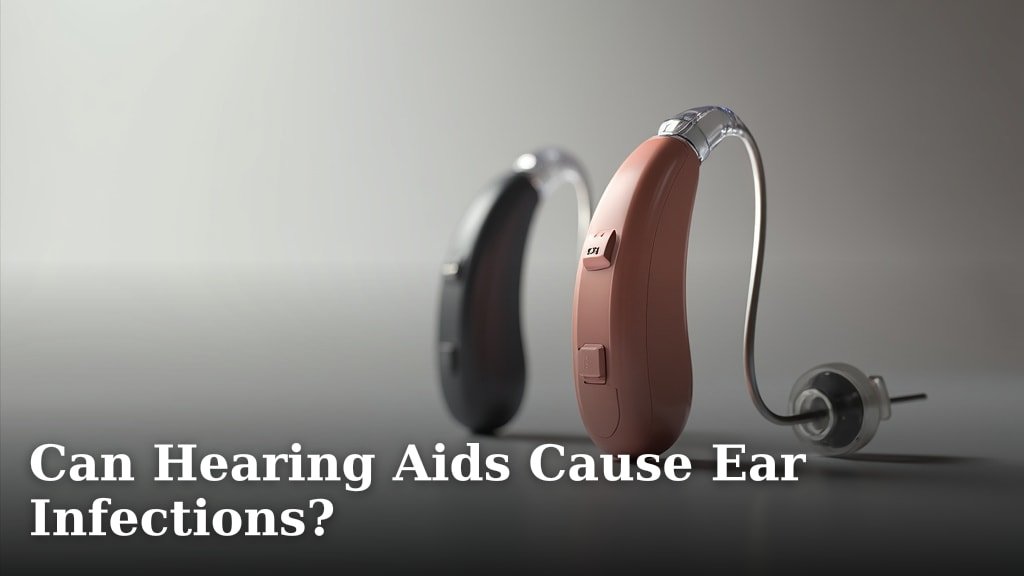
Treatment depends entirely on the cause. It can range from simple earwax removal to medical or surgical interventions. For example, earwax blockages can be managed with ear drops or professional cleaning. Ear infections may require antibiotics or simply observation. If fluid is present behind the eardrum, a doctor might recommend a small tube (tympanostomy tube) to help drain it. Surgical procedures can sometimes repair a perforated eardrum or address issues with the middle ear bones. In cases where treatment doesn’t fully restore hearing, hearing aids can be very effective. They amplify sound, helping it to reach the inner ear more easily.
Conclusion
You’ve learned that conductive hearing loss happens when sound struggles to travel to your inner ear, often due to issues in the outer or middle ear. Hearing difficulties can also affect social connection; see ways to stay connected. This can make sounds quieter and speech muffled. We’ve seen how common causes like earwax, infections, or middle ear problems can create these sound blockages. The good news is that many of these causes are treatable. If you suspect you or a loved one is experiencing these symptoms, don’t hesitate to reach out to a healthcare professional for diagnosis and to discuss your options.
Frequently Asked Questions
Can conductive hearing loss be completely cured?
Often, yes! Many causes of conductive hearing loss are temporary and treatable, such as earwax impaction or ear infections. Medical or surgical interventions can also correct problems like perforated eardrums or middle ear damage. However, if the underlying cause cannot be fully resolved, hearing aids can effectively manage the condition.
Is conductive hearing loss the same as age-related hearing loss?
No, they are different. Age-related hearing loss, called presbycusis, is typically sensorineural hearing loss, affecting the inner ear or nerve pathways. Conductive hearing loss specifically involves a problem in the outer or middle ear that blocks sound. While they can sometimes occur together, they have distinct causes and mechanisms.
How can I tell if my child has conductive hearing loss?
Children with conductive hearing loss might frequently ask “what?” or have trouble following instructions. They may seem inattentive or have delayed speech development. You might also notice them turning up the TV volume higher than usual. It’s important to consult a pediatrician or audiologist if you have concerns.
Can hearing aids help with conductive hearing loss?
Yes, hearing aids can be very beneficial. They work by increasing the loudness of sounds so they can bypass the blockage in the outer or middle ear and reach the inner ear more effectively. The specific type of hearing aid and settings will depend on the cause and degree of your conductive hearing loss.
What should I do if I suspect I have conductive hearing loss?
Your first step should be to visit a healthcare professional, such as your primary doctor or an audiologist. They can perform a hearing evaluation and conduct tests like otoscopy and tympanometry to determine if you have conductive hearing loss and identify its cause. This diagnosis is key to finding the right treatment for you.