What Is the Best Hearing Aid Dome Size for Small Ear Canals?
On this page (6 sections)
For small ear canals, the best hearing aid dome size is typically extra small or small, usually in an open or tulip style. These smaller domes are designed to fit comfortably and securely without causing pressure or feedback. Finding the right fit is key for both comfort and sound quality.
You want a dome that sits snugly but doesn’t feel tight or push against your ear canal. A good fit prevents the hearing aid from slipping out and helps deliver sound clearly. For another fit factor, see how hearing aid vent size affects comfort and sound. We found that a properly sized dome also reduces whistling, a common complaint with ill-fitting domes.
- Extra small or small domes are best for tiny ear canals.
- Open or tulip styles often work well for comfort and sound.
- A snug, not tight, fit is crucial for performance.
- The right dome prevents discomfort and feedback.
Let’s walk through how to choose the perfect dome size for your small ear canals, ensuring your hearing aids work their best.
Selecting the Right Hearing Aid Dome for Tiny Ear Canals
Choosing the correct hearing aid dome size is one of the most important steps for comfortable and effective hearing. For those with smaller ear canals, this often means looking at extra small or small dome options. A good fit ensures sound clarity and prevents common issues like whistling. If you’re new to hearing aids, our guide on the best hearing aid for beginners can offer additional insights.
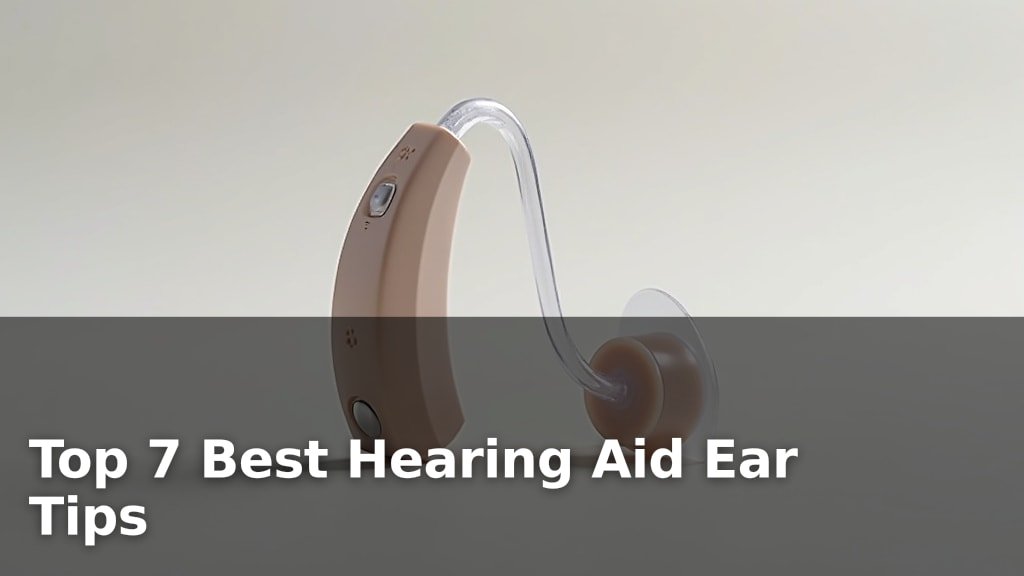
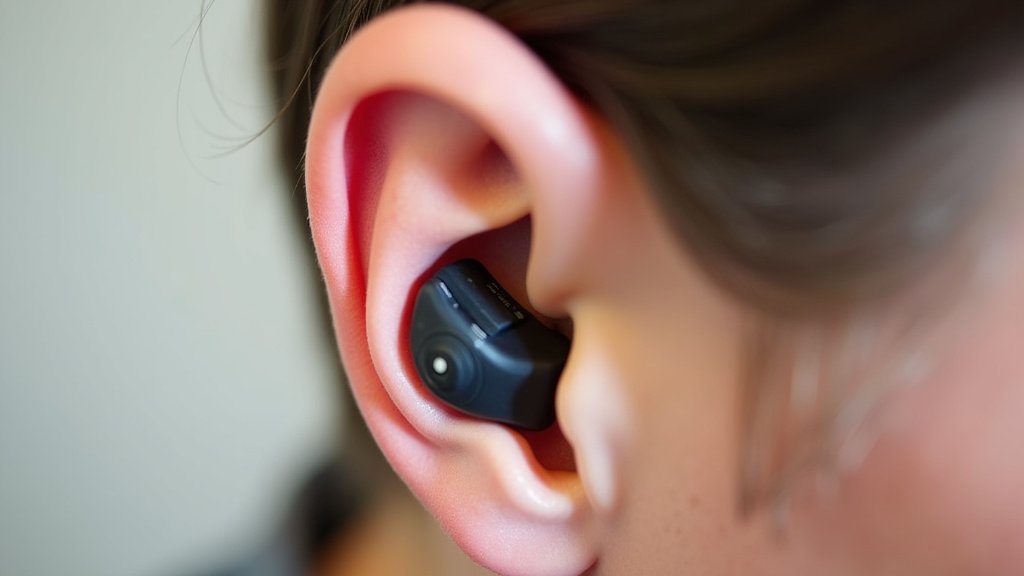
You might be wondering, “What exactly is a hearing aid dome?” Think of it as a tiny, soft tip that attaches to your hearing aid receiver. It sits inside your ear canal. These domes come in different shapes and sizes, much like earbuds. Their main job is to direct sound from your hearing aid into your ear. They also help keep the hearing aid securely in place.
Understanding Dome Types and Their Best Uses
Not all domes are created equal. Different types are designed for different hearing needs and ear canal shapes. For small ear canals, certain styles tend to work better. We’ll look at the most common types and why they matter for you.
Open Domes: A Breath of Fresh Air for Your Ears
Open domes are often recommended for mild to moderate hearing loss, especially when low-frequency hearing is still good. They have small vents or holes, allowing some natural sound to enter your ear canal. This helps your ear feel less “plugged up.” We found many people with small ear canals prefer open domes for their comfort. They provide a more natural sound experience and reduce the feeling of occlusion (your own voice sounding loud or hollow).
- They allow natural sounds to pass through.
- They reduce the feeling of a plugged ear.
- Good for mild to moderate hearing loss.
- Often a comfortable choice for small ear canals.
Tulip Domes: The Hybrid Option
Tulip domes, sometimes called comfort domes, are a bit of a hybrid. They have a petal-like design that offers a slightly more sealed fit than open domes but still allows some airflow. They are a good middle-ground if open domes don’t provide enough sound direction or if you experience a little feedback. For small ear canals, tulip domes can be a great option if you need a bit more sound amplification without feeling completely blocked. They offer a secure fit while maintaining some openness.
Closed Domes and Power Domes: When You Need More Sound
Closed domes have fewer or no vents. They create a more sealed fit in your ear canal. This design is better for more significant hearing loss because it traps sound more effectively. Power domes are similar but typically larger and designed for maximum sound amplification and to prevent feedback. While these offer great sound power, they can feel less comfortable and more occluding, especially in small ear canals. We generally find these less ideal for small canals unless your hearing loss absolutely requires them. They can sometimes create pressure or feel too tight.
| Dome Type | Best For | Ear Canal Size Suitability | Key Benefit |
|---|---|---|---|
| Open Dome | Mild-Moderate Hearing Loss | Good for Small Canals | Natural sound, less “plugged” feeling |
| Tulip Dome | Mild-Moderate Hearing Loss | Good for Small Canals | Slightly more secure than open, still open feel |
| Closed Dome | Moderate-Severe Hearing Loss | Can be challenging for Small Canals | Better sound seal, more amplification |
| Power Dome | Severe Hearing Loss | Often too big for Small Canals | Maximum amplification, feedback reduction |
Signs Your Hearing Aid Dome Might Be the Wrong Size
Your dome is your direct link to better hearing. If it’s not right, you’ll know. Recognizing the signs of an ill-fitting dome is important. It’s like wearing shoes that are too big or too small – uncomfortable and ineffective. Here are some common clues that your dome size might be off.
Discomfort or Pain: Your Ear’s Warning Signals
One of the most obvious signs is discomfort. If your dome is too big for your small ear canal, you might feel pressure, soreness, or even pain. It can feel like something is constantly pushing against the inside of your ear. This isn’t how it should be! On the other hand, if the dome is too small, it might rub or irritate your ear canal, leading to itching or general discomfort. Your hearing aid should feel comfortable enough to wear all day without thinking about it.
Whistling or Feedback: The Annoying Sound of a Poor Fit
Ah, the dreaded whistling! This is a very common complaint. If your hearing aid whistles, squeals, or produces feedback, it often means sound is leaking out of your ear canal and being picked up by the microphone. This happens when the dome doesn’t create a good enough seal. For small ear canals, a dome that’s too small might not seal properly. Conversely, one that’s too large might also create gaps if it’s not sitting correctly. A proper fit minimizes this irritating feedback.
Sound Quality Issues: Is Something Missing?
Poor sound quality can also point to a wrong-sized dome. If the dome is too open or too small, you might not get the full benefit of your hearing aid. Sounds might seem tinny, weak, or unclear. You might struggle to understand speech, even with the hearing aid on. A properly fitting dome ensures sound is directed efficiently and clearly into your ear canal, giving you the best possible listening experience.
Hearing Aid Slipping Out: A Constant Nuisance
Is your hearing aid constantly trying to escape your ear? Learn why a dome may slip and what can help it stay in place. If it feels loose or tends to slip out, especially when you move, talk, or chew, your dome might be too small. A dome that’s too small won’t provide enough grip to keep the hearing aid securely in place. It should feel stable and secure, even during normal activities. You shouldn’t have to keep pushing it back into your ear.
Finding Your Perfect Fit: What to Do Next
So, you suspect your dome might not be right. What’s your next step? It’s not about guessing or trying to force something. It’s about a careful, informed approach to get the best results for your unique ears.
Consult Your Audiologist or Hearing Care Professional
This is the most important step. Your audiologist is your best resource. They have specialized tools and expertise to properly assess your ear canal size and shape. They can also test different dome types and sizes right there in the office. We found that a professional fitting makes a huge difference. They can see what you can’t and feel what you might not notice as an issue until later. Don’t hesitate to schedule an appointment. They want you to hear your best!
Trying Different Sizes and Styles
Sometimes it takes a bit of trial and error. Your audiologist will likely have various sizes (extra small, small, medium, large) and styles (open, tulip, closed) on hand. Don’t be afraid to try a few different options. Pay attention to how each one feels. Is it comfortable? Does it stay in place? How does the sound quality seem? We often hear people say the “aha!” moment happens when they find that perfect fit.
Listen to Your Ears: Comfort is King
Ultimately, your ears will tell you what works. Comfort is paramount. If it doesn’t feel right, it probably isn’t. You should barely notice your hearing aid is there after a short adjustment period. Don’t settle for anything less. Good comfort leads to consistent use, and consistent use leads to better hearing outcomes (NIH). Remember, you’ll be wearing these for many hours a day.
Here’s a quick checklist for assessing your dome fit:
- Is the hearing aid comfortable all day?
- Does it stay securely in place when you move?
- Do you hear clear sound without whistling?
- Do you avoid that “plugged up” feeling?
- Is there no pain, itching, or irritation?
Conclusion
Choosing the right hearing aid dome for your small ear canals is a critical step toward comfortable, clear hearing. We’ve seen that extra small or small, open or tulip domes are often the best starting point. Paying attention to comfort, sound quality, and the absence of whistling are your best indicators of a good fit.
Don’t settle for discomfort or poor performance. Your hearing aids should work for you, not against you. Always remember that your audiologist is your best partner in this journey. Reach out to them to try different options and secure the perfect fit for your unique ears.
Frequently Asked Questions
Can I use any dome type with my hearing aid?
No, not all dome types are compatible with every hearing aid. Domes are usually brand-specific or designed for particular receiver-in-canal (RIC) models. Always check with your audiologist or the hearing aid manufacturer for compatible options.
How often should I replace my hearing aid domes?
It’s generally recommended to replace your hearing aid domes every 2-4 weeks, or sooner if they appear damaged, discolored, or stiff. Regular replacement helps maintain hygiene, sound quality, and a secure fit in your ear canal.
Will a larger dome always prevent feedback better than a smaller one?
Not necessarily. While a better seal can reduce feedback, a dome that’s too large for your ear canal can also create gaps if it doesn’t sit properly, or cause discomfort. The goal is a snug, comfortable fit that seals well without being overly tight.
Can earwax affect how my hearing aid dome fits?
Yes, earwax can definitely impact dome fit and performance. Excessive earwax can block the dome’s openings, reduce sound quality, and even push the dome out of place. Regularly cleaning your ears and domes is important.
What if I still experience discomfort even after trying different dome sizes?
If various dome sizes still cause discomfort, it’s essential to consult your audiologist again. There might be other factors, such as an ear infection, an allergic reaction to the dome material, or a need for custom ear molds, which offer a personalized fit.