Can You Get OTC Hearing Aids at a Pharmacy?
On this page (6 sections)
Yes, you can absolutely buy OTC hearing aids at a pharmacy now. Thanks to a new federal ruling, many common pharmacies and retail stores are offering these devices for mild to moderate hearing loss. You no longer need a prescription or an audiologist visit for these FDA-regulated devices.
This means getting help for your hearing is much easier and more affordable than before. You can simply walk into a store and purchase a device, similar to buying reading glasses. This change aims to make hearing care more accessible for millions of Americans. You can also read about hearing aid help from the Lions Club.
TL;DR:
- OTC hearing aids are available without a prescription.
- You can buy them at many pharmacies and retail stores.
- They are suitable for mild to moderate hearing loss.
- This new rule makes hearing aids more accessible and affordable.
Are you wondering which pharmacies carry them, or what to look for when you’re there? Let’s walk through everything you need to know about purchasing OTC hearing aids at your local pharmacy.
Where Can You Buy OTC Hearing Aids at the Pharmacy?
You can find OTC hearing aids in many popular pharmacies and big-box retailers across the United States. The selection is growing rapidly as more stores begin to carry these devices.
Think about your favorite local pharmacy or a large retailer you already frequent. Chances are, they might have them.
Major Retailers Stocking OTC Hearing Aids
Many household names have jumped on board. We found that several major chains now offer OTC hearing aids, making them very convenient to access.
- Walgreens: You’ll often find a dedicated section for hearing health products.
- CVS Pharmacy: They also carry a range of options, sometimes with in-store support.
- Walmart: Known for affordability, Walmart offers several brands both in-store and online.
- Best Buy: Surprisingly, Best Buy has become a significant player, offering a wide selection and tech support.
- Kroger: Many Kroger locations and their affiliated grocery stores now carry these devices.
- Rite Aid: Another pharmacy chain providing OTC hearing aid choices.
This list isn’t exhaustive, of course. As the market expands, you’ll likely see even more stores joining in. It’s always a good idea to check your local store’s website or call ahead to confirm availability.
What to Look for When Choosing a Pharmacy Location
Not all pharmacies offer the same experience. When you’re ready to buy, consider what kind of support you might want.
- Variety of Brands: Does the store offer a few choices, or just one? More options mean you can compare features and prices.
- Staff Assistance: Some stores have staff trained to help you with basic questions. This can be very helpful for your first purchase.
- Return Policy: What’s their return policy for electronics? Hearing aids are a significant purchase, so you want to know you can return them if they don’t work out.
- Location Convenience: Is it easy to get to? This matters for any follow-up visits or returns you might need.
Understanding OTC Hearing Aids: What Are They?
Over-the-counter (OTC) hearing aids are a new category of hearing devices. They are designed for adults with perceived mild to moderate hearing loss. These are different from prescription hearing aids.
Think of them like reading glasses. For more on getting hearing aids without a doctor, see our guide. You don’t need a doctor’s note for reading glasses, and now you don’t for these specific hearing aids either (FDA).
Who Are OTC Hearing Aids For?
These devices are ideal if you notice common signs of hearing loss. For example, maybe you often ask people to repeat themselves. Or you struggle to hear in noisy places like restaurants.
The key here is “perceived” mild to moderate loss. This means you feel like your hearing isn’t as sharp as it used to be. You don’t need a formal diagnosis from an audiologist to buy them.
If you have severe hearing loss, or you’re unsure about your level of hearing loss, it’s always best to see a hearing care professional.
Key Differences from Prescription Hearing Aids
It’s important to know that OTC hearing aids are not the same as the devices you’d get from an audiologist. They serve different purposes and offer different levels of support.
Here’s a quick comparison:
| Feature | OTC Hearing Aids | Prescription Hearing Aids |
|---|---|---|
| Availability | No prescription needed; sold in stores/online | Requires a prescription and fitting by an audiologist |
| Target User | Adults with perceived mild to moderate hearing loss | Adults and children with all levels of hearing loss |
| Customization | Limited self-adjustment through apps/controls | Professionally fitted and programmed for individual needs |
| Price Range | Generally $200 – $1,000+ per pair | Generally $1,000 – $6,000+ per pair |
| Professional Support | Minimal or self-service | Ongoing professional care, adjustments, and repairs |
As you can see, OTC devices offer a more accessible entry point. Prescription aids provide a higher level of personalized care and technological advancement. Both have their place in improving hearing health.
What to Consider Before Buying OTC Hearing Aids
Buying an OTC hearing aid at a pharmacy is straightforward. But before you make that purchase, there are a few important things to think about. This ensures you get the best experience and the right device for you.
Assessing Your Hearing Loss Level
The first step is to be realistic about your hearing. OTC hearing aids are for mild to moderate hearing loss. How do you know if that’s you?
- Do you often struggle to hear conversations in groups?
- Do you turn up the TV or radio louder than others prefer?
- Do you find yourself saying “What?” more frequently?
- Do you have trouble hearing on the phone?
If these sound familiar, an OTC device might be a good starting point. However, if you experience sudden hearing loss, pain, or dizziness, please see a doctor immediately (NIDCD).
Understanding Features and Technology
Just like any electronic device, OTC hearing aids come with various features. It’s smart to do a little research before you head to the store.
- Rechargeable Batteries: Many devices now offer rechargeable options, which are very convenient.
- Bluetooth Connectivity: Some models connect to your phone for calls, music, or app adjustments.
- Noise Reduction: This feature helps filter out background noise, making conversations clearer.
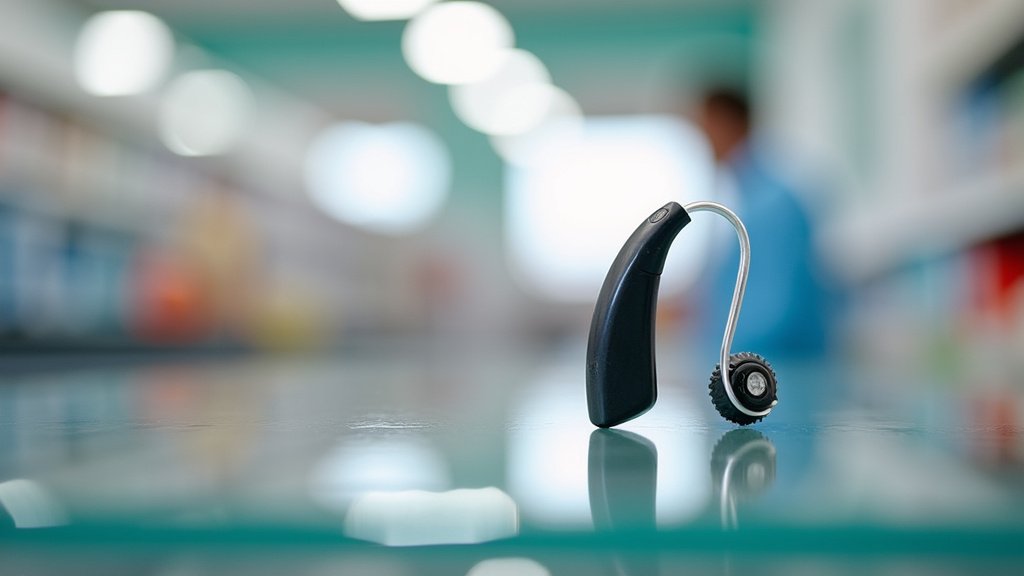
- Different Styles: You’ll find options that fit behind the ear (BTE) or in the ear (ITE).
- Companion Apps: Many come with smartphone apps that let you adjust settings yourself.
Think about your lifestyle. Do you want something discreet? Or is battery life more important to you? These choices will guide your decision.
The Importance of a Good Fit and Comfort
No matter how advanced a hearing aid is, if it’s not comfortable, you won’t wear it. This is a common concern we’ve found in our research.
When you try them on, pay attention to:
- Ear Tip Size: Most come with several ear tip sizes. Find the one that feels snug but not painful.
- Weight and Feel: Does it feel secure? Will it stay in place when you move around?
- Occlusion Effect: Sometimes, a hearing aid can make your own voice sound strange, like you’re talking in a barrel. This is called the occlusion effect. A good fit can minimize this.
Remember, your hearing aid should enhance your day, not annoy you. Take your time to get a good fit, even if it means trying a few different models.
Making the Purchase: Your Checklist
Ready to buy? Here’s a simple checklist to guide you through the process at the pharmacy. This will help you feel confident in your decision.
- Research Brands: Look up reviews and features of different OTC hearing aid brands online before you go.
- Check Store Stock: Call your local pharmacy or check their website to confirm they have options available.
- Understand Return Policy: Ask about the specific return policy for hearing aids. This is important!
- Consider Your Budget: OTC options range in price. Set a budget you’re comfortable with.
- Ask for Assistance: If staff are available, don’t hesitate to ask basic questions about the devices.
- Plan for Adjustment: Remember, it takes time to get used to wearing any hearing aid. Be patient with yourself.
By following these steps, you’ll be well on your way to a more confident and connected hearing experience. It’s exciting to have these options so readily available!
Conclusion
The availability of OTC hearing aids at your local pharmacy marks a truly positive change in hearing care. You no longer face the hurdles of prescriptions or high costs for mild to moderate hearing loss. We’ve seen that major retailers are stepping up, making these devices easily accessible for millions.
By understanding what OTC hearing aids offer and what to look for, you’re well-equipped to make an informed choice. Take the time to assess your needs and research options. Your journey to clearer hearing can now begin with a simple trip to your neighborhood pharmacy.
Frequently Asked Questions
Are OTC hearing aids covered by insurance?
Generally, most health insurance plans, including Medicare, do not cover OTC hearing aids. These devices are typically considered an out-of-pocket expense. Always check with your specific insurance provider for details on your plan.
How long do OTC hearing aid batteries last?
Battery life for OTC hearing aids varies greatly depending on the model and usage. Disposable hearing aid batteries usually last a few days to a week. Rechargeable models often provide a full day’s use on a single charge, requiring nightly charging.
Can I return OTC hearing aids if they don’t work for me?
OTC hearing aid return policies differ by retailer and brand. Most pharmacies and stores offer a return window, often 30-90 days, especially for electronics. It’s crucial to confirm the specific return policy before you make your purchase.
Do OTC hearing aids require an app to adjust settings?
Many modern OTC hearing aids do come with companion smartphone apps for personalized adjustments. These apps allow you to fine-tune volume, sound profiles, and other features. Some simpler models may only have on-device controls.
Are OTC hearing aids safe to use without seeing a doctor first?
Yes, the FDA has regulated OTC hearing aids for safe use by adults with perceived mild to moderate hearing loss without a medical exam. However, if you have sudden hearing loss, pain, or any other serious symptoms, you should consult a doctor. Our article addresses the question, Are OTC hearing aids safe, and what regulations are in place.