What Is a Hearing Aid Streaming Accessory Used For?
On this page (8 sections)
A hearing aid streaming accessory is used to wirelessly connect your hearing aids to various audio devices. This handy gadget lets you hear sound directly in your ears, making audio clearer and easier to understand. It bypasses background noise for a much better listening experience.
These accessories act like a bridge, sending audio from your phone, TV, or computer straight to your hearing aids. We found they can drastically improve your ability to hear conversations on calls and enjoy your favorite shows. It’s about bringing sound closer to you, reducing the effort needed to listen.
- Connects hearing aids to audio devices
- Improves sound clarity by reducing background noise
- Works with phones, TVs, and computers
- Enhances calls and TV watching
- Makes listening much easier
Let’s dive deeper into how these clever accessories work and why they might be a great addition to your hearing setup.
Understanding Hearing Aid Streaming Accessories
A hearing aid streaming accessory acts like a personal sound delivery system, sending audio straight to your hearing aids. It makes listening much easier and clearer.
You might wonder, “Why do I need another gadget?” We found that these accessories close the gap between your hearing aids and the devices you use every day. For related guidance, see Accessories Need Hearing Aids. They help you hear sounds from your TV, phone, or computer without missing a single word due to background noise.
How Wireless Streaming Works
At its heart, a streaming accessory uses wireless technology. For related guidance, see Bluetooth Hearing Aids Streaming Music. Most often, this is Bluetooth or a proprietary (brand-specific) wireless signal. It takes the audio signal from one device and sends it directly to your hearing aids.
Think of it as having tiny, invisible headphones that only you can hear. The sound goes straight into your ears, bypassing the need for your hearing aid microphones to pick up sound from the environment. This means less interference and better clarity, especially in noisy places.
Bluetooth vs. Proprietary Wireless
When you’re looking at streamers, you’ll see two main types of wireless connections. Bluetooth is a common standard you probably already use with your phone or wireless earbuds. Proprietary wireless, on the other hand, is a special connection designed by your hearing aid manufacturer. If you encounter any problems, our guide on how to fix hearing aid app and Bluetooth connection issues can provide helpful solutions.
Bluetooth is great because it works with many devices. However, proprietary systems are often built for ultra-low power use and better sound quality specifically with your hearing aids. We found that the choice often depends on what devices you want to connect to and what your hearing aid brand offers.
Key Benefits of Using a Streaming Accessory
Using a streaming accessory can truly change how you interact with your audio world. Many people find it makes their hearing aids even more useful in daily life.
The biggest benefit is often the reduction of listening effort. Instead of straining to hear the TV or a phone conversation, the sound is just… there. It feels natural and requires less brain power to understand.
Crystal-Clear Phone Calls
Hands-free phone calls become a breeze with a streaming accessory. We found that instead of holding your phone to your ear, the caller’s voice streams directly into both hearing aids. This creates a stereo listening experience that makes voices sound much clearer.
Imagine being able to walk around, do chores, or even drive while having a clear conversation. Many people tell us this is one of the most transformative uses of their streamer. It makes talking on the phone less frustrating and more enjoyable.
Enhanced Television Viewing
Watching TV can be a challenge with hearing loss. For related guidance, see Set Up Bluetooth Streaming Hearing. You might turn up the volume, which bothers others, or still miss dialogue. A TV streaming accessory solves this by sending the TV audio directly to your hearing aids.
You can set your own comfortable volume without affecting others in the room. We found that this also helps you hear dialogue over background music or sound effects, which can often be difficult. It’s like having a personalized sound system just for your favorite shows.
Better Music and Podcast Enjoyment
Do you enjoy music or podcasts? A streamer lets you listen to them with exceptional clarity. The audio from your phone or tablet goes straight to your hearing aids, providing a richer and more detailed sound experience.
This is especially true for music, where you can often hear nuances you might have missed before. We found that many users enjoy rediscovering their favorite songs with this direct streaming capability.
Who Can Benefit from a Streaming Accessory?
Almost anyone with compatible hearing aids can benefit from a streaming accessory. However, some situations make them particularly helpful.
If you often struggle to hear on the phone, watch a lot of TV, or participate in online meetings, a streamer could be a great tool for you. We often hear from people who say it restores their confidence in these common communication situations.
Checklist: Is a Streamer Right for You?
Consider these questions to see if a streaming accessory would enhance your daily life:
- Do you find phone conversations tiring or hard to follow?
- Do you struggle to understand dialogue on TV, even with hearing aids?
- Do you frequently use a computer for video calls or online content?
- Do you want to listen to music or podcasts directly through your hearing aids?
- Do you often find yourself in noisy environments where clarity is key?
Types of Hearing Aid Streaming Accessories
Streaming accessories come in a few different forms, each designed for specific uses. Understanding the options will help you choose the best fit for your needs.
The main types include TV streamers, phone streamers (often multi-purpose), and remote microphones. Each plays a slightly different role in getting sound to your hearing aids.
TV Streamers
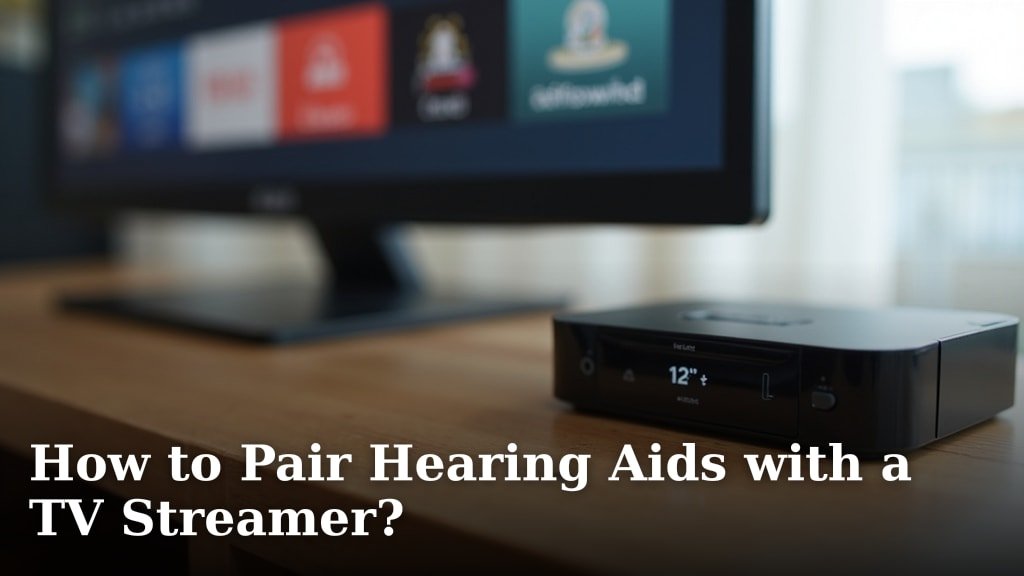
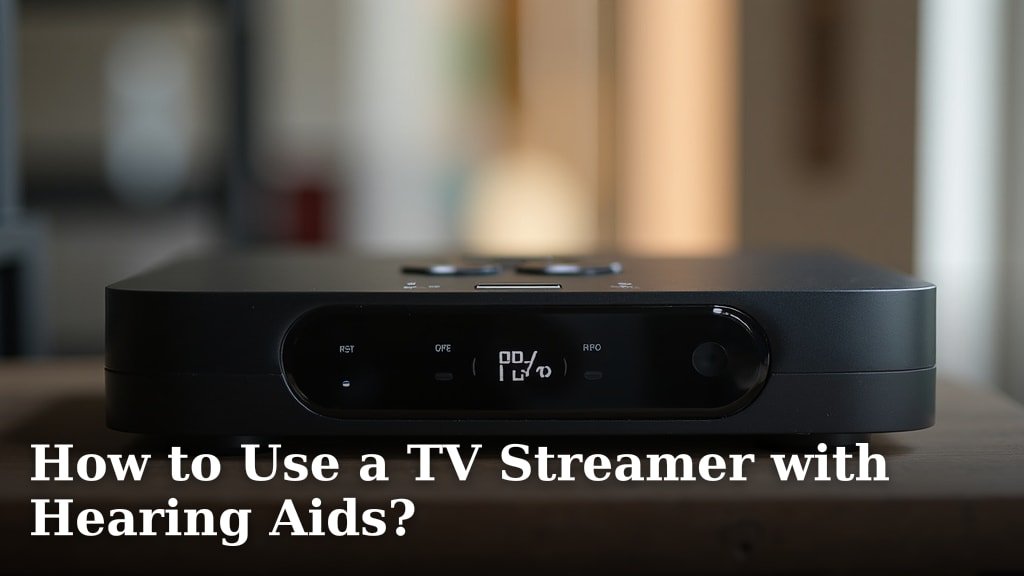
A TV streamer is a small device that connects to your television. It then sends the TV’s audio signal directly to your hearing aids. This means you hear the TV sound without any delay or echoes.
Many TV streamers use proprietary wireless signals for a stable, high-quality connection. They are designed for ease of use – usually just plug it in and pair it with your hearing aids. We found these are incredibly popular for improving family harmony during TV time.
Phone and Multi-Purpose Streamers
These accessories often connect to your phone via Bluetooth. They allow you to stream calls, music, and other audio from your smartphone directly to your hearing aids. Some are small clips you wear, while others are integrated into newer hearing aid models.
Many phone streamers also offer microphone capabilities. This means you can speak into the accessory, and your voice will be sent back to the phone. We found this creates a truly hands-free communication experience for phone calls and video chats.
Remote Microphones
Remote microphones are a special kind of streaming accessory designed to help you hear better in difficult listening situations, like noisy restaurants or lectures. You place the microphone near the person speaking, and their voice streams directly to your hearing aids (National Institute on Deafness and Other Communication Disorders).
This bypasses all the distracting background noise between you and the speaker. We found this accessory can be a game-changer for group conversations or understanding a speaker from across a room. It brings the sound of their voice right to you, cutting through the clutter.
Connecting and Using Your Streamer
Connecting a streamer to your hearing aids is usually a straightforward process. Most devices are designed for user-friendliness, so you won’t need to be a tech expert.
The exact steps will vary depending on your hearing aid brand and the specific streamer model. However, there are some common themes you can expect.
Pairing Your Devices
Typically, you’ll need to “pair” the streamer with your hearing aids. This is similar to pairing Bluetooth headphones. You’ll usually put both devices into a pairing mode, and they’ll find each other.
Your audiologist or hearing care professional can often help you with the initial setup. We found that a quick demonstration from them can make you feel much more comfortable using your new accessory right away.
Simple Controls
Once paired, using the streamer is often very simple. Many have a single button to start or stop streaming. You might also be able to control the volume directly from the streamer, your hearing aid app, or even your hearing aids themselves.
The goal is to make listening effortless. We found that the simplicity of these controls helps people of all tech skill levels enjoy the benefits of streaming.
Making the Decision: Is a Streamer Right for You?
Deciding if a hearing aid streaming accessory is a good investment involves thinking about your daily communication needs. It’s about enhancing your life and making listening easier.
We’ve seen countless people find renewed joy in watching TV, talking on the phone, and participating in conversations thanks to these accessories. They are designed to bring sound closer and make your hearing aids even more effective.
If you’re still wondering, “Will this really help me?” consider talking to your hearing care professional. They can guide you through the options compatible with your specific hearing aids and help you make an informed choice that will truly benefit you.
Conclusion
You’ve seen how a hearing aid streaming accessory can transform your listening experience. By sending audio directly to your hearing aids, these devices cut through background noise and make sound much clearer. We found they significantly improve phone calls, TV viewing, and enjoying your favorite music or podcasts.
Don’t let missed conversations or strained listening hold you back. If you’re ready to make your hearing aids even more effective, talk to your hearing care professional today. They can help you find the perfect streaming solution to bring sound closer to you.
Frequently Asked Questions
Can any hearing aid use a streaming accessory?
Not all hearing aids are compatible with streaming accessories. Typically, newer digital hearing aids have the necessary wireless technology. Always check with your audiologist or the manufacturer to confirm compatibility for your specific model.
Do streaming accessories require batteries or charging?
Yes, most streaming accessories are wireless and require power. Some might have rechargeable batteries, while others use disposable ones. The battery life can vary significantly depending on the device and how often you use it.
Will a streaming accessory interfere with other wireless devices?
Generally, modern streaming accessories are designed to minimize interference. They use specific frequencies or Bluetooth protocols that coexist well with Wi-Fi, cell phones, and other wireless gadgets. If you experience issues, your hearing care professional can help troubleshoot.
Can I use a streaming accessory in public places like theaters or lectures?
Yes, many public venues are now equipped with “loop systems” or offer assistive listening devices. Some streaming accessories can connect to these systems, sending the audio directly to your hearing aids for a much clearer experience in those environments.
Are streaming accessories difficult to set up and use?
Most streaming accessories are designed for user-friendliness. Initial pairing might require a simple setup process, often guided by your hearing care professional. Once paired, using them is usually as simple as pressing a button to start or stop streaming audio.