What Is an Induction Loop System?
On this page (6 sections)
An induction loop system is a specialized audio technology that helps people with hearing aids or cochlear implants hear clearer sound. It works by transmitting audio directly to your hearing device. This bypasses background noise and delivers a much clearer sound experience. Think of it as a personal sound bubble. You can enjoy conversations and announcements without struggling to hear.
These systems are often found in public places like theaters, lecture halls, and churches. They create a magnetic field that carries sound signals. Your hearing device then picks up this signal. This makes a big difference for many people. It ensures everyone can access auditory information easily. We found that many users report a significant improvement in their listening experience.
- An induction loop system sends sound directly to hearing aids.
- It uses a magnetic field to transmit audio signals.
- Background noise is greatly reduced.
- It’s common in public venues like theaters and churches.
- Improves clarity for people with hearing loss.
Ready to understand exactly how this helpful technology works and where you might encounter it? Let’s dive in and get you up to speed on induction loop systems.
How an Induction Loop System Works
An induction loop system is a clever audio tool. It helps people with hearing aids hear sound much better. Have you ever struggled to hear in a noisy place? This system aims to fix that. It sends a clean audio signal directly to your hearing device. This bypasses a lot of the annoying background noise.
Understanding the Magnetic Field
At its heart, an induction loop is about magnetic fields. A special wire is installed around a room or area. This wire is connected to a sound source. Think of a microphone or a sound system. When audio is played, it creates a fluctuating magnetic field. This field is the invisible highway for the sound.
The Role of the Telecoil (T-coil)
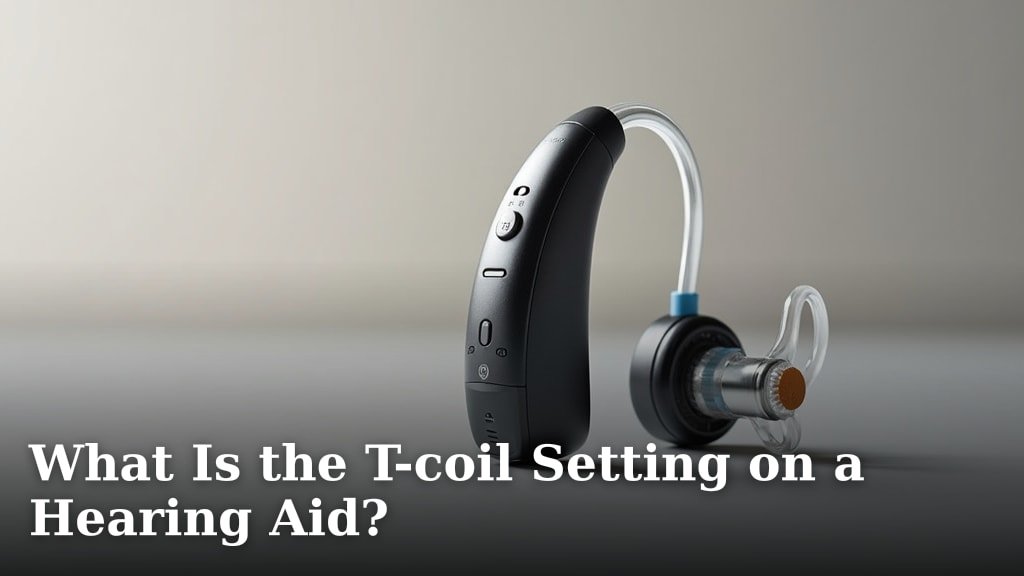
Your hearing aid likely has a small switch or setting. It’s often called the “T-coil” or “telecoil” setting. When you turn this on, your hearing aid becomes a receiver for the magnetic field. It’s like tuning into a special radio station. The telecoil inside your hearing aid detects the magnetic signals. It then converts these signals back into clear sound that you can hear.
The Journey of Sound: From Source to Ear
Let’s trace the path of sound. First, a microphone picks up the desired audio. This could be a speaker’s voice or music. The audio signal is then sent to an amplifier. This amplifier feeds the signal into the induction loop wire. As we mentioned, this wire creates a magnetic field. Your hearing aid, set to the telecoil mode, picks up this magnetic field. Finally, the sound is played directly into your ear. It’s a remarkably direct route.
Why Bypassing the Microphone Matters
Traditional hearing aids often use their built-in microphones. These are great for everyday sounds. But in public spaces, they pick up everything. This includes chatter, air conditioning hum, and shuffling feet. The induction loop system bypasses your hearing aid’s microphone entirely. It uses the telecoil instead. This means the sound you hear is the intended audio, not a mix of everything. We found that this makes a huge difference in clarity.
Where You Can Find Induction Loop Systems
These systems are not rare. You might have used one without even realizing it. They are designed for places where clear audio is important. The goal is always to make information accessible.
Common Public Venues
Many places that offer public gatherings use loop systems. You’ll often find them in:
- Theaters and concert halls: For plays, musicals, and performances.
- Lecture halls and auditoriums: So students can clearly hear professors.
- Churches and places of worship: For sermons and announcements.
- Community centers: For meetings and events.
- Airports and train stations: For important announcements.
- Banks and post offices: For clear communication at service counters.
- Doctor’s offices and hospitals: For better communication with staff.
Benefits in Specific Settings
Imagine trying to follow a sermon in a large church. The acoustics might be challenging. Or think about a busy airport. Announcements are critical but often lost in the noise. Loop systems solve these problems. They ensure that important audio information isn’t missed. We’ve seen research highlighting their effectiveness in reducing communication barriers (National Association of the Deaf).
Home and Personal Use
While most common in public, induction loop technology can also be used at home. Some modern home audio systems and televisions might have loop capabilities. This allows you to listen to TV or music directly through your hearing aids. It can make watching your favorite shows much more enjoyable. It means you don’t have to blast the volume.
Comparing Loop Systems to Other Assistive Listening Devices
You might wonder how loop systems stack up against other options. There are several types of assistive listening devices. Each has its own strengths and ideal uses.
FM Systems
FM systems use radio waves. A transmitter worn by the speaker sends a signal to a receiver. This receiver is worn by the listener, often with headphones or earpieces. They are very good at transmitting clear sound. However, they require both the speaker and the listener to wear specific devices. Interference can sometimes be an issue.
Infrared (IR) Systems
Infrared systems also transmit sound wirelessly. They use beams of infrared light. These are common in places like movie theaters. The listener wears headphones that pick up the IR signal. A big advantage is that they are not affected by other electronic devices. However, IR beams are line-of-sight. If you move out of the direct path, you can lose the signal. This is different from a loop system that covers an area.
Induction Loop vs. Others: A Quick Look
Here’s a simple comparison:
| Feature | Induction Loop | FM System | Infrared (IR) System |
|---|---|---|---|
| Transmission Method | Magnetic Field | Radio Waves | Infrared Light |
| Listener Device | Hearing Aid (T-coil) | Receiver + Headphones/Earpiece | Headphones/Earpiece |
| Signal Coverage | Area-wide (within loop) | Direct transmission (transmitter to receiver) | Line-of-sight (transmitter to receiver) |
| Interference Risk | Low (from other electronics) | Moderate (from other RF devices) | Very Low (immune to RF) |
| Setup Complexity | Can be complex for large areas | Moderate | Moderate |
Why Loops Are Often Preferred
Many hearing aid users prefer loop systems. This is because they work directly with their existing hearing aids. There’s no need for extra receivers or headphones. This makes them feel more discreet and convenient. They offer a more natural listening experience. Many accessibility advocates point to loop systems as a gold standard (Hearing Loss Association of America).
Making Sure You’re Getting the Best Experience
Sometimes, even with a loop system, you might have questions. Here’s what to consider for the best possible audio clarity.
Checking for Loop Availability
Look for the universal hearing loop symbol. It looks like an ear with a line through it. You’ll often see it on signs or venue websites. If you don’t see it, don’t hesitate to ask staff. Many places are happy to inform you. You can also check online directories for looped venues.
Activating Your Telecoil
This is the most common hurdle. If sound is still muffled or not coming through, check your hearing aid. Ensure your telecoil (T-coil) is activated and the hearing aid is switched to that program. If you’re unsure how to do this, ask your audiologist. They can guide you through the settings on your device. It’s usually a simple switch. We found that many users simply forget to switch it on.
Understanding Signal Strength
The strength of the magnetic field can vary. Older systems or poorly installed loops might have weaker signals. This can affect clarity. For the best experience, try to sit close to the sound source or in the center of the looped area. If you consistently have trouble in a looped venue, you can provide feedback.
What If the System Isn’t Working?
If you’ve activated your T-coil and are in a looped area but still have issues, it might be the system itself. Sometimes the loop might be damaged or switched off. Inform the venue staff. They can check the system or contact maintenance. Your feedback helps them improve accessibility for everyone.
A Quick Checklist for Success
Here’s a simple way to remember the key steps:
- Look for the hearing loop symbol.
- Ask staff if you’re unsure about availability.
- Ensure your hearing aid is switched to the T-coil program.
- If sound is weak, try moving closer to the sound source.
- Report any persistent issues to venue management.
- Consult your audiologist if you need help with your hearing aid settings.
Conclusion
You’ve learned how induction loop systems create a direct audio connection for hearing aid users. They use a magnetic field to send sound straight to your telecoil. This technology helps you hear clearly in noisy public places. It’s a discreet way to improve your listening experience. We’ve seen how they appear in theaters, churches, and airports. Don’t forget to check for the loop symbol. Your next step is to activate your hearing aid’s telecoil. Try it out the next time you’re in a public venue.
Frequently Asked Questions
How do I know if a place has an induction loop system?
Look for the universal hearing loop symbol. It’s often displayed on signs, near service desks, or on venue websites. If you can’t find it, don’t hesitate to ask venue staff if they offer an induction loop. They are usually happy to help.
What is the telecoil (T-coil) on my hearing aid?
The telecoil, or T-coil, is a small component inside your hearing aid. When activated, it acts as a receiver for the magnetic field generated by an induction loop system. This allows sound to be transmitted directly to your ear.
Can I use an induction loop system with headphones?
Induction loop systems are designed to work directly with hearing aids or cochlear implants equipped with a telecoil. They bypass the need for separate headphones or earpieces, making them a more integrated solution.
What if the sound from the loop system is still not clear?
Ensure your hearing aid is correctly switched to the telecoil program. You might also try moving slightly within the looped area to find a stronger signal. If problems persist, inform the venue staff so they can check the system.
Are induction loop systems the same as Bluetooth for hearing aids?
No, they are different technologies. Bluetooth connects wirelessly via radio waves, often directly to your phone or other devices. Induction loops use a magnetic field to transmit sound to the telecoil in your hearing aid, primarily designed for localized audio in public spaces.